PRODUCTS SOLD ON PEPTIDESLABEU.COM ARE FOR RESEARCH PURPOSES ONLY AND ARE NOT FOR HUMAN OR VETERINARY USE.
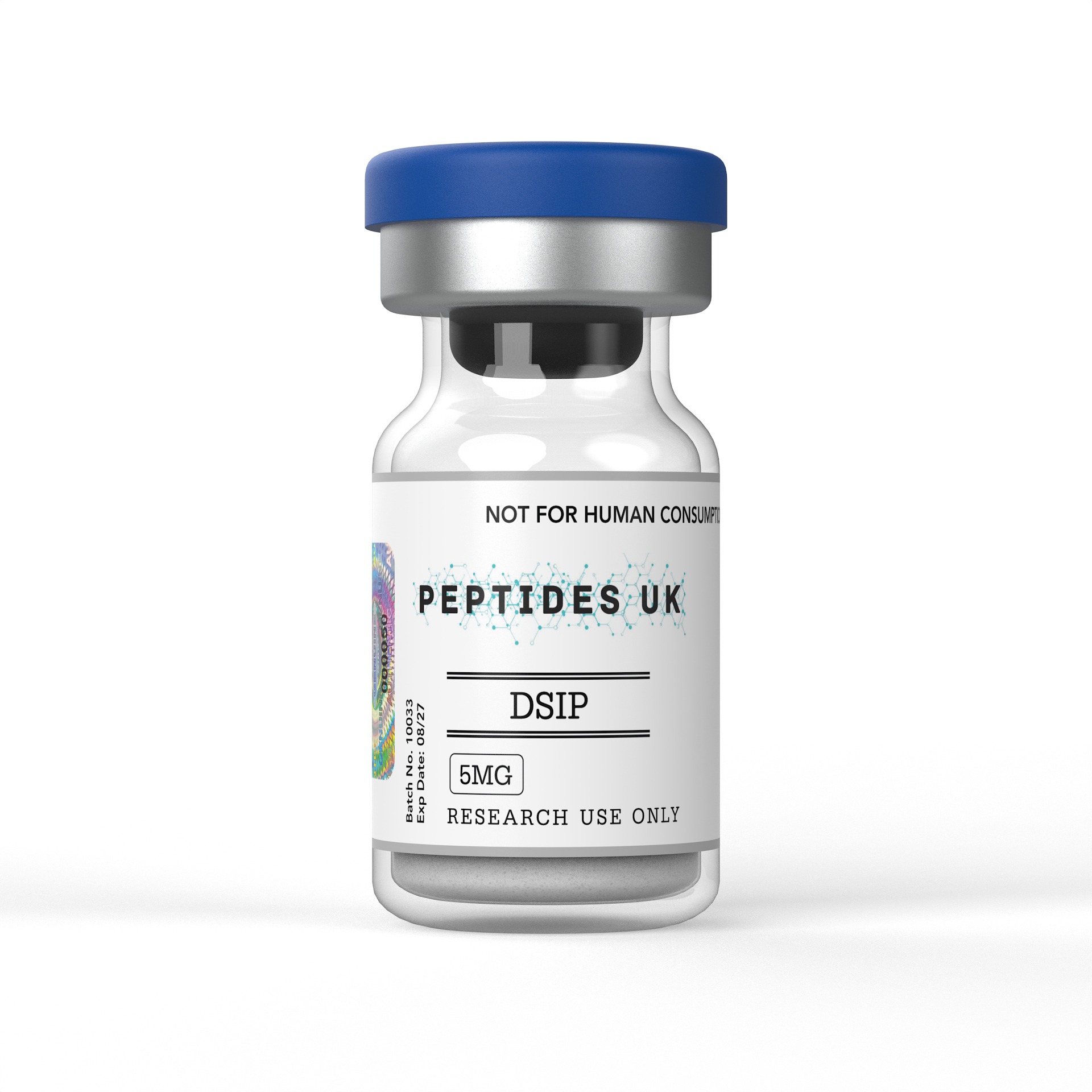
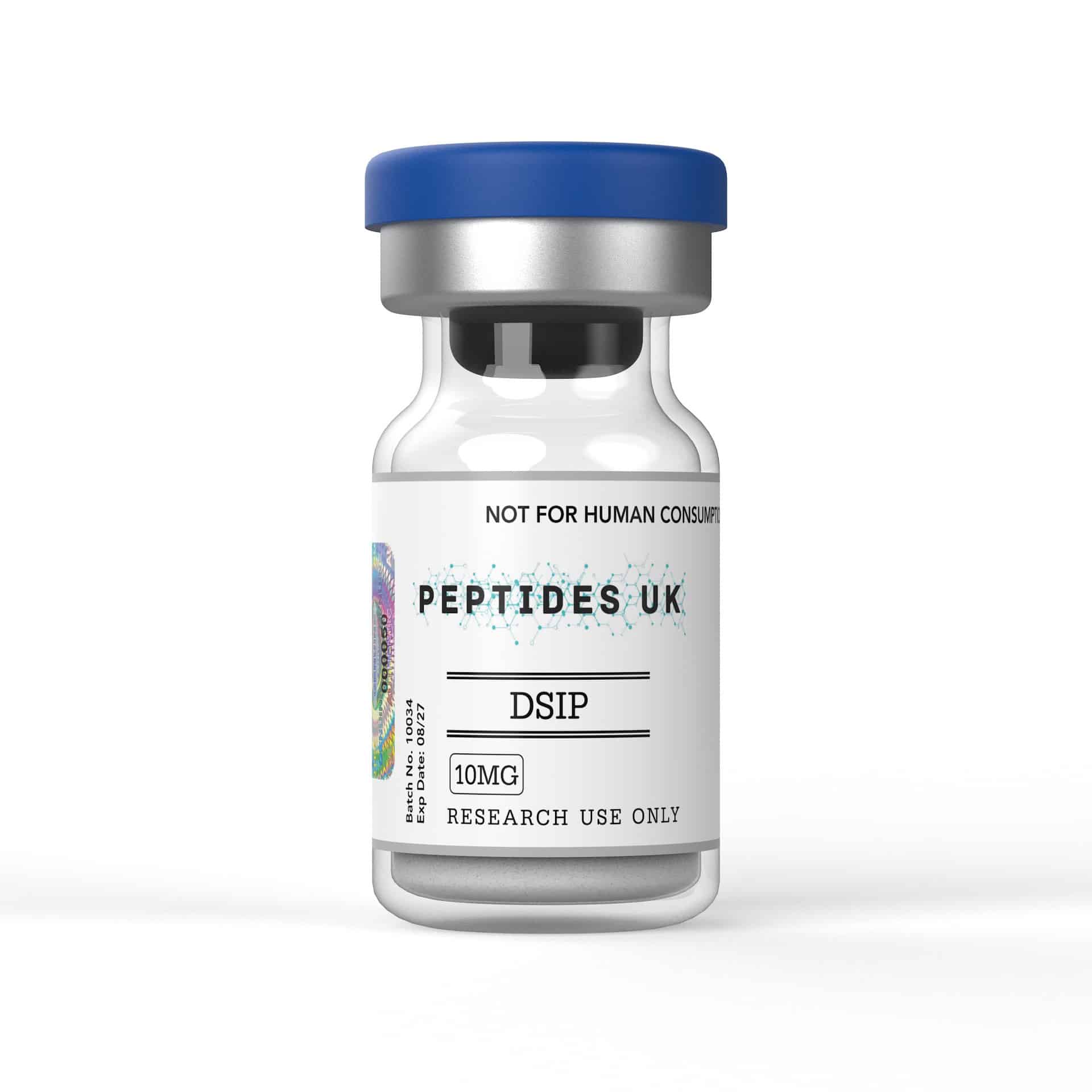
€27.00 – €46.00Price range: €27.00 through €46.00
DSIP EU – Buy Online | In Stock & Ready to Ship
Buy DSIP in Europe with fast shipping and guaranteed ≥99% purity — verified with COA and HPLC documentation. A trusted choice for peptides EU research teams rely on, with no customs delays or lengthy international wait times. Whether you’re searching for DSIP Europe suppliers, looking to buy DSIP in the EU, or sourcing peptides Europe-wide, we have you covered. Research teams across the EU can count on consistent stock, rapid fulfilment and full batch documentation every time.
For research use only. Not intended for human or veterinary use.

DSIP — Delta Sleep-Inducing Peptide — is a naturally occurring neuropeptide and one of the most extensively studied neuroendocrine and sleep biology research compounds available to laboratories across Europe, investigated across sleep regulation, HPA axis modulation, GH secretory biology, neuroprotection, antioxidant defence, and stress response research in a broad range of pre-clinical and neurobiological research models. Research institutions and laboratories across the EU can source verified, research-grade DSIP peptide in Europe with fast dispatch and full batch documentation included.
✅ ≥99% Purity — HPLC & Mass Spectrometry Verified
✅ Batch-Specific Certificate of Analysis (CoA) Included
✅ Sterile Lyophilised Powder | GMP Manufactured
✅ Fast Dispatch Across EU & Europe | EU Peptides Stock
DSIP — Delta Sleep-Inducing Peptide, sequence Trp-Ala-Gly-Gly-Asp-Ala-Ser-Gly-Glu — is a synthetic nonapeptide replicating the sequence of an endogenous neuropeptide first isolated from rabbit cerebral venous blood during slow-wave sleep by Monnier and colleagues in 1977. The peptide was identified through its ability to induce delta wave EEG activity — the slow-wave brain electrical signature characteristic of deep non-REM sleep — when infused into recipient rabbits, establishing it as the founding member of the humoral sleep factor research field and generating sustained research interest across European neuroscience and neuroendocrinology institutions.
DSIP is found endogenously in the hypothalamus, limbic system, pituitary gland, and peripheral tissues including pancreas and adrenal glands — with plasma DSIP-like immunoreactivity showing circadian variation that peaks during the sleep phase and declines during waking hours, consistent with a physiological role in sleep-wake cycle regulation. The peptide crosses the blood-brain barrier following peripheral administration — a pharmacologically significant characteristic that enables systemic administration to achieve central nervous system exposure, making it a practically useful research tool for studying neuroendocrine sleep biology without requiring intracerebroventricular delivery routes.
DSIP’s receptor biology remains incompletely characterised — unlike most neuropeptides with defined receptor targets, DSIP’s primary receptor has not been cloned or definitively identified, with proposed interactions spanning opioid receptors, GABA-B receptors, and voltage-gated ion channels. This unresolved receptor biology is itself an active area of EU neuroscience research — making DSIP a compound of significant mechanistic interest for laboratories investigating the molecular basis of humoral sleep factor signalling alongside its established neuroendocrine and neuroprotective biological applications.
In controlled laboratory and pre-clinical research settings across EU and European neuroscience and neuroendocrinology institutions, DSIP is studied across sleep biology, HPA axis regulation, GH secretory modulation, neuroprotection, antioxidant biology, stress response research, and opioid system interactions:
Sleep Biology and Delta Wave EEG Research — DSIP’s founding biological characterisation as a delta sleep-inducing factor makes sleep biology its primary and most historically studied research application across EU neuroscience institutions. Research has examined DSIP’s sleep-promoting biology — characterising delta wave EEG power increases following DSIP administration in rodent sleep architecture studies, slow-wave sleep duration and intensity changes, REM sleep modulation, and the circadian timing dependency of DSIP’s sleep-promoting effects. Studies have investigated DSIP’s sleep biology across sleep deprivation paradigms, stress-disrupted sleep models, and pharmacological sleep disruption recovery paradigms — characterising the conditions under which DSIP’s sleep-promoting effects are most pronounced and the relationship between endogenous DSIP-like immunoreactivity fluctuations and spontaneous sleep architecture. These sleep biology studies establish DSIP as the founding reference humoral sleep factor for studying the biology of endogenous sleep-promoting peptide signalling across EU sleep research programmes.
HPA Axis Modulation and Stress Response Research — DSIP modulates hypothalamic-pituitary-adrenal axis activity — with research characterising DSIP’s effects on corticotrophin releasing hormone release, ACTH secretion, and corticosterone production in rodent stress response paradigms. Research has examined DSIP’s HPA axis biology — characterising basal corticosterone suppression under DSIP administration, attenuation of stress-induced HPA axis hyperactivation, normalisation of elevated glucocorticoid levels in chronic stress models, and the relationship between DSIP-driven HPA axis modulation and its sleep-promoting effects. Studies have also examined DSIP in chronic stress biology paradigms — characterising the peptide’s capacity to attenuate stress-induced neuroendocrine dysregulation and restore HPA axis rhythmicity in chronically stressed rodent models. These HPA axis studies position DSIP as a research tool for studying the intersection of sleep-wake cycle regulation and stress axis biology in neuroendocrinology research across European institutions.
Growth Hormone Secretory Modulation Research — DSIP modulates GH secretion — with research characterising DSIP’s stimulatory effects on pituitary GH release and the relationship between DSIP-driven sleep promotion and the sleep-associated GH secretory surge that characterises physiological somatotropic axis activity. Research has examined DSIP’s GH secretory biology — characterising GH pulse amplitude changes following DSIP administration, the temporal relationship between DSIP-induced slow-wave sleep and GH secretory responses, and whether DSIP’s GH-modulating effects are mediated through direct pituitary action or indirectly through sleep architecture promotion and associated hypothalamic GHRH release enhancement. These GH secretory modulation studies establish DSIP as a research tool for studying the neuroendocrine interface between sleep biology and somatotropic axis regulation — a research area of significant interest to EU endocrinology and geroscience research programmes examining sleep-dependent GH biology.
Neuroprotection and Neural Biology Research — DSIP produces neuroprotective effects in pre-clinical neural injury models — with research characterising reduced neuronal death under oxidative and excitotoxic challenge, improved neurological outcomes in ischaemic brain injury paradigms, and neural repair-promoting biology in peripheral nerve injury models. Research has examined DSIP’s neuroprotective mechanisms — characterising antioxidant enzyme upregulation in neural tissue, reduction of oxidative stress markers following DSIP administration in brain injury models, anti-apoptotic biology in neuronal cell cultures under oxidative challenge, and the contribution of DSIP’s HPA axis-normalising effects to reduced glucocorticoid-mediated neurotoxicity in chronic stress neuroprotection paradigms. These neuroprotection studies have extended DSIP’s research significance beyond sleep biology into neural injury and neuroprotection research relevant to EU neuroscience institutions studying endogenous neuropeptide contributions to brain protection.
Antioxidant Biology and Oxidative Stress Research — DSIP has been characterised as producing antioxidant effects — upregulating antioxidant defence systems and reducing oxidative stress markers in tissue preparations and animal models. Research has examined DSIP’s antioxidant biology — characterising superoxide dismutase and catalase activity changes following DSIP treatment, reactive oxygen species reduction in oxidatively challenged tissue preparations, mitochondrial function preservation under oxidative stress, and the relationship between DSIP’s antioxidant biology and its neuroprotective and stress-attenuating effects. These antioxidant studies have contributed to understanding DSIP as a multifunctional neuropeptide with biological activity extending beyond sleep promotion into cellular protection relevant to ageing and oxidative stress biology research programmes across European institutions.
Opioid System Interaction Research — DSIP has been proposed to interact with opioid receptor systems — with research examining DSIP’s relationship to endogenous opioid peptide biology, the opioid receptor pharmacology contribution to DSIP’s sleep-promoting effects, and DSIP’s effects in opioid-related biological paradigms including tolerance, withdrawal, and pain modulation. Research has characterised DSIP in opioid dependency and withdrawal models — examining attenuation of withdrawal symptoms in opioid-dependent rodent models, the interaction between DSIP’s HPA axis-normalising effects and opioid system stress biology, and the mechanistic relationship between proposed opioid receptor interactions and DSIP’s sleep and neuroendocrine biological profile. These opioid system studies contribute to characterisation of DSIP’s incompletely defined receptor biology and the molecular basis of its pleiotropic neuroendocrine effects.
Circadian Biology and Sleep-Wake Cycle Regulation Research — DSIP’s endogenous circadian variation in plasma DSIP-like immunoreactivity — with concentrations peaking during the sleep phase — positions it as a research tool for studying humoral contributions to circadian sleep-wake cycle regulation. Research has examined DSIP’s circadian biology — characterising the relationship between endogenous DSIP concentration fluctuations and sleep architecture transitions, the circadian timing dependency of exogenous DSIP’s sleep-promoting effects, and DSIP’s biology in circadian disruption models including jet lag, shift work simulation, and light cycle manipulation paradigms. These circadian biology studies establish DSIP as a research compound for studying endogenous peptide contributions to circadian sleep-wake cycle regulation — an area of active research interest across EU chronobiology and sleep medicine research institutions.
Anticonvulsant Biology Research — DSIP has been characterised as producing anticonvulsant effects in pre-clinical seizure models — with research documenting seizure threshold elevation, seizure duration reduction, and protection against chemically and electrically induced convulsions in rodent epilepsy paradigms. Research has examined the mechanistic basis of DSIP’s anticonvulsant biology — characterising proposed GABA-B receptor interaction contributions, the relationship between DSIP’s HPA axis-normalising and stress-attenuating effects and seizure threshold modulation, and the anticonvulsant biology in the context of DSIP’s broader neuromodulatory receptor interaction profile. These anticonvulsant studies contribute to understanding of DSIP’s neural biology beyond sleep promotion and establish a neurological research application relevant to EU epilepsy and neurological disorder research programmes.
Research conducted across European and international neuroscience institutions has produced a characterised and growing pre-clinical profile for DSIP across its multiple biological domains:
Sleep biology research has documented DSIP’s delta wave EEG-promoting effects across multiple pre-clinical species and sleep paradigms — with studies consistently characterising slow-wave sleep enhancement, delta wave power increases, and sleep architecture modulation following DSIP administration. The founding Monnier et al. 1977 isolation and characterisation remains the reference point for DSIP sleep biology, with subsequent research expanding the sleep-promoting biology characterisation across species, administration routes, and experimental sleep disruption paradigms.
HPA axis modulation research has documented DSIP’s stress-attenuating neuroendocrine biology — characterising corticosterone suppression, stress-induced HPA hyperactivation attenuation, and HPA axis rhythmicity restoration in chronic stress models. These findings have established DSIP as a neuropeptide with stress-regulatory biology extending beyond sleep promotion into the broader neuroendocrine stress response system.
GH secretory modulation research has characterised DSIP’s stimulatory effects on pituitary GH release — documenting GH pulse amplitude changes and the temporal relationship between DSIP-driven slow-wave sleep promotion and sleep-associated GH secretory responses, establishing the neuroendocrine interface between DSIP’s sleep biology and somatotropic axis regulation.
Neuroprotection research has documented DSIP’s neural protective effects in oxidative stress and ischaemic injury models — characterising antioxidant enzyme upregulation, reduced neuronal death under excitotoxic challenge, and improved functional outcomes in brain injury paradigms. These neuroprotection findings have broadened DSIP’s research significance from its founding sleep biology application into neural injury protection relevant to EU neuroprotection research.
Anticonvulsant biology research has documented seizure threshold elevation and convulsion protection in rodent epilepsy models — contributing to characterisation of DSIP’s broader neuromodulatory biology and establishing a neurological research application beyond sleep promotion.
Receptor biology research remains an active area — with studies examining opioid receptor, GABA-B receptor, and ion channel interaction candidates contributing to the ongoing effort to definitively characterise DSIP’s primary receptor target, one of the most significant unresolved questions in EU neuropeptide pharmacology research.
| Feature | DSIP | Epitalon | Selank | Semax | BPC-157 |
|---|---|---|---|---|---|
| Type | Endogenous nonapeptide — humoral sleep factor | Synthetic tetrapeptide — pineal gland epithalamin fragment | Synthetic heptapeptide — tuftsin analogue — anxiolytic | Synthetic heptapeptide — ACTH(4-7)PGP analogue — nootropic | Synthetic pentadecapeptide — gastric protein derived |
| Primary Mechanism | Delta wave EEG promotion + HPA modulation + GH secretory modulation — receptor uncloned | Telomerase activation + antioxidant + immune modulation + pineal regulation | Anxiolytic + nootropic — serotonin + dopamine modulation | Nootropic + neuroprotective — BDNF upregulation + NGF | Multi-pathway tissue repair — NO system + VEGF + growth factor |
| Sleep Biology | Yes — primary application — founding humoral sleep factor | Indirect — circadian via pineal | Limited direct | Limited | Limited |
| HPA Axis Modulation | Yes — corticosterone suppression + stress attenuation | Moderate — via pineal-HPA axis | Yes — anxiolytic HPA modulation | Moderate | Limited |
| GH Secretory Modulation | Yes — stimulatory | Indirect — via GH axis restoration | Limited | Limited | Limited |
| Neuroprotection | Yes — antioxidant + anti-excitotoxic | Yes — antioxidant + anti-ageing | Yes — BDNF upregulation | Yes — primary application | Yes — dopaminergic system |
| Antioxidant Biology | Yes — enzyme upregulation | Yes — primary application | Moderate | Moderate | Limited |
| Receptor Characterisation | Uncloned — active research area | Telomerase + antioxidant pathways | Proposed opioid + serotonin | BDNF/NGF pathway | Incompletely characterised |
| BBB Penetrant | Yes — peripheral administration achieves CNS exposure | Limited data | Yes | Yes | Limited |
| Circadian Biology | Yes — endogenous circadian variation | Yes — pineal circadian regulation | Limited | Limited | No |
| Key Research Distinction | Founding reference humoral sleep factor — unresolved receptor biology — pleiotropic HPA + GH + neuroprotective neuroendocrine research tool | Telomerase and anti-ageing biology reference — pineal peptide | Anxiolytic and nootropic reference — tuftsin-derived CNS peptide | Nootropic and neuroprotective reference — ACTH-derived | Broadest pre-clinical tissue repair profile — GI + musculoskeletal |
| Parameter | Specification |
|---|---|
| Full Name | DSIP / Delta Sleep-Inducing Peptide |
| Also Known As | Delta Sleep Peptide / Deltaran |
| Sequence | Trp-Ala-Gly-Gly-Asp-Ala-Ser-Gly-Glu |
| Type | Synthetic Endogenous Nonapeptide — Humoral Sleep Factor — Neuroendocrine Research Compound — Research Grade |
| Molecular Weight | 848.8 Da |
| Endogenous Status | Yes — hypothalamus, limbic system, pituitary, pancreas, adrenal glands — circadian plasma variation peaking during sleep phase |
| BBB Penetration | Yes — peripheral administration achieves CNS exposure |
| Receptor Status | Uncloned — proposed opioid receptor, GABA-B, voltage-gated ion channel interactions — active EU research area |
| Mechanism | Delta wave EEG promotion + HPA axis normalisation + GH secretory modulation + antioxidant neuroprotection + anticonvulsant biology + opioid system interaction — receptor biology incompletely characterised |
| Key Research Distinction | Founding reference humoral sleep factor — unresolved receptor biology — pleiotropic neuroendocrine and neuroprotective research tool — BBB penetrant enabling peripheral administration for CNS research |
| Primary Research Areas | Sleep biology / delta wave EEG / HPA axis modulation / stress response / GH secretory modulation / neuroprotection / antioxidant biology / opioid system / circadian biology / anticonvulsant biology |
| Purity | ≥99% HPLC & MS Verified |
| Form | Sterile Lyophilised Powder |
| Solubility | Sterile water or PBS pH 7.4 — good aqueous solubility |
| Trp1 Photosensitivity | Yes — protect from light throughout — oxidation of Trp1 to kynurenine produces inactive degradation product — amber tubes essential |
| Storage (Powder) | -20°C, protect from light — amber or foil-wrapped storage |
| Storage (Reconstituted) | -80°C single-use aliquots — protect from light — minimise freeze-thaw cycles |
| Available Sizes | 5mg, 10mg, 20mg |
| Dispatch | Fast EU & Europe dispatch |
| Intended Use | Research use only |
Every order of DSIP dispatched across the EU and Europe includes:
✅ Batch-Specific Certificate of Analysis (CoA)
✅ HPLC Chromatogram
✅ Mass Spectrometry Confirmation — including Trp1 oxidation status verification
✅ Sterility & Endotoxin Testing Report
✅ Reconstitution Protocol — including Trp1 light protection requirements and amber tube handling guidance
✅ Technical Research Support
Yes — research-grade DSIP is available to researchers and institutions across the EU and Europe with fast dispatch and full batch documentation included. Supplied strictly for laboratory research purposes only.
DSIP is a naturally occurring nine amino acid neuropeptide first isolated from rabbit cerebral venous blood during slow-wave sleep in 1977. It is found endogenously in the hypothalamus, limbic system, pituitary gland, and peripheral tissues, with plasma concentrations showing circadian variation that peaks during the sleep phase. It was identified by its ability to induce delta wave EEG activity — the brain electrical signature of deep slow-wave sleep — establishing it as the founding humoral sleep factor in the neuropeptide research literature.
DSIP occupies a unique position in the EU neuropeptide research library as the founding characterised humoral sleep factor with an uncloned primary receptor — combining well-documented biological activity across sleep promotion, HPA axis modulation, GH secretory stimulation, neuroprotection, and anticonvulsant biology with an incompletely understood molecular mechanism. This combination of broad biological characterisation and unresolved receptor identity makes it both a practically useful neuroendocrine research tool and an active subject of fundamental receptor pharmacology research across European neuroscience institutions.
Tryptophan residues are highly photosensitive — exposure to light causes Trp1 oxidation to kynurenine and related degradation products that are biologically inactive and would confound DSIP dose-response data if present as contaminants in research solutions. Protecting DSIP from light at every stage — from lyophilised powder storage through reconstitution and research application — using amber vials or foil wrapping is an essential handling requirement. Trp1 oxidation status should be verified by mass spectrometry in any reconstituted DSIP stock that has had extended storage or uncertain light exposure history.
DSIP’s ability to cross the blood-brain barrier following peripheral administration is a practical research advantage — enabling systemic subcutaneous or intraperitoneal administration to achieve central nervous system exposure without requiring intracerebroventricular delivery. This means in vivo DSIP sleep and neuroendocrine research in rodent models can use peripheral administration routes that are more practical and less surgically invasive than direct CNS delivery, though researchers should account for the fraction of peripherally administered DSIP that achieves CNS penetration versus peripheral biological effects when interpreting results.
Vehicle controls in matched buffer with equivalent light exposure history, scrambled DSIP sequence peptide controls confirming sequence-specificity of biological effects, Trp1-oxidised DSIP as a degradation control confirming that Trp1 integrity is required for biological activity, and receptor antagonist controls for the specific receptor systems under investigation — opioid antagonists for opioid system interaction studies, GABA-B antagonists for anticonvulsant studies. For sleep biology studies, EEG recording with polysomnography-equivalent sleep architecture analysis is essential for characterising delta wave power changes specifically versus broader sedation effects.
≥99% purity by HPLC and mass spectrometry is essential — Trp1 oxidation products producing kynurenine-containing fragments, sequence truncation variants, and epimerisation products would show substantially altered or absent biological activity and confound neuroendocrine and sleep biology dose-response characterisation. Trp1 oxidation status verification is a critical specification beyond standard sequence purity. All DSIP supplied for European research is verified to ≥99% purity with Trp1 oxidation status confirmed by mass spectrometry.
DSIP is supplied exclusively for legitimate scientific research purposes conducted within licensed laboratory environments across the EU and Europe. This product is not intended for human consumption, self-administration, or any therapeutic application. It must be handled by qualified researchers in compliance with applicable EU regulations and institutional ethics guidelines. By purchasing, you confirm that this compound will be used solely for approved in vitro or pre-clinical research purposes.

Receive News
