PRODUCTS SOLD ON PEPTIDESLABEU.COM ARE FOR RESEARCH PURPOSES ONLY AND ARE NOT FOR HUMAN OR VETERINARY USE.
€68.00
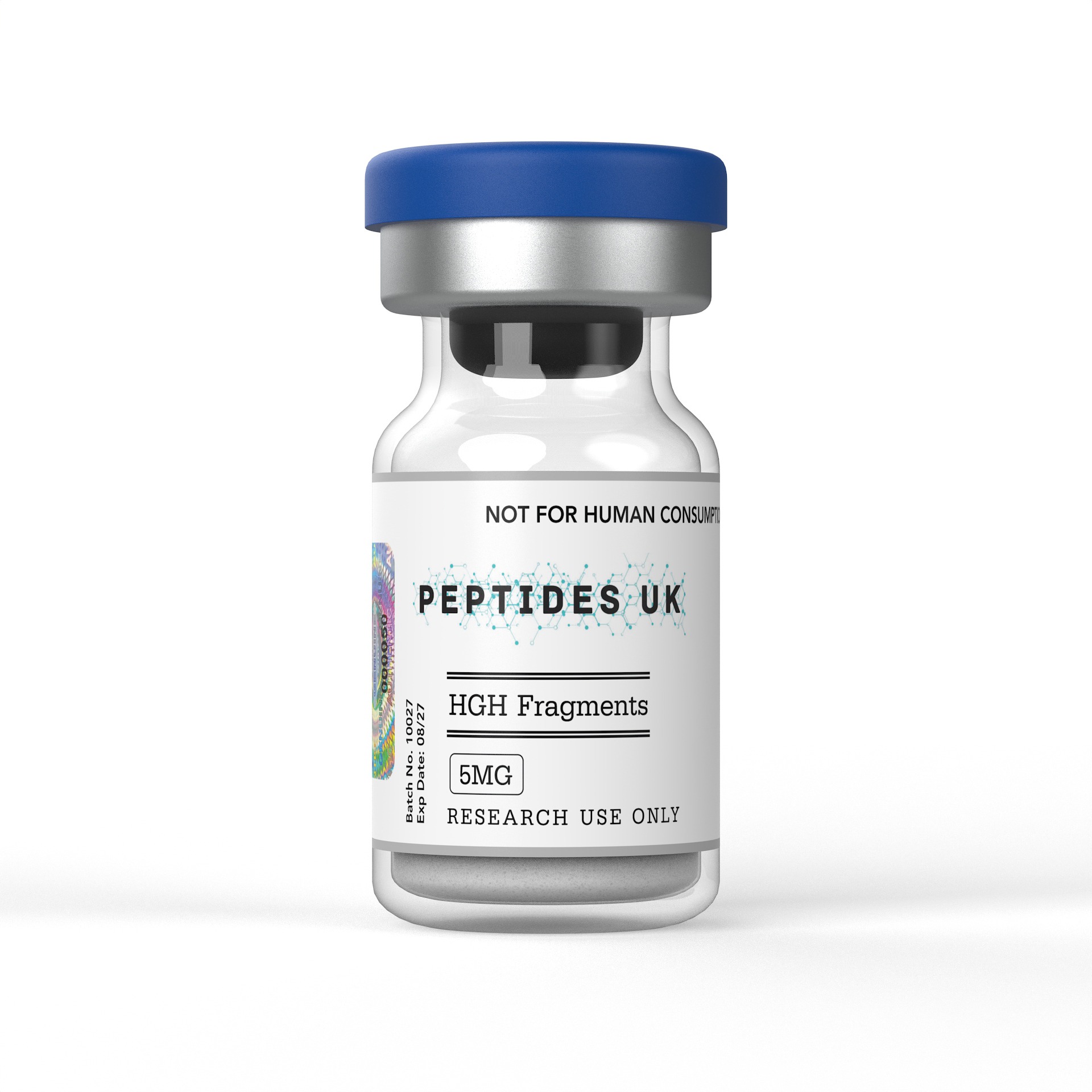
HGH Fragment EU – Buy Online | In Stock & Ready to Ship
Buy HGH Fragment in Europe with fast shipping and guaranteed ≥99% purity — verified with COA and HPLC documentation. A trusted choice for peptides EU research teams rely on, with no customs delays or lengthy international wait times. Whether you’re searching for HGH Fragment Europe suppliers, looking to buy HGH Fragment in the EU, or sourcing peptides Europe-wide, we have you covered. Research teams across the EU can count on consistent stock, rapid fulfilment and full batch documentation every time.
For research use only. Not intended for human or veterinary use.

HGH Fragment 176-191 is a synthetic peptide corresponding to the C-terminal region of human growth hormone, available to buy in Europe for laboratory research into lipolysis regulation, fat metabolism biology, adipocyte signalling, and growth hormone receptor pharmacology.
Laboratories and research institutions across the EU can order verified, research-grade HGH Fragment 176-191 with fast international dispatch to Europe, full batch documentation, and ≥99% purity confirmed by HPLC and Mass Spectrometry.
✅ ≥99% Purity — HPLC & Mass Spectrometry Verified
✅ Batch-Specific Certificate of Analysis (CoA)
✅ Sterile Lyophilised Powder | GMP Manufactured
✅ Fast Dispatch to EU & Europe | Tracked Shipping
HGH Fragment 176-191 is a synthetic peptide comprising amino acids 176 to 191 of the 191 amino acid human growth hormone (hGH) sequence — specifically the C-terminal tail region of the hGH molecule. This fragment was identified through systematic truncation studies of the growth hormone sequence aimed at isolating the region responsible for hGH’s lipolytic activity — the ability to stimulate fat breakdown in adipose tissue — from its growth-promoting and insulin-like metabolic effects.
Research established that the C-terminal fragment of hGH retains the lipolytic signalling properties of full-length growth hormone while lacking the IGF-1-stimulating, diabetogenic, and growth-promoting activities associated with the complete hGH molecule. This functional dissociation makes HGH Fragment 176-191 a targeted research tool for studying the mechanisms of growth hormone-induced lipolysis and adipocyte biology independently of the broader metabolic and anabolic effects that complicate interpretation when using full-length hGH in research protocols.
The fragment interacts with adipose tissue through a mechanism distinct from the classical GH receptor pathway used by full-length hGH, engaging what research has characterised as a fragment-specific receptor interaction at the adipocyte surface that activates lipolytic signalling cascades including hormone-sensitive lipase activation and inhibition of lipogenesis. Its focused pharmacological profile has made it a consistent subject of interest in European metabolic research and adipose tissue biology.
In laboratory settings, HGH Fragment 176-191 is studied primarily for its lipolytic activity and adipocyte signalling effects, with research extending into the molecular mechanisms of growth hormone-regulated fat metabolism. EU and European researchers working with HGH Fragment 176-191 typically focus on:
All research applications are for in vitro and pre-clinical use only.
HGH Fragment 176-191 has a focused but well-established research literature centred on adipose tissue biology, growth hormone structure-activity relationships, and metabolic pharmacology.
Lipolytic activity characterisation: The foundational research establishing HGH Fragment 176-191’s biological profile involved systematic C-terminal truncation studies of growth hormone demonstrating that the 176-191 region retains the lipolytic activity of intact hGH. Studies in adipocyte cell models and pre-clinical animal models have characterised the fragment’s ability to stimulate hormone-sensitive lipase activation and increase free fatty acid release from adipose tissue at doses comparable to full-length hGH for this specific activity.
Dissociation from growth-promoting effects: A central finding in the HGH Fragment 176-191 literature is the functional dissociation between lipolytic and growth-promoting activities of hGH. Studies have confirmed that the 176-191 fragment lacks meaningful IGF-1 stimulating activity, does not promote linear growth in pre-clinical models, and does not produce the insulin resistance associated with full-length GH administration — establishing it as a selective tool for studying the lipolytic arm of GH biology.
Obesity model research: Pre-clinical studies using HGH Fragment 176-191 in dietary and genetic obesity models have documented effects on adipose mass reduction and body composition parameters over sustained administration periods. These findings have characterised the fragment’s metabolic activity profile in intact biological systems and provided mechanistic context for how the C-terminal GH region contributes to fat regulation independently of anabolic GH effects.
Lipogenesis inhibition: Studies have characterised HGH Fragment 176-191’s inhibitory effects on fatty acid synthesis in adipocytes — a complementary mechanism to its lipolytic activity that collectively positions the fragment as a bidirectional regulator of adipocyte lipid flux in the research literature.
Receptor interaction studies: Research examining how HGH Fragment 176-191 engages adipocyte signalling has characterised its interaction as distinct from the classical two-site growth hormone receptor binding mechanism used by full-length hGH — contributing to understanding of how different regions of the hGH molecule engage different receptor interactions and downstream signalling cascades in adipose tissue.
Safety and selectivity profile: Studies have characterised HGH Fragment 176-191’s lack of activity at insulin receptors and its minimal effects on IGF-1 axis signalling compared to full-length hGH — a selectivity profile that has made it a preferred research tool for isolating fat metabolism effects from the broader, more complex metabolic activities of whole growth hormone.
| Compound | Type | Primary Mechanism | IGF-1 Stimulation | Key Research Focus |
|---|---|---|---|---|
| HGH Fragment 176-191 | hGH C-terminal fragment | Adipocyte lipolysis, lipogenesis inhibition | Minimal | Selective fat metabolism, adipose biology |
| Full-length hGH | Endogenous 191aa hormone | GHR activation — full biological profile | High | Reference GH biology, anabolic and metabolic effects |
| AOD-9604 | Modified HGH Frag variant | Lipolysis, adipose signalling | Minimal | Enhanced stability variant, metabolic research |
| GHRP-2 | Hexapeptide GHS | GHS-R1a — pituitary GH release | Indirect (via GH) | GH secretagogue, neuroendocrine regulation |
| GHRP-6 | Hexapeptide GHS | GHS-R1a — pituitary GH release | Indirect (via GH) | GH secretagogue, appetite biology |
| CJC-1295 | GHRH analogue | GHRH-R — pituitary GH release | Indirect (via GH) | GH axis stimulation, synergistic GHS research |
Every order of HGH Fragment 176-191 dispatched to EU and European research institutions includes:
Yes. We supply research-grade HGH Fragment 176-191 with fast tracked international dispatch to all EU member states and wider European destinations. Packaging is designed to maintain peptide integrity throughout transit, and all orders include full batch documentation. HGH Fragment 176-191 is supplied strictly for laboratory research use only.
Full-length human growth hormone is a 191 amino acid protein with a broad biological profile — stimulating IGF-1 production, promoting linear growth, influencing protein synthesis, and exerting lipolytic effects among many other activities. HGH Fragment 176-191 is the isolated C-terminal tail of this molecule, retaining the lipolytic activity while lacking the growth-promoting, IGF-1-stimulating, and diabetogenic properties of intact hGH. This functional selectivity makes the fragment a cleaner research tool for studying specifically the fat metabolism component of growth hormone biology.
AOD-9604 is a modified variant of HGH Fragment 176-191 in which the tyrosine residue at position 177 is replaced with an additional modification designed to improve stability and bioavailability. Both compounds share the same core lipolytic research profile derived from the hGH C-terminal region. AOD-9604 has been the subject of clinical investigation including Phase II and III trials, giving it a somewhat different regulatory and research history. The two are studied as complementary tools in comparative fragment pharmacology research.
Studies have characterised HGH Fragment 176-191 as lacking the insulin-desensitising activity of full-length hGH — a meaningful distinction in metabolic research design. Full-length GH administration produces insulin resistance as a well-documented side effect, complicating interpretation of metabolic studies. HGH Fragment 176-191’s neutral profile on insulin sensitivity parameters — and in some studies modestly favourable effects — makes it a more selective tool for studying lipolysis and fat metabolism without confounding insulin pathway effects.
Research has characterised HGH Fragment 176-191’s lipolytic mechanism as involving activation of hormone-sensitive lipase in adipocytes through a receptor interaction distinct from classical full-length GHR engagement. This leads to increased triglyceride hydrolysis and free fatty acid release from adipose tissue. Alongside this, the fragment inhibits lipogenesis — the synthesis of new fatty acids in adipocytes — creating a dual effect on adipocyte lipid flux that has been characterised across multiple pre-clinical models.
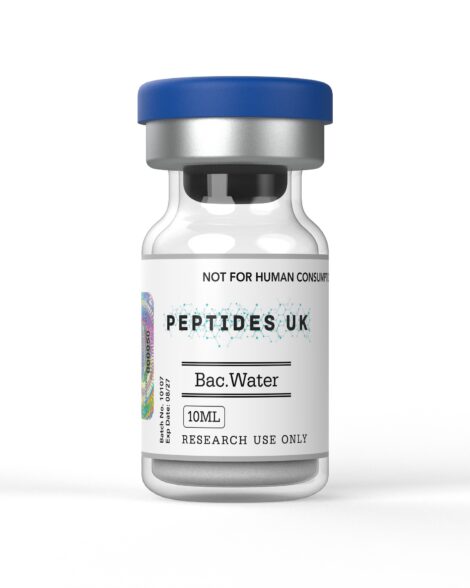
Allow the vial to reach room temperature before opening. Add sterile water or an appropriate laboratory buffer slowly down the vial wall and swirl gently — do not shake. Prepare at your protocol’s required concentration, aliquot, and store at -80°C to minimise freeze-thaw degradation. Standard peptide handling protocols apply.
Orders are dispatched promptly via tracked international courier. Delivery to EU and European destinations typically takes 3–7 working days depending on location, with packaging designed to protect peptide stability throughout transit.
| Parameter | Detail |
|---|---|
| Sequence | Tyr-Leu-Arg-Ile-Val-Gln-Cys-Arg-Ser-Val-Glu-Gly-Ser-Cys-Gly-Phe |
| Region | hGH amino acids 176–191 (C-terminal fragment) |
| Type | Synthetic Human Growth Hormone C-Terminal Fragment |
| Primary Research Interest | Lipolysis, adipocyte biology, GH structure-activity research |
| Purity | ≥99% |
| Verification | HPLC & Mass Spectrometry |
| Form | Sterile Lyophilised Powder |
| Solubility | Sterile water or laboratory buffer |
| Storage | -20°C, protected from light and moisture |
| Intended Use | Research use only |
HGH Fragment 176-191 is supplied exclusively for legitimate scientific research conducted within licensed laboratory environments. This product is not approved for human consumption, self-administration, or any therapeutic, clinical, or veterinary application. It must be handled solely by qualified researchers in compliance with applicable EU regulations, national legislation, and institutional ethics guidelines. By purchasing, you confirm this compound will be used exclusively for approved in vitro or pre-clinical research purposes.

Receive News
