PRODUCTS SOLD ON PEPTIDESLABEU.COM ARE FOR RESEARCH PURPOSES ONLY AND ARE NOT FOR HUMAN OR VETERINARY USE.
€172.00
Cagrilintide EU – Buy Online | In Stock & Ready to Ship
Buy Cagrilintide in Europe with fast shipping and guaranteed ≥99% purity — verified with COA and HPLC documentation. A trusted choice for peptides EU research teams rely on, with no customs delays or lengthy international wait times. Whether you’re searching for Cagrilintide Europe suppliers, looking to buy Cagrilintide in the EU, or sourcing peptides Europe-wide, we have you covered. Research teams across the EU can count on consistent stock, rapid fulfilment and full batch documentation every time.
For research use only. Not intended for human or veterinary use.
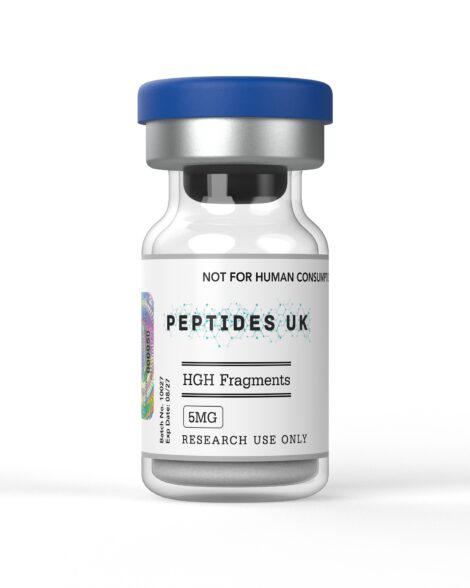

Cagrilintide is a long-acting synthetic analogue of human amylin (islet amyloid polypeptide, IAPP) engineered through a combination of structural modifications — including backbone lactam bridge stabilisation, C-18 fatty diacid acylation via a linker, and selective amino acid substitutions — that confer markedly extended plasma half-life (~7–8 days, enabling once-weekly dosing), profound resistance to aggregation, and high-affinity agonism at amylin receptors (AMY₁, AMY₂, AMY₃) and calcitonin gene-related peptide receptors (CGRP-R), available to buy in Europe for laboratory research into amylin receptor pharmacology, energy homeostasis and satiety neurobiology, body weight regulation biology, glucagon suppression and postprandial glucose control, hypothalamic and brainstem appetite-regulating circuit biology, the combination pharmacology of amylin and GLP-1 receptor co-agonism, and the comparative study of amylin analogue structure-activity relationships.
Laboratories and research institutions across the EU can order verified, research-grade cagrilintide with fast international dispatch to Europe, full batch documentation, and ≥99% purity confirmed by HPLC and Mass Spectrometry.
✅ ≥99% Purity — HPLC & Mass Spectrometry Verified
✅ Batch-Specific Certificate of Analysis (CoA)
✅ Sterile Lyophilised Powder | GMP Manufactured
✅ Fast Dispatch to EU & Europe | Tracked Shipping
Cagrilintide is a 37-amino acid synthetic amylin analogue developed by Novo Nordisk, designed to address two fundamental limitations of native human amylin (IAPP) and its earlier analogue pramlintide that have historically constrained the translational utility of amylin pharmacology: the extreme aggregation propensity of native IAPP — driven by its amyloidogenic hydrophobic core sequence (residues 20–29) — which causes rapid fibril formation at physiological concentrations and renders native IAPP unsuitable for sustained pharmacological administration; and the very short plasma half-life of pramlintide (~48 minutes), which necessitates multiple daily injections and limits the exploration of sustained amylin receptor agonism in metabolic disease models.
Cagrilintide’s engineered structure addresses both limitations through a multi-element modification strategy. A backbone lactam bridge — introduced between Lys²⁶ and Asp²⁹ — constrains the central amyloidogenic segment of the peptide in a cyclic conformation that prevents the β-sheet stacking required for IAPP fibril formation, eliminating the aggregation propensity of native IAPP without abolishing receptor binding affinity. An extended linker-mediated C-18 fatty diacid acylation at Lys²⁵ enables reversible albumin binding in plasma — the same albumin-binding half-life extension strategy employed in semaglutide and other fatty acid-conjugated peptide therapeutics — producing a prolonged apparent plasma half-life of approximately 7–8 days that enables once-weekly dosing in sustained pharmacological protocols. Additional amino acid substitutions throughout the sequence reduce susceptibility to proteolytic degradation while maintaining the helical secondary structure required for amylin receptor engagement.
The resulting molecule is a potent, long-acting agonist at the three principal amylin receptor subtypes — AMY₁ (CTR + RAMP1), AMY₂ (CTR + RAMP2), and AMY₃ (CTR + RAMP3), which are heterodimeric complexes of the calcitonin receptor (CTR) with receptor activity-modifying proteins (RAMPs) 1, 2, or 3 — and also activates CGRP receptors (CGRP-R: CLR + RAMP1) with meaningful affinity, consistent with the shared receptor pharmacology family that encompasses amylin, calcitonin, CGRP, adrenomedullin, and intermedin. In the context of energy homeostasis research, cagrilintide’s central pharmacological effects are mediated primarily through amylin receptor subtypes expressed in the area postrema (AP) and nucleus tractus solitarius (NTS) of the brainstem — the primary central targets for circulating amylin’s satiety and gastric emptying-slowing actions — and in the hypothalamic arcuate nucleus and ventromedial hypothalamus, where amylin receptor signalling integrates with leptin, GLP-1 receptor, and melanocortin circuit inputs to regulate long-term energy balance.
Cagrilintide’s development as a research tool — and its clinical evaluation as the amylin component of the dual amylin/GLP-1 receptor agonist combination CagriSema (cagrilintide + semaglutide) — reflects a growing understanding that amylin receptor agonism engages complementary and partially non-overlapping CNS circuits to GLP-1 receptor agonism, and that the combination of the two provides synergistic weight reduction exceeding that achievable with either agent alone.
In laboratory settings, cagrilintide is studied across amylin receptor pharmacology, energy homeostasis and body weight regulation, satiety neurobiology, postprandial glucagon suppression, gastric emptying biology, hypothalamic-brainstem appetite circuit research, amylin/GLP-1 combination pharmacology, and amylin analogue structure-activity relationship characterisation. EU and European researchers working with cagrilintide typically focus on:
Amylin receptor pharmacology — binding, activation, and signalling characterisation — Cagrilintide’s high-affinity agonism at AMY₁, AMY₂, and AMY₃ receptor subtypes makes it a pharmacologically well-characterised ligand for amylin receptor biology studies — enabling quantitative characterisation of receptor binding affinities (radioligand competition binding, HTRF-based binding assays), Gαs-coupled cAMP generation (cAMP accumulation assays in AMY₁/₂/₃-expressing HEK293 cell systems), β-arrestin recruitment (BRET/HTRF biosensors), and receptor internalisation and recycling kinetics. Comparative studies use cagrilintide alongside pramlintide, salmon calcitonin (sCT — a high-affinity AMY receptor agonist used as reference ligand), human CGRP, and native IAPP to establish the relative receptor subtype selectivity profile of cagrilintide and characterise the structural basis of its receptor engagement — providing mechanistic resolution of how the lactam bridge and acylation modifications alter the receptor binding and activation signature relative to non-modified amylin analogues.
Area postrema and nucleus tractus solitarius amylin receptor neurobiology — The area postrema (AP) — a circumventricular organ lacking a complete blood-brain barrier — and the adjacent nucleus tractus solitarius (NTS) are the primary central sites for circulating amylin’s acute satiety actions, expressing high densities of AMY₁ and AMY₃ receptor subtypes on neurons that integrate hormonal satiety signals with vagal afferent inputs from the gastrointestinal tract. Studies use cagrilintide to characterise amylin receptor-mediated signalling in AP and NTS neurons — examining cAMP generation, neuronal firing rate changes, c-Fos/pERK induction as markers of neuronal activation, and the downstream connectivity of AP/NTS amylin-responsive neurons to hypothalamic energy regulation centres — establishing the neural circuit architecture through which sustained amylin receptor agonism produces satiety and reduced food intake.
Hypothalamic energy balance circuit research — Beyond the AP/NTS brainstem circuit, amylin receptor subtypes are expressed in hypothalamic nuclei critical to long-term energy homeostasis — including the arcuate nucleus (ARC), ventromedial hypothalamus (VMH), and lateral hypothalamic area (LHA) — where amylin receptor signalling interacts with leptin receptor (LepR), melanocortin-4 receptor (MC4R), NPY/AgRP, and POMC/CART circuit elements. Studies use cagrilintide in hypothalamic slice preparations, primary hypothalamic neuron cultures, and in vivo c-Fos mapping experiments to characterise the hypothalamic amylin receptor-expressing neuron populations, their connectivity with established appetite-regulating circuits, and the interaction between sustained amylin receptor agonism and leptin signalling — the latter being mechanistically important because amylin and leptin have long been observed to exhibit pharmacological synergy in body weight reduction that exceeds the effects of either hormone alone.
Body weight reduction and energy expenditure research — The primary translational research interest in cagrilintide centres on its body weight-reducing pharmacology in obesity models — combining potent satiety effects (reduced meal size, reduced meal frequency, reduced total caloric intake) with sustained glucagon suppression, gastric emptying deceleration, and potential direct effects on energy expenditure through brown adipose tissue thermogenesis modulation. Studies in diet-induced obesity (DIO) rodent models, genetic obesity models (ob/ob, db/db mice), and non-human primate obesity models characterise cagrilintide’s dose-dependent body weight trajectory, the relative contributions of food intake reduction versus energy expenditure changes to its weight-reducing effects, the time course and magnitude of weight reduction with sustained versus pulsatile dosing, and the durability of weight reduction effects — establishing the pharmacological and physiological parameters of amylin receptor agonist-mediated body weight regulation.
Postprandial glucagon suppression and glucose homeostasis research — Native amylin is co-secreted with insulin from pancreatic β-cells in response to nutrient ingestion and exerts a glucagonostatic effect on α-cells — suppressing postprandial glucagon secretion and thereby dampening hepatic glucose output during the postprandial period. Cagrilintide’s sustained amylin receptor agonism provides a pharmacological tool for studying the mechanisms and quantitative magnitude of amylin-mediated glucagon suppression — characterising the receptor subtypes mediating glucagonostatic effects, the direct pancreatic α-cell versus indirect (CNS-mediated) contributions to glucagon suppression, and the interaction between amylin receptor-driven glucagon suppression and GLP-1 receptor-mediated insulin secretion stimulation in the context of postprandial glucose excursion control.
Gastric emptying biology and nutrient sensing research — Amylin slows gastric emptying through a centrally mediated vagal pathway — engaging AP/NTS amylin receptors that activate descending vagal efferents to the stomach, reducing gastric contractility and pyloric tone to decelerate nutrient delivery to the small intestine. Studies use cagrilintide to characterise the central and peripheral mechanisms of amylin-mediated gastric emptying control — examining the neural circuit architecture mediating this effect (AP→NTS→dorsal motor nucleus of vagus→stomach), the interaction between amylin receptor-driven gastric emptying deceleration and GLP-1 receptor-mediated gastric motility effects, and the quantitative contribution of gastric emptying slowing to cagrilintide’s food intake and postprandial glucose-lowering effects.
Amylin and GLP-1 receptor co-agonism — CagriSema combination pharmacology research — A major research application of cagrilintide is as the amylin component in combination studies with semaglutide (GLP-1 receptor agonist) — examining the pharmacological interaction between amylin receptor and GLP-1 receptor agonism in energy homeostasis regulation. Studies characterising amylin/GLP-1 combination biology investigate: whether the combination produces additive or synergistic reductions in food intake and body weight beyond either agent alone; the distinct versus overlapping CNS circuits engaged by AP/hypothalamic amylin receptor agonism versus GLP-1 receptor agonism (vagal afferent NTS → ARC circuit); the differential effects of each agent on macronutrient preference, meal pattern, and binge eating behaviour; and the interaction between amylin receptor-driven glucagon suppression and GLP-1 receptor-driven insulin secretion stimulation in integrated glucose homeostasis. These combination pharmacology studies provide the mechanistic foundation for understanding the superior weight reduction observed with CagriSema versus either component alone.
Amylin/leptin synergy and leptin sensitisation research — One of the most mechanistically intriguing features of amylin receptor pharmacology — first characterised with pramlintide and extending to cagrilintide — is the pharmacological synergy between amylin and leptin receptor agonism in body weight reduction: the combination produces weight loss substantially exceeding that achievable with either hormone at maximally effective monotherapy doses, and amylin receptor agonism appears to partially reverse leptin resistance in diet-induced obese animals. Studies use cagrilintide to investigate the cellular and molecular basis of amylin-leptin synergy — examining the interaction between AP/NTS amylin receptor signalling and hypothalamic LepR-STAT3 signalling, the effects of sustained cagrilintide exposure on hypothalamic LepR expression and signal transduction capacity, and the potential role of amylin receptor-driven neuroplasticity in hypothalamic leptin-sensitive circuits as a mechanism for amylin-induced leptin re-sensitisation.
Receptor activity-modifying protein (RAMP) biology and amylin receptor subtype research — Amylin receptors are obligate heterodimers — formed by co-expression of the calcitonin receptor (CTR) with one of three RAMPs (RAMP1 producing AMY₁, RAMP2 producing AMY₂, RAMP3 producing AMY₃) — making them a model system for studying RAMP-dependent receptor pharmacology. Studies use cagrilintide alongside subtype-selective pharmacological tools to characterise RAMP-dependent differences in amylin receptor pharmacology — including differences in agonist binding affinity, G-protein coupling efficiency (Gαs vs Gαi), β-arrestin recruitment kinetics, receptor trafficking, and the tissue distribution of AMY subtype expression in brain regions relevant to energy homeostasis. These RAMP biology studies provide mechanistic insight into why different amylin receptor subtypes may mediate distinct aspects of amylin pharmacology — and establish cagrilintide as a tool for probing subtype-dependent amylin receptor biology in native tissue contexts.
Brown adipose tissue thermogenesis and energy expenditure research — Beyond its food intake-suppressing effects, amylin receptor agonism has been implicated in activation of brown adipose tissue (BAT) thermogenesis — with amylin receptor-expressing neurons in the AP and hypothalamus projecting to sympathetic pre-ganglionic neurons that innervate BAT and modulate thermogenic output through UCP1 (uncoupling protein 1) upregulation. Studies use cagrilintide to characterise amylin receptor-mediated effects on BAT thermogenesis — measuring UCP1 expression, BAT oxygen consumption, and sympathetic nervous system activation markers — and to determine the quantitative contribution of enhanced energy expenditure to cagrilintide’s body weight-reducing effects, distinct from its food intake reduction effects.
Pancreatic β-cell biology and IAPP aggregation research — Native IAPP is co-produced with insulin in pancreatic β-cells and plays an autocrine/paracrine role in modulating β-cell function — with its aggregation into amyloid fibrils in the islets of Langerhans implicated in β-cell toxicity and mass reduction in type 2 diabetes pathogenesis. Cagrilintide’s non-aggregating structure — achieved through the lactam bridge modification — makes it a research tool for dissociating amylin receptor pharmacology from IAPP aggregation toxicity in β-cell biology studies: examining amylin receptor-mediated effects on insulin secretion, β-cell survival, and islet architecture without the confound of fibril-mediated β-cell toxicity that complicates native IAPP pharmacology experiments at sustained concentrations.
Comparative amylin analogue structure-activity relationship research — Cagrilintide’s multi-element structural modification relative to native IAPP and pramlintide — lactam bridge, fatty acid acylation, and amino acid substitutions — provides a rich SAR framework for studying how each structural feature contributes to receptor binding affinity, receptor subtype selectivity, aggregation resistance, albumin binding, and in vivo pharmacokinetics. Studies use cagrilintide in systematic comparison with pramlintide, sCT, and rationally designed IAPP variants to establish structure-activity relationships governing amylin receptor pharmacology — characterising the independent contributions of the lactam bridge (aggregation resistance, helical stabilisation), the C-18 fatty diacid acylation (albumin binding, half-life extension), and individual amino acid substitutions to the overall pharmacological profile.
All research applications are for in vitro and pre-clinical use only.
Cagrilintide has a focused but mechanistically significant research literature — anchored in the preclinical pharmacology studies characterising its structural modifications, receptor pharmacology, and in vivo metabolic effects, and extending to clinical pharmacology studies that have established its human pharmacokinetic and pharmacodynamic profile and its synergistic interaction with semaglutide in CagriSema combination protocols.
Structural characterisation and aggregation resistance: Biophysical studies characterising cagrilintide’s structural properties — using thioflavin T fluorescence assays, transmission electron microscopy, and circular dichroism spectroscopy — established that the lactam bridge modification between Lys²⁶ and Asp²⁹ eliminates the amyloid fibril formation capacity of the native IAPP amyloidogenic core under conditions (pH 7.4, 37°C, physiological salt concentrations) where native IAPP and pramlintide aggregate extensively. CD spectroscopy confirmed that the lactam bridge stabilises the α-helical secondary structure of cagrilintide in solution — the conformation required for amylin receptor engagement — at peptide concentrations where native IAPP adopts the β-sheet conformation that precedes fibril nucleation. These structural characterisation studies established the mechanistic basis of cagrilintide’s aggregation resistance and confirmed that the lactam modification preserves rather than disrupts the helical receptor-binding conformation.
Amylin receptor binding and activation pharmacology: Radioligand competition binding studies using ¹²⁵I-rat amylin or ¹²⁵I-salmon calcitonin as tracers characterised cagrilintide’s binding affinities at AMY₁, AMY₂, AMY₃, CTR, and CGRP-R expressed in HEK293 cells — establishing subnanomolar to low-nanomolar Ki values at all three AMY receptor subtypes and confirming meaningful CGRP-R affinity. Functional cAMP accumulation assays confirmed full agonist efficacy at all three AMY subtypes with EC₅₀ values in the low-nanomolar range — validating cagrilintide as a potent, full-efficacy amylin receptor agonist across receptor subtype heterogeneity. These receptor pharmacology studies established the quantitative pharmacological basis for cagrilintide’s central metabolic effects.
Preclinical body weight and food intake efficacy studies: Studies in diet-induced obese (DIO) rodent models characterised cagrilintide’s dose-dependent effects on body weight — with once-weekly subcutaneous dosing producing sustained, dose-proportional reductions in body weight trajectory driven predominantly by reduced food intake, with evidence for enhanced energy expenditure at higher doses. Pair-feeding experiments established that the majority of cagrilintide’s weight-reducing effect in preclinical models was attributable to food intake reduction rather than metabolic rate increase — consistent with the primary pharmacological mechanism of amylin receptor-mediated satiety enhancement and meal pattern modification.
Amylin/GLP-1 combination pharmacology studies: Preclinical combination studies using cagrilintide together with semaglutide in DIO mouse and rat models established that the combination produced synergistic body weight reductions exceeding those of either agent at equivalent doses — with the amylin and GLP-1 receptor agonist components each contributing independently to food intake reduction through partially non-overlapping CNS circuitry. Neuroanatomical studies examining c-Fos activation patterns in the brains of cagrilintide-treated, semaglutide-treated, and combination-treated animals revealed distinct patterns of neuronal activation — with cagrilintide more prominently activating AP and NTS amylin-receptor-expressing neurons and semaglutide more prominently activating GLP-1 receptor-expressing neurons in the vagal brainstem circuit — providing the mechanistic basis for the complementary rather than redundant pharmacological interaction in combination therapy.
Amylin/leptin synergy studies: Studies examining the pharmacological interaction between cagrilintide and leptin receptor agonism in DIO rodent models recapitulated the amylin-leptin synergy previously observed with pramlintide — with the combination of cagrilintide and exogenous leptin producing body weight reductions substantially greater than either agent alone, and with cagrilintide exposure partially restoring hypothalamic LepR signal transduction capacity (pSTAT3 responses to acute leptin challenge) in diet-induced obese animals that had developed leptin resistance. These synergy studies established the mechanistic foundation for potential combination strategies targeting both amylin and leptin receptor pathways in obesity pharmacology research.
Glucagon suppression and postprandial glycaemia studies: Studies in animal models and, in clinical pharmacology investigations, in human subjects characterised cagrilintide’s postprandial glucagonostatic effect — with sustained amylin receptor agonism producing significant suppression of glucagon excursions following mixed-meal challenge, reduced peak postprandial glucose concentrations, and delayed gastric emptying (assessed by acetaminophen absorption methodology and gastric scintigraphy). These mechanistic pharmacodynamic studies confirmed that cagrilintide recapitulates the glucagonostatic and gastric emptying-slowing effects of native amylin in a sustained, once-weekly dosing paradigm.
Clinical pharmacokinetics and pharmacodynamics: Human pharmacology studies characterising cagrilintide’s clinical PK profile confirmed a terminal half-life of approximately 7–8 days in healthy human subjects — consistent with the albumin-binding half-life extension design — enabling true once-weekly dosing without PK accumulation variability. PD studies in people with obesity confirmed dose-dependent reductions in body weight, fasting glucagon, and postprandial glucose excursions over the studied dose range, establishing the human translational relevance of the preclinical metabolic pharmacology characterisation.
| Compound | Class | Primary Receptor Target | Half-Life | Aggregation Risk | Key Research Distinction |
|---|---|---|---|---|---|
| Cagrilintide | Long-acting amylin analogue (lactam bridge + C-18 fatty diacid acylation) | AMY₁, AMY₂, AMY₃ (full agonist); CGRP-R | ~7–8 days (once-weekly) | None — lactam bridge eliminates aggregation | Long-acting; aggregation-free; once-weekly amylin receptor agonist; CagriSema component; sustained HPG-independent satiety biology |
| Pramlintide | Synthetic amylin analogue (Pro²⁵/²⁸/²⁹ substitutions) | AMY₁, AMY₂, AMY₃ (full agonist) | ~48 minutes (TID dosing) | Reduced vs native IAPP (Pro substitutions) | Short-acting reference amylin analogue; multiple daily dosing; established preclinical and clinical comparator |
| Native Human IAPP (Amylin) | Endogenous 37-aa β-cell peptide | AMY₁, AMY₂, AMY₃ | 2–5 minutes | High — amyloidogenic (residues 20–29) | Endogenous reference ligand; rapid fibril formation at physiological concentration; aggregation biology probe |
| Salmon Calcitonin (sCT) | Calcitonin/AMY receptor agonist | CTR (high affinity); AMY₁/₂/₃ | Hours | None | High-affinity AMY/CTR reference agonist; pharmacological tool for receptor characterisation; not satiety-selective |
| Semaglutide | Long-acting GLP-1 receptor agonist (C-18 fatty diacid acylation) | GLP-1R (full agonist) | ~7 days (once-weekly) | None | GLP-1 receptor agonist comparator; CagriSema combination partner; partially non-overlapping CNS circuits vs cagrilintide |
| Liraglutide | GLP-1 receptor agonist (C-16 fatty acid acylation) | GLP-1R (full agonist) | ~13 hours (once-daily) | None | GLP-1 receptor agonist comparator; once-daily dosing; comparative GLP-1/amylin circuit biology |
| Leptin | Endogenous adipokine (energy balance hormone) | LepR (JAK2/STAT3) | ~25 minutes | None (in native form) | Amylin synergy partner; hypothalamic LepR-STAT3 pathway comparator; leptin resistance biology |
| AC187 | Amylin/CGRP receptor antagonist | AMY₁/₂/₃, CGRP-R (antagonist) | Short (research use) | None | Competitive amylin receptor antagonist; essential pharmacological control for confirming receptor-mediated cagrilintide effects |
Every order of cagrilintide dispatched to EU and European research institutions includes:
Can I Buy Cagrilintide in the EU and Europe?
Yes. We supply research-grade cagrilintide with fast tracked dispatch to all EU member states and wider European destinations. All orders include full batch documentation. Cagrilintide is supplied strictly for laboratory research use only.
What Are the Key Structural Modifications in Cagrilintide and What Does Each Achieve?
Cagrilintide incorporates three categories of structural modification relative to native human IAPP. The backbone lactam bridge — a cyclic amide bond formed between the ε-amino group of Lys²⁶ and the side chain carboxylate of Asp²⁹ — constrains the amyloidogenic central segment (residues 20–29) of IAPP in a cyclic conformation that prevents the intermolecular β-sheet stacking required for amyloid fibril nucleation, while simultaneously stabilising the α-helical conformation required for amylin receptor binding. This modification is the primary structural innovation that makes cagrilintide a pharmacologically viable sustained amylin receptor agonist: without it, the peptide would aggregate at the concentrations and durations required for sustained in vitro and in vivo studies. The C-18 fatty diacid acylation — attached via a linker to Lys²⁵ — enables reversible, non-covalent binding to circulating serum albumin, producing a high-molecular-weight depot in plasma that dramatically slows renal clearance and proteolytic degradation, extending plasma half-life from minutes (native IAPP) to approximately 7–8 days. This is the same half-life extension strategy used in semaglutide, insulin degludec, and liraglutide, exploiting the very long half-life of albumin (~19–22 days) to extend peptide persistence. Additional amino acid substitutions at selected positions reduce susceptibility to specific endopeptidases while preserving the overall primary and secondary structural determinants of receptor engagement.
What is the Difference Between AMY₁, AMY₂, and AMY₃ Receptor Subtypes and Why Does This Matter?
AMY₁, AMY₂, and AMY₃ are heterodimeric receptor complexes, each formed by co-expression of the calcitonin receptor (CTR) with one of three receptor activity-modifying proteins: AMY₁ = CTR + RAMP1, AMY₂ = CTR + RAMP2, AMY₃ = CTR + RAMP3. The RAMP component fundamentally alters the pharmacological properties of the CTR — modifying the shape and chemistry of the receptor’s ligand-binding extracellular domain — such that the three AMY subtypes exhibit distinct affinities for different ligands within the calcitonin peptide family. In terms of amylin pharmacology relevance: AMY₁ is generally considered the highest-affinity amylin receptor subtype and is expressed in the highest density in the area postrema and relevant hypothalamic nuclei where amylin’s metabolic effects originate; AMY₃ is co-expressed with AMY₁ in metabolically relevant brain regions and contributes to the overall central amylin response; AMY₂ has a distinct tissue distribution and somewhat different pharmacological profile. For cagrilintide research, subtype selectivity matters because different CNS regions express different AMY subtype mixtures — and the quantitative contribution of each subtype to the overall energy homeostasis pharmacology of cagrilintide can be dissected using subtype-selective binding tools, RAMP knockout models, and region-specific receptor knockdown approaches.
How Does Cagrilintide’s CNS Mechanism Differ From GLP-1 Receptor Agonists Such as Semaglutide?
Cagrilintide and semaglutide both produce significant reductions in food intake and body weight through centrally mediated mechanisms, but they engage substantially distinct neural circuits to achieve these effects. Semaglutide’s primary CNS action is mediated through GLP-1 receptors expressed on vagal afferent neurons (nodose ganglion) that project to the NTS, and on GLP-1 receptor-expressing neurons in the ARC and other hypothalamic nuclei — with semaglutide reaching these sites primarily through vagal sensory pathways and circumventricular organ access. Cagrilintide’s primary CNS action is mediated through AMY₁ and AMY₃ receptors concentrated in the area postrema — a circumventricular organ that directly senses blood-borne amylin — and in the adjacent NTS and hypothalamic nuclei, with cagrilintide reaching AP amylin receptors directly from the circulation through the incomplete blood-brain barrier of this structure. The distinct receptor pharmacology (amylin receptor Gαs/cAMP vs GLP-1 receptor Gαs/cAMP + β-arrestin) and the partially non-overlapping anatomical distribution of amylin versus GLP-1 receptors in relevant brainstem and hypothalamic nuclei underlie the pharmacological complementarity of combining cagrilintide with semaglutide — producing greater than additive weight reduction when used in combination, as demonstrated in preclinical models and the CagriSema clinical development programme.
What Controls are Required for Mechanistic Cagrilintide Research?
Rigorous mechanistic interpretation of cagrilintide experiments requires several key controls. The amylin/CGRP receptor antagonist AC187 (or its analogue AC253) — pre-incubated prior to cagrilintide addition — confirms that observed responses are amylin receptor-mediated; complete reversal of cagrilintide effects by AC187 establishes receptor-mediated specificity. Pramlintide controls at equimolar concentrations characterise the contribution of the peptide backbone pharmacophore (independent of acylation-mediated albumin binding) to observed responses — in acute in vitro signalling assays where albumin binding is irrelevant, pramlintide and cagrilintide should produce equivalent maximal responses at saturating concentrations. Scrambled or inactive amylin analogue sequence controls confirm peptide sequence specificity. For in vitro experiments, bovine serum albumin (BSA) addition controls account for the fact that cagrilintide’s free fraction in serum-containing media is substantially reduced by albumin binding — and equimolar cagrilintide in serum-free versus serum-containing media will have dramatically different effective concentrations. For brain slice or in vivo CNS studies, AP lesion controls (area postrema ablation) establish the site-of-action dependence of cagrilintide’s central metabolic effects.
Is Cagrilintide Active at CGRP Receptors and What Is the Research Significance?
Yes — cagrilintide binds CGRP receptors (CLR + RAMP1) with meaningful affinity, a consequence of the shared evolutionary and structural heritage of the calcitonin peptide family (amylin, CGRP, adrenomedullin, calcitonin, and intermedin are all structural relatives that evolved from a common ancestral peptide and share overlapping receptor pharmacology at the CTR/RAMP and CLR/RAMP receptor families). In the context of energy homeostasis research, CGRP receptor activity is generally considered a secondary pharmacological feature of cagrilintide rather than its primary mechanistic driver — with the dominant body weight and food intake effects attributed to AMY₁ and AMY₃ receptor agonism in the AP and hypothalamus. However, CGRP receptor co-activity has research implications for studies examining cardiovascular effects (CGRP is a potent vasodilator through CGRP-R on vascular smooth muscle), neuroinflammatory biology, and bone metabolism — areas where the CGRP receptor activity of cagrilintide must be considered as a confound or co-mechanism, particularly at higher concentrations or in cell systems expressing predominantly CGRP-R rather than AMY receptor subtypes.
How Do I Reconstitute Cagrilintide for Laboratory Use?
Reconstitute with sterile water or sterile 10 mM acetic acid by adding solvent slowly to the lyophilised powder and mixing gently by inversion — do not vortex. Cagrilintide is a large (37-aa) acylated peptide with moderate solubility; initial stocks of 0.5–2 mg/mL are typically achievable in sterile water or dilute acetic acid. For cell culture studies, dilute to working concentrations (typically 0.1–100 nM for receptor signalling studies; 10–1000 nM for direct cell biology studies) in serum-free or BSA-free medium immediately before use — albumin present in serum-containing media binds cagrilintide through its fatty acid acylation and substantially reduces the free peptide concentration, requiring concentration adjustment or use of serum-free conditions for quantitative pharmacological experiments. Aliquot into single-use volumes, avoid repeated freeze-thaw cycles, and store at -20°C or -80°C. Verify reconstitution completeness visually and spectrophotometrically; cagrilintide’s Trp residue provides 280 nm absorbance for concentration verification.
How Quickly is Cagrilintide Delivered to Europe?
Delivery to EU and European destinations typically takes 3–7 working days via tracked international courier with packaging maintaining peptide stability throughout transit.
| Parameter | Detail |
|---|---|
| Peptide | Cagrilintide |
| Length | 37 amino acids |
| Class | Long-acting synthetic amylin analogue |
| Key Structural Modifications | Backbone lactam bridge (Lys²⁶–Asp²⁹) — aggregation resistance; C-18 fatty diacid acylation at Lys²⁵ via linker — albumin binding, half-life extension; amino acid substitutions — proteolytic resistance |
| Molecular Weight | ~4,670 Da (approximate; acylated form) |
| Primary Receptor Targets | AMY₁ (CTR + RAMP1), AMY₂ (CTR + RAMP2), AMY₃ (CTR + RAMP3) — full agonist; CGRP-R (CLR + RAMP1) — meaningful agonist activity |
| Receptor Mechanism | Gαs-coupled cAMP generation; β-arrestin recruitment; receptor internalisation (at sustained exposure) |
| Half-Life | ~7–8 days (human; albumin-mediated) — once-weekly dosing paradigm |
| Aggregation | None — lactam bridge eliminates amyloid fibril formation |
| Primary CNS Site of Action | Area postrema (AP) and nucleus tractus solitarius (NTS) — AMY₁/AMY₃; hypothalamic arcuate nucleus and VMH |
| Key Metabolic Effects | Food intake reduction (satiety); body weight reduction; postprandial glucagon suppression; gastric emptying deceleration; potential BAT thermogenesis modulation |
| p53 Dependency | N/A |
| Related Compounds | Pramlintide (short-acting amylin analogue); native IAPP; salmon calcitonin; semaglutide (CagriSema combination partner) |
| Clinical Context | Component of CagriSema (cagrilintide + semaglutide) dual amylin/GLP-1 agonist combination |
| Primary Research Interest | Amylin receptor pharmacology (AMY₁/₂/₃), RAMP biology, area postrema/NTS satiety neurobiology, body weight regulation, glucagon suppression, GLP-1/amylin combination pharmacology, amylin-leptin synergy, non-aggregating IAPP analogue SAR |
| Purity | ≥99% |
| Verification | HPLC & Mass Spectrometry |
| Form | Sterile Lyophilised Powder |
| Solubility | Sterile water or 10 mM acetic acid (0.5–2 mg/mL); use serum-free medium for quantitative cell assays |
| Storage | -20°C, protected from light and moisture |
| Intended Use | Research use only |
Cagrilintide is supplied exclusively for legitimate scientific research conducted within licensed laboratory environments. This product is not approved for human consumption, self-administration, or any therapeutic, clinical, or veterinary application. It must be handled solely by qualified researchers in compliance with applicable EU regulations, national legislation, and institutional ethics guidelines. By purchasing, you confirm this compound will be used exclusively for approved in vitro or pre-clinical research purposes.

Receive News
