PRODUCTS SOLD ON PEPTIDESLABEU.COM ARE FOR RESEARCH PURPOSES ONLY AND ARE NOT FOR HUMAN OR VETERINARY USE.
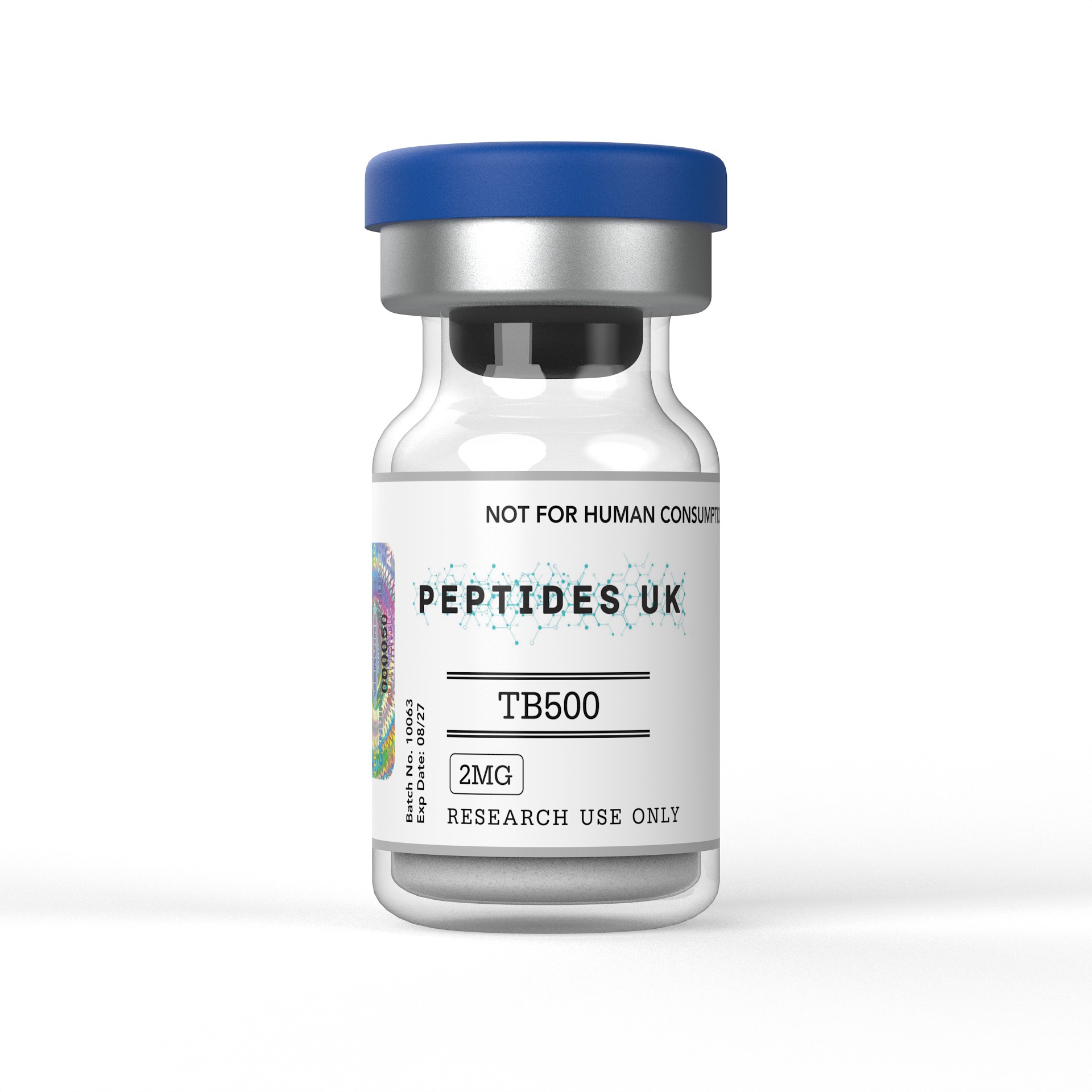
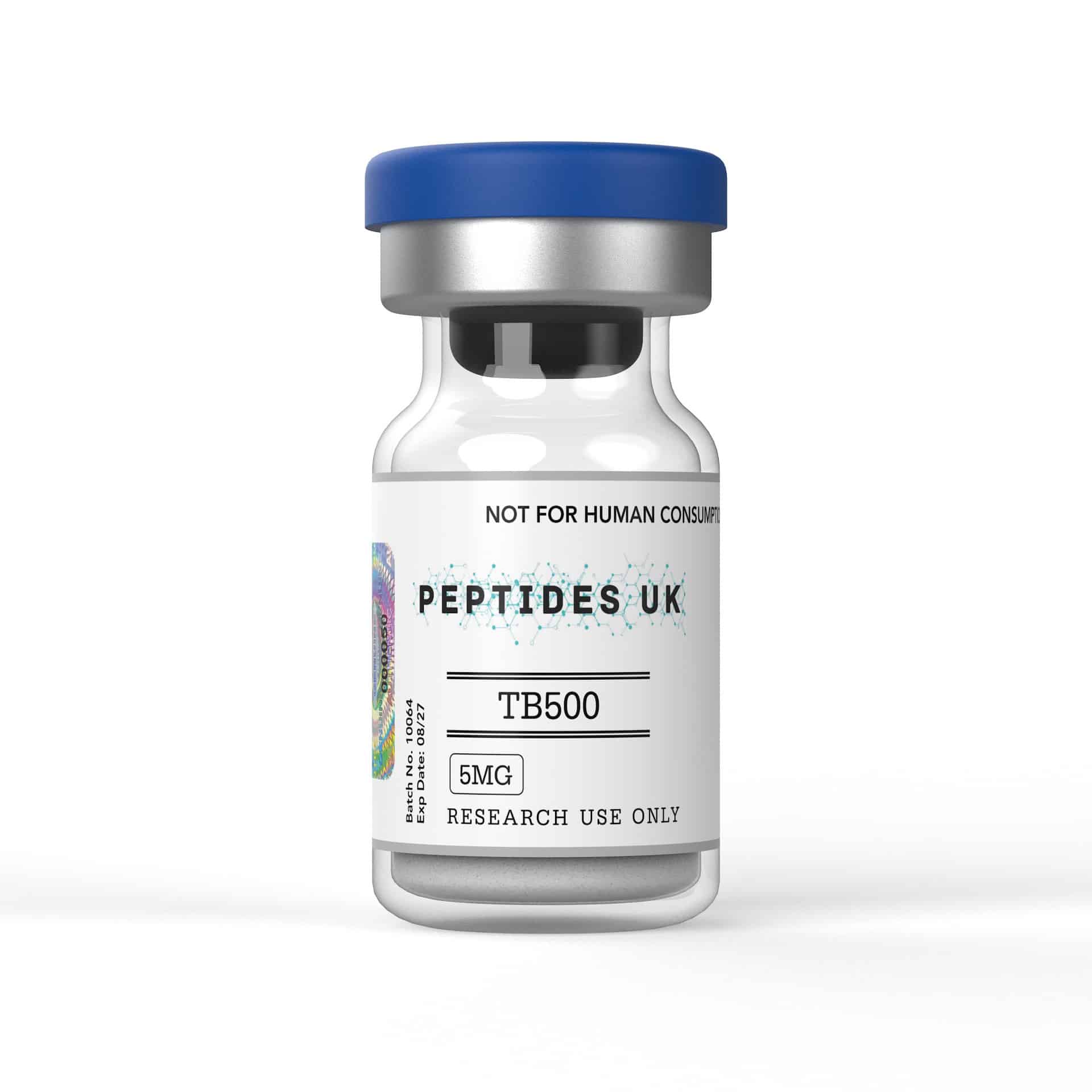
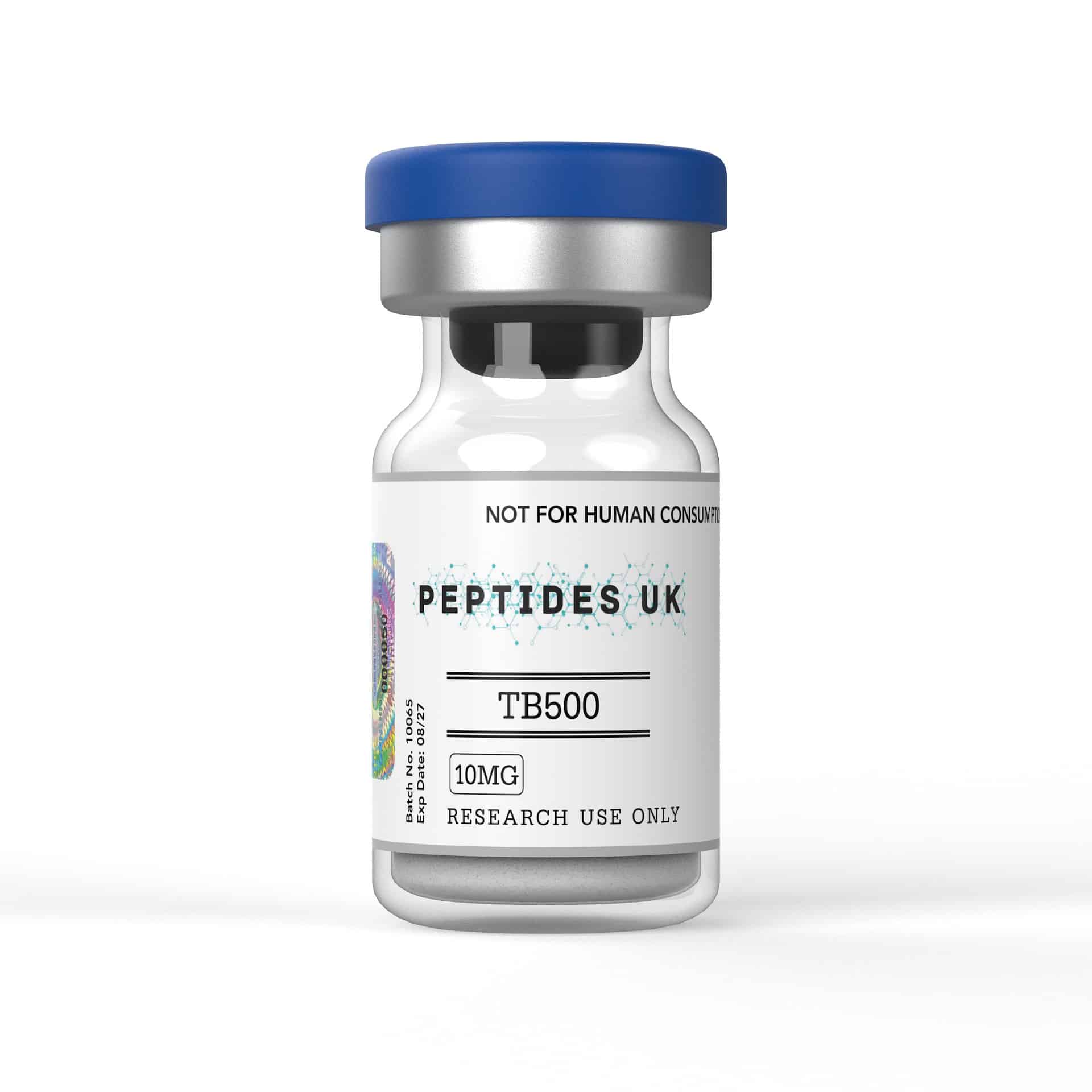
€28.00 – €46.00Price range: €28.00 through €46.00
TB-500 EU – Buy Online | In Stock & Ready to Ship
Buy TB-500 in Europe with fast shipping and guaranteed ≥99% purity — verified with COA and HPLC documentation. A trusted choice for peptides EU research teams rely on, with no customs delays or lengthy international wait times. Whether you’re searching for TB-500 Europe suppliers, looking to buy TB-500 in the EU, or sourcing peptides Europe-wide, we have you covered. Research teams across the EU can count on consistent stock, rapid fulfilment and full batch documentation every time.
For research use only. Not intended for human or veterinary use.


TB-500 is a synthetic 17-amino acid peptide fragment of Thymosin Beta-4 (Tβ4) corresponding to the actin-binding domain of the full-length protein, available to buy in Europe for laboratory research into actin dynamics and cytoskeletal biology, wound healing and tissue repair mechanisms, angiogenesis, anti-inflammatory signalling, cardiac repair, and the comparative pharmacology of Thymosin Beta-4-derived tissue-protective peptides.
Laboratories and research institutions across the EU can order verified, research-grade TB-500 with fast international dispatch to Europe, full batch documentation, and ≥99% purity confirmed by HPLC and Mass Spectrometry.
✅ ≥99% Purity — HPLC & Mass Spectrometry Verified
✅ Batch-Specific Certificate of Analysis (CoA)
✅ Sterile Lyophilised Powder | GMP Manufactured
✅ Fast Dispatch to EU & Europe | Tracked Shipping
TB-500 is a synthetic peptide corresponding to amino acid residues 17–23 of Thymosin Beta-4 (Tβ4) — expanded into the 17-amino acid active fragment sequence Ac-Leu-Lys-Lys-Thr-Glu-Thr-Gln-Glu-Lys-Asn-Pro-Leu-Pro-Ser-Lys-Glu-Thr-NH₂ that encompasses the central actin-binding tetrapeptide motif LKKTET (leucine-lysine-lysine-threonine-glutamate-threonine) of the parent 43-amino acid protein. Thymosin Beta-4 was originally isolated from thymic tissue in the 1960s as a putative immunomodulatory thymosins fraction, but its primary biological role was subsequently established as a G-actin (monomeric actin) sequestering protein — one of the most abundant intracellular actin-binding proteins in mammalian cells, present at micromolar concentrations in most cell types and serving as the principal regulator of the intracellular pool of unpolymerised actin available for filament assembly.
The LKKTET actin-binding motif is the pharmacophore through which Tβ4 engages G-actin — forming a 1:1 stoichiometric complex with actin monomers that sequesters them from the pointed end of growing actin filaments and regulates the ratio of G-actin to F-actin (filamentous actin) in the cell. This regulation of actin monomer availability controls actin filament polymerisation dynamics, cell motility, cell morphology changes, and the cytoskeletal reorganisation events that underlie cellular migration — processes directly relevant to wound healing, tissue repair, and angiogenesis. TB-500’s LKKTET-containing sequence retains the G-actin binding activity of full-length Tβ4 and reproduces its cell-biological effects on actin dynamics — making it a pharmacologically active fragment that isolates the primary mechanistic activity of the parent protein in a shorter, more metabolically accessible peptide format.
Beyond actin sequestration, TB-500 and full-length Tβ4 have been characterised as pleiotropic extracellular signalling molecules with paracrine tissue-protective, pro-angiogenic, and anti-inflammatory activities that extend beyond intracellular actin regulation. Extracellular Tβ4 — released by activated platelets, macrophages, and injured cells — engages cell surface receptors and extracellular binding partners to promote endothelial cell migration and tube formation, stimulate keratinocyte and fibroblast migration into wound beds, suppress NF-κB-driven pro-inflammatory cytokine production, and activate cardiac progenitor cells following myocardial injury. These extracellular activities are partially reproduced by TB-500 — establishing the synthetic fragment as a research tool for studying both the intracellular actin-regulatory and extracellular tissue-protective dimensions of Tβ4 biology.
TB-500’s practical research advantages over full-length Tβ4 include its shorter sequence — facilitating synthetic production, chemical modification, and pharmacological characterisation — and its focused LKKTET pharmacophore that allows mechanistic attribution of observed biological effects to the actin-binding domain activities, distinguishing them from the activities residing in other regions of the full-length 43-amino acid protein. This structural economy makes TB-500 the primary research tool in studies examining the actin dynamics, cell motility, wound healing, and tissue repair dimensions of Tβ4 biology.
In laboratory settings, TB-500 is studied across actin cytoskeletal biology, cell migration and wound healing, angiogenesis, cardiac repair, anti-inflammatory signalling, and comparative Tβ4 pharmacology. EU and European researchers working with TB-500 typically focus on:
Actin dynamics and cytoskeletal biology — TB-500’s LKKTET motif sequesters G-actin monomers in a 1:1 complex — reducing the free actin monomer pool available for filament barbed-end polymerisation and modulating the dynamic equilibrium between G-actin and F-actin. Studies use TB-500 to examine actin monomer sequestration kinetics, the dose-dependent effects of increased G-actin sequestration on filament assembly rates and steady-state F-actin levels, and the downstream cytoskeletal consequences of altered actin monomer availability — including changes in lamellipodia and filopodia dynamics, stress fibre organisation, and the actin-dependent processes of cell division, cytokinesis, and intracellular transport. TB-500 provides a chemically defined, sequence-specific actin-binding probe for mechanistic actin biology research distinct from cytochalasin-based or latrunculin-based pharmacological approaches that act on F-actin directly.
Cell migration and wound healing research — Actin polymerisation at the leading edge of migrating cells — driven by Arp2/3-dependent branched filament nucleation and formin-mediated linear filament elongation — is the primary cytoskeletal engine of directed cell migration. Tβ4’s actin sequestration activity contributes to leading edge dynamics by providing the G-actin monomer pool required for rapid filament polymerisation at the cell front. Studies use TB-500 to examine its effects on keratinocyte, fibroblast, and endothelial cell migration — characterising scratch wound closure rates, transwell migration capacity, and the cytoskeletal morphology changes associated with TB-500-treated cells — establishing TB-500’s pro-migratory activity and its mechanistic relationship to actin monomer availability and leading edge dynamics.
Angiogenesis and endothelial biology research — TB-500 and full-length Tβ4 promote endothelial cell migration, proliferation, and tube formation — the cellular processes underlying new blood vessel formation (angiogenesis) and existing vessel repair (arteriogenesis). Studies use TB-500 in in vitro angiogenesis assays — including endothelial tube formation on Matrigel, endothelial cell migration and invasion assays, and aortic ring sprouting assays — to characterise its pro-angiogenic activity, examine the signalling intermediaries linking TB-500 treatment to endothelial migration and tube formation, and establish the relationship between actin dynamics modulation and the downstream pro-angiogenic outputs of TB-500 in endothelial cell systems.
Integrin signalling and cell-matrix interaction research — Tβ4 interacts with integrin-linked kinase (ILK) — a scaffold protein at focal adhesion complexes — and modulates integrin-dependent outside-in signalling, cell-matrix adhesion dynamics, and the actin-integrin linkage at focal adhesions. Studies use TB-500 to probe the intersection of actin monomer regulation and integrin signalling — characterising TB-500’s effects on focal adhesion assembly and disassembly kinetics, paxillin and vinculin focal adhesion complex composition, and the downstream PI3K/Akt and MAPK/ERK pathway activation that follows ILK engagement — establishing the mechanistic relationship between Tβ4’s actin-binding activity and its integrin/ILK-dependent extracellular signalling consequences.
Anti-inflammatory signalling and NF-κB biology — Extracellular Tβ4 and TB-500 suppress NF-κB pathway activation in inflammatory cell systems — reducing IκB kinase (IKK) activity, preventing IκB degradation, and suppressing downstream NF-κB nuclear translocation and pro-inflammatory gene expression including TNF-α, IL-1β, IL-6, and COX-2. Studies use TB-500 to examine NF-κB pathway modulation in LPS-stimulated macrophages, inflammatory cytokine-treated epithelial cells, and other inflammatory challenge models — characterising the kinetics of IKK/IκB/NF-κB pathway suppression, the upstream signalling events linking TB-500 treatment to IKK inhibition, and the downstream anti-inflammatory transcriptional consequences of NF-κB pathway suppression in TB-500-treated inflammatory cell systems.
Cardiac repair and cardiomyocyte biology research — Full-length Tβ4 has been extensively studied in cardiac repair models — with pre-clinical studies documenting reduced infarct size, preserved cardiac function, and epicardial progenitor cell activation following Tβ4 treatment in myocardial infarction models. TB-500 is studied in cardiomyocyte culture and cardiac injury models to examine the actin dynamics and cell motility components of Tβ4’s cardiac repair biology — characterising cardiomyocyte survival signalling, the migration of epicardial progenitor cells into the myocardium following TB-500 treatment, and the ILK-dependent anti-apoptotic signalling in cardiomyocytes activated by TB-500. These cardiac studies address the mechanistic contribution of the LKKTET actin-binding pharmacophore to the broader cardioprotective biology of full-length Tβ4.
Corneal and ocular wound healing research — The corneal epithelium is among the most extensively studied tissue systems for Tβ4/TB-500 wound healing biology — with Tβ4 present at high concentrations in tears and documented as a potent promoter of corneal epithelial wound closure. Studies use TB-500 in corneal epithelial cell scratch assays, ex vivo corneal wound models, and pre-clinical corneal injury paradigms to examine corneal epithelial cell migration, re-epithelialisation kinetics, and the actin dynamics underlying corneal wound closure — establishing the LKKTET pharmacophore as the active principle driving Tβ4’s pro-healing activity in the corneal epithelial context.
Skin wound healing and dermal repair research — TB-500’s pro-migratory effects on keratinocytes and fibroblasts are directly relevant to skin wound healing — where re-epithelialisation (keratinocyte migration over the wound bed) and dermal remodelling (fibroblast migration, collagen deposition, and myofibroblast contraction) are the primary repair processes. Studies use TB-500 in skin wound healing models — including scratch assays, full-thickness excisional wound models, and diabetic wound healing impairment models — to characterise the contributions of TB-500-driven cell migration to wound closure rate, re-epithelialisation completeness, and dermal repair quality.
Neural repair and neuroprotection research — Tβ4 is expressed in the central and peripheral nervous system — with expression upregulated in neurons and oligodendrocytes following injury — and has been studied in neural injury models for neuroprotective and neuroregenerative activities. Studies use TB-500 to examine actin dynamics in neuronal growth cone navigation and axonal elongation, the effects of TB-500 on neuronal migration and dendritic spine morphology, and the neuroprotective consequences of TB-500 treatment in oxidative stress and excitotoxicity neuronal injury models — characterising the contribution of the actin-binding LKKTET pharmacophore to Tβ4’s neural biology.
Stem cell migration and homing research — Tissue repair following injury requires the migration of stem and progenitor cells to the damage site — a process dependent on actin-driven cell motility and chemotactic gradient sensing. Studies examine TB-500’s effects on mesenchymal stem cell, cardiac progenitor cell, and haematopoietic progenitor cell migration — characterising whether TB-500 treatment enhances directed progenitor cell migration toward injury signals, the actin cytoskeletal reorganisation events underlying TB-500-enhanced stem cell motility, and the downstream tissue repair consequences of improved progenitor cell homing in pre-clinical injury models.
Comparative Tβ4 fragment pharmacology — TB-500 versus full-length Tβ4 — TB-500’s 17-residue LKKTET-containing sequence represents the core actin-binding pharmacophore of Tβ4, but the full-length 43-amino acid protein contains additional regions — including the N-terminal Ac-SDKP tetrapeptide, which has independent anti-fibrotic and anti-inflammatory activity through angiotensin-converting enzyme (ACE)-dependent mechanisms — that contribute to the full biological profile of Tβ4. Studies systematically comparing TB-500 and full-length Tβ4 in matched biological systems characterise which Tβ4 activities are reproduced by the LKKTET fragment and which require the full-length sequence — mapping the activity landscape of the Tβ4 protein across its domains and establishing the structural requirements for each dimension of its biology.
Fibrosis and anti-fibrotic biology research — Tβ4’s Ac-SDKP N-terminal fragment — generated by prolyl oligopeptidase cleavage of the Tβ4 N-terminus — has established anti-fibrotic activity through ACE-mediated mechanisms, inhibiting TGF-β-driven fibroblast-to-myofibroblast transition and collagen deposition in cardiac and renal fibrosis models. Studies examining TB-500 in fibrosis models characterise its anti-fibrotic contribution relative to Ac-SDKP — probing whether the LKKTET actin-binding pharmacophore contributes to myofibroblast biology and actin stress fibre-dependent contractile phenotype independently of the ACE/Ac-SDKP mechanism, and establishing the relative contributions of the two Tβ4 domain activities to the anti-fibrotic biology of the full-length protein.
All research applications are for in vitro and pre-clinical use only.
TB-500 sits within the broader Thymosin Beta-4 research literature — one of the most extensive literatures in peptide biology, spanning actin biochemistry, wound healing, cardiac repair, and anti-inflammatory biology — with TB-500 specifically examined as the minimal active pharmacophore for the LKKTET-dependent activities.
Tβ4 actin-sequestering function characterisation: Foundational biochemical studies by Safer, Bhatt, Nachmias, and colleagues established Tβ4 as the principal G-actin sequestering protein in mammalian cells — demonstrating the 1:1 G-actin/Tβ4 stoichiometry, characterising the actin-binding kinetics, and establishing that the LKKTET motif constitutes the primary actin-binding pharmacophore. Crystal structures of Tβ4-actin and LKKTET peptide-actin complexes provided atomic-resolution detail of the actin-binding interface — establishing that the LKKTET sequence engages the hydrophobic cleft between actin subdomains 1 and 3, and that this interaction sterically blocks actin monomer incorporation into filament pointed ends. These structural studies provided the mechanistic foundation for TB-500 as a pharmacologically active actin-binding fragment.
Wound healing characterisation: Studies by Kleinman, Bhatt, and colleagues at the National Institutes of Health systematically characterised Tβ4’s wound healing activity — documenting accelerated wound closure in corneal, skin, and cardiac wound models and establishing the pro-migratory effects on keratinocytes, fibroblasts, and endothelial cells as the primary mechanism. TB-500’s LKKTET sequence was identified as sufficient to reproduce these pro-migratory effects — establishing the actin-binding pharmacophore as the wound healing-active principle and providing mechanistic validation of TB-500 as the minimal wound healing fragment of Tβ4.
Cardiac repair pre-clinical studies: Studies by Smart, Riley, Bhatt, and colleagues characterised Tβ4’s cardiac repair biology — documenting reduced infarct size, preserved ejection fraction, and epicardial progenitor cell activation in murine myocardial infarction models. These cardiac repair studies established ILK as a key Tβ4 effector in cardiomyocyte survival signalling and epicardial cell activation — with ILK-dependent PI3K/Akt activation identified as the anti-apoptotic mechanism protecting cardiomyocytes from ischaemic death. TB-500 studies in cardiac systems contribute to understanding which of these cardiac repair activities are mediated by the LKKTET actin-binding domain versus regions unique to the full-length protein.
Anti-inflammatory mechanism studies: Studies documenting Tβ4 and TB-500’s NF-κB pathway suppression characterised the upstream signalling mechanism — establishing that extracellular Tβ4 engages cell surface partners to reduce IKK complex activity, prevent IκB phosphorylation and degradation, and suppress NF-κB-dependent inflammatory gene expression. These anti-inflammatory studies provided mechanistic context for the reduced inflammatory cell infiltration and attenuated cytokine production observed in TB-500-treated wound and injury models — establishing anti-inflammatory signalling as a contributor to TB-500’s tissue-protective biology alongside its direct pro-migratory effects.
Corneal wound healing studies: Studies examining Tβ4 and TB-500 in corneal wound healing documented accelerated re-epithelialisation, reduced inflammatory cell infiltration, and improved corneal clarity in pre-clinical corneal injury models — leading to clinical investigation of Tβ4-derived peptides for dry eye and corneal epithelial wound healing. These corneal healing studies established the ocular tissue as one of the most reproducible and translatable model systems for TB-500 wound healing research and contributed to the mechanistic characterisation of actin dynamics-dependent epithelial cell migration as the primary healing mechanism.
Angiogenesis characterisation: Studies examining Tβ4’s pro-angiogenic activity documented endothelial cell migration, tube formation, and new vessel sprouting in response to Tβ4 and TB-500 in vitro and in vivo — with findings establishing the actin dynamics-dependent endothelial motility as the primary mechanism, distinct from growth factor-driven proliferative angiogenesis. These angiogenesis studies contributed to understanding of how Tβ4’s actin regulatory biology connects to tissue vascularisation responses following injury and established TB-500 as a research tool for examining actin-dependent aspects of angiogenic endothelial biology.
Ac-SDKP domain and anti-fibrotic biology: Studies by Peng, Bhatt, and colleagues characterised the Ac-SDKP N-terminal tetrapeptide of Tβ4 — generated by prolyl oligopeptidase processing — as an independent anti-fibrotic signal operating through ACE-dependent mechanisms to inhibit TGF-β-driven myofibroblast activation. These Ac-SDKP studies established that Tβ4’s biological profile is composite — combining LKKTET-mediated actin dynamics and cell migration activities with Ac-SDKP-mediated anti-fibrotic signalling — and motivated systematic comparison of TB-500 versus full-length Tβ4 to dissect the relative contributions of each domain to Tβ4’s tissue repair biology.
| Compound | Class | Primary Mechanism | Actin Interaction | Tissue Repair Activity | Key Research Distinction |
|---|---|---|---|---|---|
| TB-500 (Tβ4 17-aa fragment) | Synthetic Tβ4 LKKTET pharmacophore fragment | G-actin sequestration; cell migration; anti-inflammatory | G-actin binding (LKKTET motif) | Wound healing, angiogenesis, cardiac repair | Minimal LKKTET pharmacophore; actin-binding fragment of Tβ4; primary tissue repair research tool |
| Full-length Thymosin Beta-4 (Tβ4) | Endogenous 43-aa G-actin sequestering protein | G-actin sequestration + Ac-SDKP anti-fibrotic activity | G-actin binding + N-terminal Ac-SDKP | Full Tβ4 biology — actin + anti-fibrotic | Parent protein; broader activity profile including Ac-SDKP; TB-500 comparator |
| Ac-SDKP (N-acetyl-Ser-Asp-Lys-Pro) | Tβ4 N-terminal tetrapeptide — prolyl oligopeptidase product | ACE-dependent anti-fibrotic; haematopoietic progenitor regulation | None | Anti-fibrotic, anti-inflammatory | Tβ4 N-terminal domain activity — distinct from LKKTET; ACE substrate; anti-fibrotic biology |
| Latrunculin A/B | Marine toxin actin polymerisation inhibitor | G-actin sequestration — distinct binding site (nucleotide cleft) | G-actin binding (cleft — inhibits polymerisation) | Not tissue-protective | Reference G-actin sequestrant; nucleotide cleft mechanism vs LKKTET hydrophobic cleft |
| Cytochalasin D | Fungal toxin F-actin capper | F-actin barbed end capping — prevents polymerisation/depolymerisation | F-actin barbed end | Not tissue-protective | F-actin capping — distinct from G-actin sequestration; depolymerisation-independent actin disruption |
| Phalloidin | Bicyclic peptide F-actin stabiliser | F-actin stabilisation — prevents depolymerisation | F-actin lateral stabilisation | Not tissue-protective | F-actin stabiliser reference; opposite to G-actin sequestration; imaging tool |
| BPC-157 | Synthetic gastric pentadecapeptide | Angiogenesis, wound healing — multiple proposed mechanisms | Indirect — actin-independent | Wound healing, tissue repair | Mechanistically distinct tissue repair peptide; non-actin mechanism comparator |
Every order of TB-500 dispatched to EU and European research institutions includes:
Can I Buy TB-500 in the EU and Europe?
Yes. We supply research-grade TB-500 with fast tracked dispatch to all EU member states and wider European destinations. All orders include full batch documentation. TB-500 is supplied strictly for laboratory research use only.
What is the Relationship Between TB-500 and Full-Length Thymosin Beta-4?
TB-500 is a 17-amino acid synthetic fragment of Thymosin Beta-4 (Tβ4) centred on the LKKTET actin-binding tetrapeptide motif that constitutes the primary pharmacophore of the 43-amino acid parent protein. Tβ4 contains two structurally and functionally distinct regions: the LKKTET-containing central domain responsible for G-actin sequestration, cell migration promotion, and the downstream wound healing and angiogenic activities; and the N-terminal Ac-SDKP tetrapeptide domain — generated by prolyl oligopeptidase cleavage — with independent anti-fibrotic and anti-inflammatory activity through ACE-dependent mechanisms. TB-500 reproduces the LKKTET domain activities of Tβ4 — G-actin binding, pro-migratory effects, wound healing, and anti-inflammatory signalling — while lacking the Ac-SDKP N-terminal domain. Research comparing TB-500 and full-length Tβ4 uses this structural dissection to attribute observed biological effects to either the LKKTET or Ac-SDKP domains.
How Does TB-500 Promote Cell Migration Through Actin Dynamics?
Cell migration requires the coordinated polymerisation of actin filaments at the leading edge — driving lamellipodia and filopodia extension — and depolymerisation at the cell rear — allowing retraction and translocation. The rate and directionality of leading edge actin polymerisation depend critically on the availability of free G-actin monomers, which are incorporated at filament barbed ends by Arp2/3-nucleated branched networks and formin-mediated linear filaments. TB-500’s LKKTET sequence sequesters G-actin in a 1:1 complex that is readily exchangeable — providing a buffered, rapidly mobilisable G-actin pool that can be released when local signalling (Rac1/Cdc42 activation, PI(4,5)P₂ generation) drives leading edge actin polymerisation demand. This buffering function — maintaining a large reservoir of assembly-competent G-actin — enables rapid, sustained leading edge filament growth that drives the increased cell migration rate observed in TB-500-treated cells. The mechanism is fundamentally distinct from direct actin polymerisation stimulation and instead operates by optimising the substrate availability for the actin nucleation and elongation machinery already present at the leading edge.
What is the LKKTET Motif and Why is it Pharmacologically Important?
LKKTET (Leu-Lys-Lys-Thr-Glu-Thr) is the six-residue core actin-binding sequence within Tβ4 — and by extension TB-500 — that directly engages the G-actin monomer surface. Structural studies of the Tβ4-actin complex established that LKKTET contacts the hydrophobic cleft between actin subdomains 1 and 3 — the same surface engaged by actin-binding proteins such as DNase I and the WH2 (Wiskott-Aldrich Homology 2) domain — placing LKKTET in the WH2 family of actin-binding motifs. The pharmacological importance of LKKTET is threefold: it is the minimal sequence sufficient to bind G-actin; it sterically blocks pointed-end monomer addition when bound; and it is the sequence from which TB-500’s wound healing, pro-migratory, and anti-inflammatory activities are derived — making LKKTET both the structural target of mechanistic actin biology research and the functional pharmacophore of TB-500’s tissue-protective biology.
How Does TB-500 Differ From Latrunculin and Cytochalasin as an Actin Research Tool?
TB-500, latrunculin, and cytochalasin all modulate actin dynamics but through mechanistically distinct interactions with different actin states and binding sites. Latrunculin A/B sequesters G-actin by binding the nucleotide-binding cleft — preventing actin polymerisation but through a different binding geometry than TB-500’s LKKTET/hydrophobic cleft interaction. Cytochalasin D caps the barbed ends of F-actin filaments — preventing both polymerisation and depolymerisation at filament ends, with net depolymerisation from the pointed end. Both latrunculin and cytochalasin are broadly cytotoxic at the concentrations required for actin perturbation and are not tissue-protective — they are pharmacological disruptors of actin dynamics used for mechanistic actin biology research but not as tissue repair tools. TB-500’s LKKTET-mediated G-actin sequestration operates through the physiological Tβ4-actin binding interface — modulating rather than disrupting actin dynamics — and produces the tissue-protective pro-migratory and wound healing consequences of optimised G-actin buffering rather than cytotoxic actin network collapse.
What is the Significance of ILK in TB-500 and Tβ4 Biology?
Integrin-linked kinase (ILK) is a scaffold protein at focal adhesion complexes — bridging integrins to the actin cytoskeleton and serving as a signalling node for integrin-dependent PI3K/Akt activation, cell survival, and migration. Tβ4 directly interacts with ILK — and this ILK interaction is required for Tβ4’s cardioprotective anti-apoptotic activity and epicardial cell activation in cardiac repair models. Studies have established that Tβ4/ILK interaction drives Akt phosphorylation in cardiomyocytes — producing the anti-apoptotic signalling that reduces ischaemic cardiomyocyte death. For TB-500 research, the ILK interaction establishes a direct mechanistic link between the actin cytoskeletal regulatory activity of the LKKTET pharmacophore and the downstream integrin/PI3K/Akt survival signalling pathway — connecting actin dynamics modulation to cell survival biology through the focal adhesion signalling hub.
How Do I Reconstitute TB-500 for Laboratory Use?
Reconstitute with sterile water or PBS by adding solvent slowly down the vial wall and swirling gently — do not vortex. TB-500 is a 17-amino acid peptide with good aqueous solubility that dissolves readily in physiological buffers at neutral pH without requiring organic co-solvents. Prepare working stock solutions at the required concentration, aliquot into single-use volumes to avoid repeated freeze-thaw cycles, and store at -80°C. For cell migration and wound healing assays — scratch assays, transwell migration, tube formation — dilute to working concentration in serum-free or reduced-serum medium immediately before use to minimise competing actin-regulatory signals from serum growth factors. For actin biochemistry assays, prepare in the appropriate G-actin buffer (typically 5 mM Tris-HCl pH 8.0, 0.2 mM CaCl₂, 0.2 mM ATP, 0.5 mM DTT) to maintain actin in the assembly-competent G-actin state.
How Quickly is TB-500 Delivered to Europe?
Delivery to EU and European destinations typically takes 3–7 working days via tracked international courier with packaging maintaining peptide stability throughout transit.
| Parameter | Detail |
|---|---|
| Peptide | TB-500 (Thymosin Beta-4 active fragment) |
| Sequence | Ac-Leu-Lys-Lys-Thr-Glu-Thr-Gln-Glu-Lys-Asn-Pro-Leu-Pro-Ser-Lys-Glu-Thr-NH₂ |
| Length | 17 amino acids — N-terminally acetylated |
| Core Pharmacophore | LKKTET (Leu-Lys-Lys-Thr-Glu-Thr) — actin-binding WH2-family motif |
| Derived From | Thymosin Beta-4 (Tβ4) — central LKKTET domain (residues 17–23 core region) |
| Parent Protein | Thymosin Beta-4 (Tβ4) — 43-amino acid G-actin sequestering protein |
| Primary Mechanism | G-actin (monomer) sequestration via LKKTET/hydrophobic cleft interaction; cell migration promotion; NF-κB anti-inflammatory signalling |
| Actin Interaction | G-actin — hydrophobic cleft between subdomains 1 and 3 (WH2-family binding site) |
| ILK Interaction | Yes — integrin-linked kinase engagement driving PI3K/Akt survival signalling |
| Absent Domain vs Tβ4 | Ac-SDKP N-terminal tetrapeptide (anti-fibrotic/ACE-dependent activity) |
| Primary Research Interest | Actin dynamics, cell migration, wound healing, angiogenesis, cardiac repair, anti-inflammatory biology, Tβ4 fragment pharmacology |
| Purity | ≥99% |
| Verification | HPLC & Mass Spectrometry |
| Form | Sterile Lyophilised Powder |
| Solubility | Sterile water or PBS |
| Storage | -20°C, protected from light and moisture |
| Intended Use | Research use only |
TB-500 is supplied exclusively for legitimate scientific research conducted within licensed laboratory environments. This product is not approved for human consumption, self-administration, or any therapeutic, clinical, or veterinary application. It must be handled solely by qualified researchers in compliance with applicable EU regulations, national legislation, and institutional ethics guidelines. By purchasing, you confirm this compound will be used exclusively for approved in vitro or pre-clinical research purposes.
Receive News
