PRODUCTS SOLD ON PEPTIDESLABEU.COM ARE FOR RESEARCH PURPOSES ONLY AND ARE NOT FOR HUMAN OR VETERINARY USE.

€32.50
MGF EU – Buy Online | In Stock & Ready to Ship
Buy MGF in Europe with fast shipping and guaranteed ≥99% purity — verified with COA and HPLC documentation. A trusted choice for peptides EU research teams rely on, with no customs delays or lengthy international wait times. Whether you’re searching for MGF Europe suppliers, looking to buy MGF in the EU, or sourcing peptides Europe-wide, we have you covered. Research teams across the EU can count on consistent stock, rapid fulfilment and full batch documentation every time.
For research use only. Not intended for human or veterinary use.
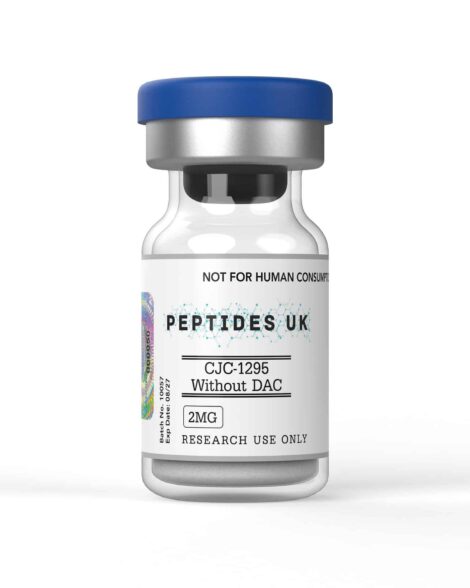


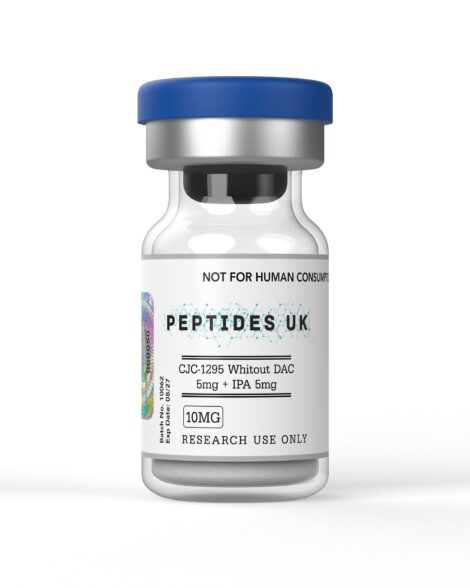
MGF (Mechano-Growth Factor) is a naturally occurring splice variant of Insulin-like Growth Factor 1 (IGF-1) produced in response to mechanical loading and tissue injury, available to buy in Europe for laboratory research into mechanoresponsive growth factor biology, satellite cell activation, skeletal muscle repair and hypertrophy, IGF-1 splice variant pharmacology, cardiac muscle biology, and the comparative pharmacology of locally acting IGF-1 isoforms.
Laboratories and research institutions across the EU can order verified, research-grade MGF with fast international dispatch to Europe, full batch documentation, and ≥99% purity confirmed by HPLC and Mass Spectrometry.
✅ ≥99% Purity — HPLC & Mass Spectrometry Verified
✅ Batch-Specific Certificate of Analysis (CoA)
✅ Sterile Lyophilised Powder | GMP Manufactured
✅ Fast Dispatch to EU & Europe | Tracked Shipping
Mechano-Growth Factor (MGF) is a locally expressed splice variant of the IGF-1 gene (IGF1) produced predominantly in skeletal muscle, cardiac muscle, bone, and tendon in response to mechanical strain, exercise loading, and tissue damage. MGF arises through alternative splicing of IGF-1 pre-mRNA — specifically through inclusion of exon 5 (in humans), which introduces a 49-base pair insert into the reading frame that shifts the translational reading frame and generates a unique C-terminal extension peptide (the E-domain) distinct from the Ea and Eb E-domain sequences of the systemic IGF-1 isoforms. This frameshifted E-domain — the MGF-specific Ec peptide in humans (Ed peptide in rodents) — encodes a 24-amino acid C-terminal peptide that confers on MGF its unique biology and distinguishes it from the liver-derived, IGFBP-regulated systemic IGF-1.
The MGF precursor protein undergoes proteolytic processing to yield two functionally distinct peptide domains: the mature IGF-1 domain (residues 1–70 of the processed peptide, identical to the mature IGF-1 sequence) and the C-terminal MGF E-peptide (the Ec extension). Research has established that these two domains have distinct and non-overlapping biological activities. The IGF-1 domain of MGF engages the classical IGF-1 receptor (IGF-1R) with full agonist activity — activating PI3K/Akt/mTOR and Ras/MAPK/ERK downstream signalling in the same manner as systemic IGF-1. The C-terminal MGF E-peptide, however, has been characterised as having IGF-1R-independent biological activity — specifically, potent satellite cell activation capacity through a receptor or mechanism distinct from IGF-1R, representing a fundamentally novel growth factor biology that has made MGF a subject of intensive research interest.
For research purposes, MGF is most commonly studied as the synthetic C-terminal E-peptide fragment — MGF(E) or MGF C-terminal peptide — which corresponds to the 24-amino acid Ec E-domain sequence and isolates the IGF-1R-independent satellite cell-activating activity from the shared IGF-1R agonism of the full-length molecule. This allows researchers to dissect the unique MGF biology from the well-characterised IGF-1R pharmacology that the two isoforms share. The research compound designated MGF in most commercial and research contexts refers specifically to this C-terminal E-peptide fragment, sequence Tyr-Gln-Pro-Pro-Ser-Thr-Asn-Lys-Asn-Thr-Lys-Ser-Gln-Arg-Arg-Lys-Gly-Ser-Thr-Phe-Glu-Glu-Arg-Lys, which is the subject of the satellite cell activation and muscle biology literature.
MGF’s production is acutely upregulated by mechanical loading and muscle damage through a mechanosensing mechanism involving integrin-mediated signalling, calcium transients, and downstream transcriptional activation — with mRNA expression detectable within hours of exercise or injury in skeletal muscle tissue. This rapid, mechanically triggered local expression contrasts with the constitutive hepatic production of systemic IGF-1 under GH stimulation — establishing MGF as the acute autocrine/paracrine arm of the IGF-1 family that responds to the immediate cellular context of mechanical demand and damage rather than the systemic hormonal environment.
In laboratory settings, MGF is studied across mechanoresponsive growth factor biology, satellite cell activation, skeletal muscle hypertrophy and repair, IGF-1 splice variant pharmacology, cardiac and bone biology, and comparative IGF-1 isoform research. EU and European researchers working with MGF typically focus on:
Satellite cell activation and myogenic stem cell biology — The most extensively characterised and research-distinctive property of the MGF C-terminal E-peptide is its potent activation of skeletal muscle satellite cells — the resident muscle stem cells responsible for muscle repair, regeneration, and exercise-induced hypertrophy. MGF E-peptide drives satellite cell activation from quiescence into the cell cycle through an IGF-1R-independent mechanism — proliferating myoblasts that will fuse into damaged or growing myofibres. Studies use MGF to examine satellite cell activation kinetics, the transition from quiescence to proliferation, the signalling mechanisms mediating IGF-1R-independent satellite cell activation, and the downstream myoblast proliferation and differentiation responses. These studies address a fundamental question in muscle stem cell biology: the molecular identity of the satellite cell niche signal that initiates the myogenic repair programme following mechanical injury.
IGF-1R-independent signalling biology — The C-terminal MGF E-peptide activates satellite cells and produces biological responses in muscle cells that are not blocked by IGF-1R inhibition — establishing the existence of an MGF-specific receptor or co-receptor mechanism distinct from the classical IGF-1 signalling axis. Studies use MGF E-peptide alongside IGF-1R inhibitors (picropodophyllin, NVP-AEW541), IGF-1R knockdown systems, and IGF-1R-null cell models to characterise this IGF-1R-independent pathway — examining the downstream signalling intermediaries activated by MGF E-peptide independently of IGF-1R, identifying candidate receptor or co-receptor binding partners through pull-down and proximity ligation approaches, and establishing the biological outputs uniquely attributable to MGF’s non-IGF-1R mechanism.
Skeletal muscle hypertrophy mechanisms research — MGF is upregulated in skeletal muscle following resistance exercise and mechanical overload — with its expression pattern temporally and spatially correlated with the satellite cell activation and myonuclear accretion that underlies exercise-induced muscle hypertrophy. Studies use MGF to examine its contribution to the hypertrophic response — characterising MGF-driven satellite cell activation in overloaded muscle, the relationship between MGF expression magnitude and hypertrophic response amplitude, and the downstream myonuclear addition and protein synthesis consequences of MGF-driven myogenic stem cell mobilisation.
Mechanoresponsive IGF-1 splice variant expression research — MGF is the paradigmatic example of a mechanoresponsive growth factor — its expression acutely triggered by the mechanical signals of exercise, stretch, and damage through integrin/FAK/MAPK and calcium-dependent signalling pathways. Studies examine the molecular mechanisms of MGF splice variant induction — characterising the cis-regulatory elements and trans-acting factors governing mechano-sensitive IGF-1 alternative splicing, the signal transduction pathways coupling mechanical strain to IGF-1 pre-mRNA processing, and the temporal and spatial expression pattern of MGF mRNA and protein in exercised and injured muscle.
Muscle ageing, sarcopenia, and regenerative decline research — The satellite cell activation response to muscle injury declines with age — a phenomenon associated with reduced MGF expression following mechanical loading in aged muscle. Studies use MGF to examine the mechanistic basis of age-associated decline in satellite cell responsiveness — characterising whether reduced MGF E-peptide production in aged muscle is a primary driver of impaired satellite cell activation, whether exogenous MGF can rescue the blunted myogenic response to injury in aged muscle preparations, and the downstream consequences of MGF restoration on regenerative capacity in ageing muscle models.
Comparative IGF-1 isoform pharmacology — MGF versus IGF-1 DES versus systemic IGF-1 — MGF, IGF-1 DES, and systemic IGF-1 represent three mechanistically distinct arms of the IGF-1 family — respectively, locally produced mechanoresponsive autocrine signal; IGFBP-resistant locally processed isoform; and systemically circulating GH-regulated hormone. Studies systematically comparing these isoforms characterise their distinct receptor pharmacology, IGFBP binding profiles, satellite cell activation potency, and tissue distribution — establishing the complementary and non-redundant contributions of each IGF-1 isoform to the regulation of muscle and tissue biology, and the research contexts in which each isoform’s unique properties provide information unavailable from the others.
Cardiac muscle biology and cardiomyocyte protection research — MGF expression is induced in cardiac muscle following haemodynamic overload, pressure overload, and ischaemic injury — with the cardiac MGF response paralleling the skeletal muscle mechanoresponsive expression pattern. Studies examine MGF E-peptide biology in cardiomyocyte preparations and cardiac injury models — characterising IGF-1R-dependent and IGF-1R-independent cardiomyocyte survival signalling, the role of MGF in the cardiac hypertrophic response to pressure overload, and MGF-driven cardiomyocyte protection in ischaemia-reperfusion models — establishing MGF as a research tool in cardiac mechano-biology beyond its primary skeletal muscle research context.
Bone and tendon mechano-biology research — MGF expression is induced by mechanical loading in osteoblasts and tendon fibroblasts — with expression patterns consistent with a role in the mechanoadaptive response of skeletal and connective tissues to load. Studies in osteoblast and tenocyte preparations examine MGF-driven cell proliferation, differentiation, and matrix production — characterising the IGF-1R-dependent and potentially IGF-1R-independent biological activities of MGF E-peptide in bone and tendon biology and establishing MGF’s contribution to exercise-induced bone density and tendon adaptation responses.
Neuronal and neuroprotection research — IGF-1 splice variants including MGF are expressed in neurons and glia in response to injury — with MGF expression documented in the hippocampus, cerebellum, and spinal cord following mechanical and ischaemic insults. Studies use MGF E-peptide in neuronal culture and brain injury models to examine neuroprotective signalling — characterising whether MGF’s IGF-1R-independent mechanism operates in neural cells, examining neuronal survival and axonal regeneration responses to MGF E-peptide, and establishing whether MGF contributes to the local autocrine/paracrine neuroprotective response to CNS injury independently of systemic IGF-1 axis activation.
mTOR pathway and protein synthesis research — The IGF-1R agonist activity of the full-length MGF molecule — shared with systemic IGF-1 through the common mature IGF-1 domain — drives PI3K/Akt/mTOR signalling and downstream S6K1 and 4E-BP1 phosphorylation in muscle cells, activating translational machinery and promoting protein synthesis. Studies dissecting the mTOR-dependent and mTOR-independent contributions to MGF’s hypertrophic biology use the MGF E-peptide (IGF-1R-independent, satellite cell activation) and the mature IGF-1 domain (IGF-1R-dependent, mTOR/protein synthesis) as separable pharmacological tools — establishing the relative contribution of new myonuclear addition (satellite cell fusion) versus increased translational capacity (mTOR activation) to MGF-associated muscle growth responses.
Muscle disease and dystrophy model research — In models of Duchenne muscular dystrophy and other myopathies, the satellite cell activation response to ongoing muscle degeneration is chronically engaged and eventually exhausted — with satellite cell pool depletion contributing to disease progression. Studies use MGF E-peptide to examine satellite cell biology in dystrophic muscle — characterising whether MGF-driven satellite cell activation can augment the regenerative response in dystrophic models, the downstream myogenic repair capacity stimulated by exogenous MGF, and the long-term consequences of MGF-enhanced satellite cell mobilisation on muscle fibre replacement and myopathy progression in pre-clinical dystrophy models.
PEGylated MGF and peptide half-life extension research — The native MGF C-terminal E-peptide has a short plasma half-life due to rapid proteolytic clearance. PEGylated MGF (PEG-MGF) — in which polyethylene glycol chains are conjugated to the MGF E-peptide to extend half-life — has been studied as a means of producing more sustained MGF E-peptide exposure in in vivo models. Studies comparing native MGF E-peptide and PEG-MGF characterise the pharmacokinetic and pharmacodynamic consequences of half-life extension on satellite cell activation kinetics, the duration of the myogenic response, and the biological outputs of sustained versus acute MGF E-peptide signalling — providing a pharmacokinetic structure-activity research model within the MGF series.
All research applications are for in vitro and pre-clinical use only.
MGF has a substantive research literature anchored in Goldspink’s foundational discovery of the mechanosensitive IGF-1 splice variant and the subsequent characterisation of the MGF E-peptide’s unique satellite cell-activating biology — with an active contemporary literature examining its pre-clinical muscle biology, cardiac applications, and the mechanistic basis of its IGF-1R-independent activity.
MGF discovery and splice variant characterisation: Foundational studies by Goldspink and colleagues at University College London established MGF as a mechanically responsive IGF-1 splice variant — first identified in rabbit and subsequently human skeletal muscle following exercise and electrical stimulation. These discovery studies characterised the unique exon 5-containing mRNA, the frameshifted C-terminal Ec E-domain sequence, and the acute post-exercise expression kinetics of MGF — establishing the mechanosensitive, locally acting character of MGF that distinguishes it from the constitutive hepatic IGF-1Ea isoform. Goldspink’s work established the conceptual framework of the mechanoresponsive local IGF-1 system that has guided subsequent MGF research.
IGF-1R-independent satellite cell activation characterisation: Studies examining MGF E-peptide’s effects on satellite cells established that the C-terminal E-peptide activates quiescent satellite cells into the cell cycle through a mechanism that is not blocked by IGF-1R inhibition — providing experimental evidence that MGF E-peptide engages a receptor or signalling mechanism distinct from the IGF-1 receptor. These studies documented satellite cell proliferation in response to MGF E-peptide in IGF-1R-inhibited conditions, characterised the temporal sequence of satellite cell activation events, and established the IGF-1R-independence finding as the most mechanistically significant and research-distinctive aspect of MGF E-peptide biology.
Age-associated MGF decline and satellite cell responsiveness: Studies characterising MGF expression in aged muscle documented blunted MGF mRNA upregulation following mechanical loading — correlated with the reduced satellite cell activation response to injury and exercise that contributes to age-associated regenerative decline. These ageing studies established the mechanistic connection between reduced mechanoresponsive MGF production and impaired satellite cell biology in aged muscle, and provided the experimental rationale for examining whether exogenous MGF E-peptide can compensate for reduced endogenous production to restore satellite cell responsiveness in aged tissue.
Cardiac MGF expression and function: Studies documenting MGF expression in cardiac muscle following pressure overload and ischaemia characterised the cardiac IGF-1 splice variant response to haemodynamic mechanical stress — establishing that the mechanoresponsive MGF system operates in cardiac muscle analogously to its role in skeletal muscle. Pre-clinical studies examining MGF E-peptide effects in cardiac ischaemia-reperfusion models documented cardiomyocyte protection, with findings contributing to understanding of locally acting IGF-1 isoforms in cardiac mechano-biology and the potential relevance of MGF signalling to cardiac adaptation and injury responses.
Comparative splice variant expression — MGF versus IGF-1Ea: Studies systematically examining the temporal expression patterns of MGF and IGF-1Ea following mechanical loading documented a biphasic IGF-1 splice variant response — MGF rapidly upregulated within hours of loading, followed by sustained IGF-1Ea elevation over days. These comparative expression studies established the temporal specialisation of the two isoforms — MGF as the acute mechanoresponsive satellite cell activator and IGF-1Ea as the sustained systemic-type autocrine/paracrine growth signal — providing a kinetic framework for interpreting the complementary roles of different IGF-1 splice variants in the orchestrated muscle hypertrophy response.
PEGylated MGF pre-clinical studies: Studies examining PEG-MGF in skeletal muscle and cardiac models documented the pharmacokinetic and pharmacodynamic consequences of extended MGF E-peptide half-life — with PEGylation producing more sustained satellite cell activation, greater muscle mass accretion in overload models, and enhanced cardiac protection in ischaemia models compared to native MGF E-peptide. These PEG-MGF studies contributed to understanding of the pharmacokinetic determinants of MGF biology and the relationship between the duration of MGF E-peptide exposure and the magnitude of downstream myogenic and cardioprotective responses.
Neuronal MGF expression and neuroprotection: Studies documenting MGF expression in hippocampal and cerebellar neurons following injury and the neuroprotective effects of MGF E-peptide in neuronal culture contributed to broadening the MGF research literature beyond skeletal muscle — establishing that the mechanoresponsive IGF-1 splice variant system is active in neural tissue and that the MGF E-peptide’s biological activity extends to neuroprotection, motivating further characterisation of MGF’s IGF-1R-independent mechanism in non-muscle cell types.
| Compound | Class | IGF-1R Activity | IGFBP Binding | Satellite Cell Activation | Key Research Distinction |
|---|---|---|---|---|---|
| MGF E-peptide (C-terminal) | Mechanoresponsive IGF-1 splice variant E-domain | IGF-1R independent | Not applicable | Potent — IGF-1R independent mechanism | Unique IGF-1R-independent satellite cell activator; mechanically regulated; local autocrine signal |
| IGF-1 DES (Des(1-3)IGF-1) | N-terminal truncated IGF-1 isoform | Full IGF-1R agonist | ~1000× reduced vs IGF-1 | Via IGF-1R | IGFBP-resistant; naturally occurring truncated isoform; full IGF-1R agonism |
| Systemic IGF-1 (rhIGF-1) | Full-length recombinant IGF-1 | Full IGF-1R agonist | High — IGFBP regulated | Via IGF-1R | Reference systemic IGF-1; GH-regulated; IGFBP-sequestered circulating form |
| Long-R3 IGF-1 | Synthetic IGFBP-resistant IGF-1 analogue | Full IGF-1R agonist | Very low — Arg³ substitution | Via IGF-1R | Research/cell culture IGFBP-resistant analogue; Arg³ mechanism vs MGF N-terminal truncation |
| MGF full precursor | Full MGF precursor (IGF-1 domain + Ec E-peptide) | Full IGF-1R agonist | IGFBP binding via IGF-1 domain | Both IGF-1R and IGF-1R-independent | Combined IGF-1R + E-peptide activities; difficult to dissect dual activity |
| Follistatin | TGF-β superfamily antagonist | None — myostatin/activin neutralisation | None | Indirect — derepression of myostatin-inhibited satellite cells | Complementary to MGF — derepression vs activation; distinct satellite cell regulatory mechanism |
| HGF (Hepatocyte Growth Factor) | Met receptor agonist | None | None | Potent — Met/c-Met receptor | Alternative satellite cell activator; distinct receptor; quiescence-to-activation signal |
Every order of MGF dispatched to EU and European research institutions includes:
Can I Buy MGF in the EU and Europe?
Yes. We supply research-grade MGF (C-terminal E-peptide) with fast tracked dispatch to all EU member states and wider European destinations. All orders include full batch documentation. MGF is supplied strictly for laboratory research use only.
What is the Relationship Between MGF and IGF-1 — Are They the Same Molecule?
MGF and systemic IGF-1 are both encoded by the IGF1 gene but are structurally and functionally distinct products of alternative mRNA splicing. Systemic IGF-1 — produced constitutively by the liver under GH stimulation — arises from IGF-1 mRNA spliced without exon 5, producing a mature 70-amino acid protein with an Ea or Eb C-terminal extension that is cleaved during processing. MGF arises from IGF-1 pre-mRNA spliced to include exon 5, introducing a 49-base pair insert that shifts the reading frame and generates a unique Ec C-terminal extension encoding the 24-amino acid MGF E-peptide. The two products share the same mature 70-amino acid IGF-1 domain — meaning both can activate IGF-1R — but MGF’s unique Ec E-peptide confers additional IGF-1R-independent biological activity not present in systemic IGF-1. This shared IGF-1R pharmacology plus unique E-peptide biology makes MGF simultaneously similar to and distinct from systemic IGF-1 — with research using the isolated MGF E-peptide required to access the uniquely MGF biology.
What is Unique About the MGF E-Peptide Compared to Other IGF-1 Isoform E-Peptides?
All IGF-1 isoforms contain C-terminal E-peptide extensions (Ea, Eb, or Ec) that are cleaved during post-translational processing to yield the mature 70-amino acid IGF-1. The Ea and Eb E-peptides of the systemic IGF-1 isoforms are not known to have significant autonomous biological activity — they function primarily as propeptide sequences during processing. The MGF Ec E-peptide is uniquely distinguished by its potent, IGF-1R-independent satellite cell-activating activity — a biological property not shared by the Ea or Eb E-peptides. This means the MGF E-peptide is not merely a processing signal but an autonomous signalling peptide with receptor biology distinct from the shared IGF-1 domain — making MGF the only IGF-1 splice variant whose E-peptide contributes independent, non-IGF-1R biological activity to the isoform’s functional profile.
How Does MGF Differ From IGF-1 DES as a Research Tool?
MGF E-peptide and IGF-1 DES both represent locally acting, tissue-level IGF-1 biology — but through completely distinct mechanisms. IGF-1 DES is an N-terminally truncated IGF-1 isoform that achieves its research utility through IGFBP resistance — retaining full IGF-1R agonist activity while bypassing IGFBP-mediated sequestration, thereby providing enhanced effective IGF-1R stimulation in IGFBP-containing tissue environments. The MGF E-peptide’s research utility is its IGF-1R-independent satellite cell activation activity — providing access to a growth factor biology that cannot be reproduced by any IGF-1R agonist, regardless of IGFBP binding profile. For studies of satellite cell activation mechanisms and IGF-1R-independent muscle stem cell biology, MGF E-peptide is the appropriate tool; for studies of IGF-1R signalling in IGFBP-rich environments, IGF-1 DES is appropriate. The two tools are complementary rather than interchangeable.
Why is the MGF C-Terminal E-Peptide Studied Separately From Full-Length MGF?
The full-length MGF precursor protein contains both the IGF-1 domain (IGF-1R agonist activity) and the Ec E-peptide (IGF-1R-independent satellite cell activation activity) — making it difficult to attribute observed biological effects specifically to either domain. By studying the isolated MGF C-terminal E-peptide, researchers can examine the unique IGF-1R-independent biology of the MGF Ec sequence without the confounding IGF-1R agonist activity of the shared IGF-1 domain. Conversely, the mature IGF-1 domain can be studied independently as recombinant IGF-1. This dissection into pharmacologically separable components — each with a distinct receptor mechanism — is fundamental to mechanistic MGF research and explains why the MGF E-peptide is the primary research tool in the MGF literature.
What Evidence Supports the IGF-1R Independence of MGF E-Peptide Activity?
Multiple lines of experimental evidence support MGF E-peptide’s IGF-1R-independent mechanism. IGF-1R-specific tyrosine kinase inhibitors (picropodophyllin, NVP-AEW541) that completely block IGF-1-driven responses do not abolish MGF E-peptide-induced satellite cell activation — establishing that active IGF-1R kinase activity is not required for the E-peptide’s biological effect. Genetic approaches using IGF-1R siRNA knockdown and studies in IGF-1R-deficient cell backgrounds have documented MGF E-peptide biological activity in the absence of IGF-1R expression. Anti-IGF-1R antibody blockade that prevents IGF-1 and IGF-1 DES receptor engagement similarly fails to prevent MGF E-peptide-driven satellite cell responses. These convergent pharmacological and genetic findings establish IGF-1R independence as a pharmacologically validated property of the MGF C-terminal E-peptide rather than an artefact of incomplete IGF-1R inhibition.
How Do I Reconstitute MGF for Laboratory Use?
Reconstitute with sterile water or appropriate laboratory buffer (PBS recommended) by adding solvent slowly down the vial wall and swirling gently — do not vortex. The MGF C-terminal E-peptide is a 24-amino acid peptide with good aqueous solubility at physiological pH. Prepare working stock solutions at the required concentration, aliquot into single-use volumes to avoid repeated freeze-thaw cycles, and store at -80°C. For cell treatment experiments — satellite cell activation, myoblast proliferation assays, cardiomyocyte studies — dilute to working concentration in the appropriate cell culture medium immediately before use. As with all short peptides, carrier protein addition (0.1% BSA) is advisable for very dilute stock solutions to minimise surface adsorption losses.
How Quickly is MGF Delivered to Europe?
Delivery to EU and European destinations typically takes 3–7 working days via tracked international courier with packaging maintaining peptide stability throughout transit.
| Parameter | Detail |
|---|---|
| Peptide | MGF (Mechano-Growth Factor) — C-terminal E-peptide (Ec domain) |
| Sequence | Tyr-Gln-Pro-Pro-Ser-Thr-Asn-Lys-Asn-Thr-Lys-Ser-Gln-Arg-Arg-Lys-Gly-Ser-Thr-Phe-Glu-Glu-Arg-Lys |
| Length | 24 amino acids |
| Origin | IGF-1 gene splice variant — exon 5 inclusion; Ec E-domain (human) / Ed E-domain (rodent) |
| Gene | IGF1 — alternatively spliced mechanoresponsive isoform |
| Expression Trigger | Mechanical loading, exercise, muscle damage — acute autocrine/paracrine response |
| IGF-1R Activity | None — E-peptide fragment; IGF-1R-independent biological activity |
| IGFBP Binding | None — E-peptide does not contain IGFBP binding determinants |
| Primary Biological Activity | Satellite cell activation — IGF-1R-independent mechanism |
| Related Full Molecule | Full MGF precursor (IGF-1 domain + Ec E-peptide) — combined IGF-1R + E-peptide activity |
| Research Distinction vs IGF-1 DES | IGF-1R-independent (MGF E-peptide) vs IGFBP-resistant IGF-1R agonist (IGF-1 DES) |
| Primary Research Interest | Satellite cell biology, skeletal muscle hypertrophy/repair, mechano-growth factor signalling, IGF-1R-independent growth factor biology, muscle ageing, cardiac mechano-biology |
| Purity | ≥99% |
| Verification | HPLC & Mass Spectrometry |
| Form | Sterile Lyophilised Powder |
| Solubility | Sterile water or PBS (0.1% BSA recommended for dilute stocks) |
| Storage | -20°C, protected from light and moisture |
| Intended Use | Research use only |
MGF (Mechano-Growth Factor) is supplied exclusively for legitimate scientific research conducted within licensed laboratory environments. This product is not approved for human consumption, self-administration, or any therapeutic, clinical, or veterinary application. It must be handled solely by qualified researchers in compliance with applicable EU regulations, national legislation, and institutional ethics guidelines. By purchasing, you confirm this compound will be used exclusively for approved in vitro or pre-clinical research purposes.

Receive News
