PRODUCTS SOLD ON PEPTIDESLABEU.COM ARE FOR RESEARCH PURPOSES ONLY AND ARE NOT FOR HUMAN OR VETERINARY USE.


€46.00 – €161.50Price range: €46.00 through €161.50
IGF-1 LR3 EU – Buy Online | In Stock & Ready to Ship
Buy IGF-1 LR3 in Europe with fast shipping and guaranteed ≥99% purity — verified with COA and HPLC documentation. A trusted choice for peptides EU research teams rely on, with no customs delays or lengthy international wait times. Whether you’re searching for IGF-1 LR3 Europe suppliers, looking to buy IGF-1 LR3 in the EU, or sourcing peptides Europe-wide, we have you covered. Research teams across the EU can count on consistent stock, rapid fulfilment and full batch documentation every time.
For research use only. Not intended for human or veterinary use.

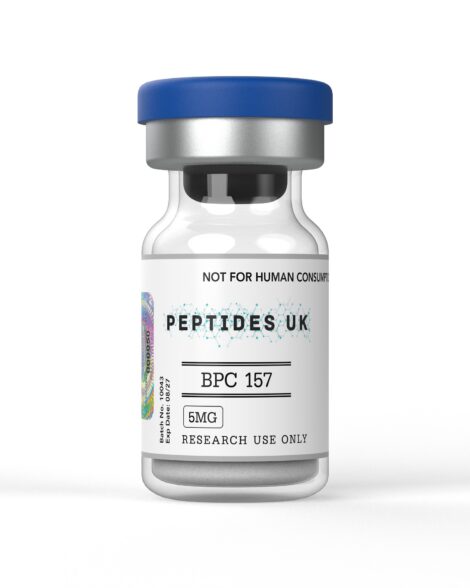
HMG (Human Menopausal Gonadotropin) is a naturally derived gonadotropin preparation containing follicle-stimulating hormone (FSH) and luteinising hormone (LH) activity, available to buy in Europe for laboratory research into gonadotropin receptor pharmacology, folliculogenesis, steroidogenesis, reproductive endocrinology, and hypothalamic-pituitary-gonadal axis biology.
Laboratories and research institutions across the EU can order verified, research-grade HMG with fast international dispatch to Europe, full batch documentation, and verified purity confirmed by analytical testing.
✅ Verified Purity — Analytically Tested
✅ Batch-Specific Certificate of Analysis (CoA)
✅ Sterile Lyophilised Powder | GMP Manufactured
✅ Fast Dispatch to EU & Europe | Tracked Shipping
HMG (Human Menopausal Gonadotropin) is a purified gonadotropin preparation extracted from the urine of post-menopausal women — who produce elevated levels of FSH and LH due to the loss of negative feedback from ovarian oestrogen and inhibin following menopause. The resulting preparation contains both follicle-stimulating hormone (FSH) and luteinising hormone (LH) biological activity — typically in an approximately 1:1 ratio — making it a naturally derived dual gonadotropin research tool that mirrors the combined FSH/LH hormonal environment driving gonadal function in the intact hypothalamic-pituitary-gonadal (HPG) axis.
FSH and LH are glycoprotein hormones produced by pituitary gonadotroph cells in response to hypothalamic GnRH stimulation — sharing a common alpha subunit but with distinct beta subunits conferring receptor specificity. FSH acts through FSHR on ovarian granulosa cells and testicular Sertoli cells to drive follicle development, granulosa cell proliferation, aromatase expression, and oestrogen production in females — and spermatogenesis support in males. LH acts through LHR on ovarian theca cells and testicular Leydig cells to drive androgen production, and at mid-cycle in females triggers the LH surge responsible for ovulation and corpus luteum formation.
HMG’s combined FSH and LH activity makes it a research tool for studying the coordinated effects of both gonadotropin pathways on gonadal cell biology — providing a more physiologically representative hormonal stimulus than either recombinant FSH or LH alone in research applications where both receptor pathways are relevant to the experimental question. Its well-characterised gonadotropin activity profile and its historical role as the foundational clinical gonadotropin preparation have established it as a reference compound in reproductive endocrinology research across European laboratories.
In laboratory settings, HMG is studied as a combined FSH/LH gonadotropin preparation with broad reproductive endocrinology research applications. EU and European researchers working with HMG typically focus on:
All research applications are for in vitro and pre-clinical use only.
HMG has an extensive research literature spanning reproductive endocrinology, gonadotropin receptor pharmacology, and reproductive biology — with decades of pre-clinical and clinical investigation establishing its biological profile and research utility.
Gonadotropin receptor biology: Studies using HMG and its purified FSH and LH components have comprehensively characterised FSHR and LHR receptor pharmacology — including receptor binding kinetics, downstream cAMP/PKA signalling cascades, and the gene expression programmes activated by gonadotropin receptor stimulation in granulosa, theca, Sertoli, and Leydig cell populations. This receptor biology literature provides the mechanistic foundation for interpreting HMG’s combined gonadotropin effects in research settings.
Folliculogenesis research: A large body of pre-clinical and clinical literature has characterised HMG’s effects on follicular development — documenting dose-dependent follicle recruitment, granulosa cell proliferation, oestradiol production, and follicular maturation parameters. These findings have established HMG as the reference combined gonadotropin preparation for folliculogenesis research and controlled ovarian stimulation biology.
Steroidogenesis studies: Studies examining HMG’s effects on gonadal steroidogenesis have characterised the two-cell model of ovarian steroid production — documenting LH-driven androgen production in theca cells and FSH-driven aromatase-mediated conversion to oestrogen in granulosa cells as complementary and interdependent processes. These mechanistic steroidogenesis findings have established HMG as a research tool for studying the coordinated gonadotropin requirements of ovarian sex steroid production.
Spermatogenesis research: Studies examining HMG in male reproductive biology have characterised its ability to support spermatogenesis through combined Sertoli cell FSH stimulation and Leydig cell LH-driven testosterone production — with findings in gonadotropin-deficient animal models documenting the relative contributions of FSH versus LH to different stages of spermatogenesis.
Comparative gonadotropin pharmacology: Studies comparing HMG to recombinant FSH and recombinant LH preparations have characterised how differences in glycosylation profile, isoform composition, and FSH/LH ratio influence receptor activation kinetics, biological potency, and the pharmacodynamic profile of gonadotropin stimulation in reproductive biology research models.
HPG axis research: Studies using HMG in HPG axis research have characterised the gonadal hormone responses to combined gonadotropin stimulation and the negative feedback mechanisms through which gonadal steroids and peptide hormones regulate pituitary gonadotropin secretion — contributing to understanding of the regulatory biology of the reproductive endocrine axis.
| Compound | Type | FSH Activity | LH Activity | Key Research Application |
|---|---|---|---|---|
| HMG | Urine-derived combined gonadotropin | Yes — ~1:1 ratio | Yes — ~1:1 ratio | Combined FSH/LH gonadotropin biology, folliculogenesis, steroidogenesis |
| Recombinant FSH (rFSH) | Single recombinant gonadotropin | High — pure FSH | None | Isolated FSH receptor pharmacology, folliculogenesis |
| Recombinant LH (rLH) | Single recombinant gonadotropin | None | High — pure LH | Isolated LH receptor pharmacology, steroidogenesis |
| HCG | Placental gonadotropin | None | LH-like — LHR agonist | LH receptor biology, luteinisation, corpus luteum research |
| GnRH | Hypothalamic decapeptide | Indirect — via pituitary | Indirect — via pituitary | HPG axis regulation, pituitary gonadotroph biology |
| Kisspeptin | Hypothalamic neuropeptide | Indirect — via GnRH | Indirect — via GnRH | GnRH pulse regulation, HPG axis upstream biology |
Every order of HMG dispatched to EU and European research institutions includes:
Yes. We supply research-grade HMG with fast tracked dispatch to all EU member states and wider European destinations. All orders include full batch documentation. HMG is supplied strictly for laboratory research use only.
HMG contains both FSH and LH activity in approximately a 1:1 ratio — making it suitable for research requiring combined gonadotropin stimulation. Recombinant FSH provides pure FSH receptor activation with no LH activity — used when isolated FSH receptor pharmacology is the research objective. The two are complementary tools for studying FSH-only versus combined gonadotropin biology.
HMG provides combined FSH and LH activity. HCG (human chorionic gonadotropin) provides LH-like activity only — binding and activating the LH receptor but with a substantially longer half-life than native LH. HCG is used as an LH receptor agonist reference compound, while HMG is used when combined FSH/LH gonadotropin stimulation is required.
The two-cell model describes how ovarian oestrogen production requires coordinated FSH and LH activity across two cell types — LH driving androgen production in theca cells and FSH driving aromatase-mediated conversion of those androgens to oestrogen in granulosa cells. HMG’s combined FSH/LH activity provides both signals simultaneously — making it the reference tool for studying this coordinated steroidogenesis model in ovarian biology research.
Standard HMG contains both FSH and LH activity alongside urinary protein impurities from the extraction source. Highly purified HMG (HP-HMG) undergoes additional purification steps to remove urinary proteins while retaining the FSH/LH activity profile. HP-HMG provides a cleaner preparation for research applications where urinary protein contaminants may confound experimental results.
HMG provides the peripheral gonadotropin stimulus that would normally be produced by pituitary gonadotroph cells in response to hypothalamic GnRH. In HPG axis research, HMG is used to examine the gonadal responses to exogenous gonadotropin stimulation — bypassing the hypothalamic and pituitary components to study the gonadal tier of the axis in isolation.
Reconstitute with sterile water or appropriate laboratory buffer by adding the solvent slowly down the vial wall and swirling gently. Prepare at your required concentration, aliquot, and store at -80°C. Standard protein handling protocols apply — avoid repeated freeze-thaw cycles.
Delivery to EU and European destinations typically takes 3–7 working days via tracked international courier, with packaging maintaining preparation integrity throughout transit.
| Parameter | Detail |
|---|---|
| Type | Naturally Derived Combined Gonadotropin Preparation |
| Source | Purified from post-menopausal human urine |
| FSH Activity | Present — approximately 1:1 FSH/LH ratio |
| LH Activity | Present — approximately 1:1 FSH/LH ratio |
| Primary Research Interest | Folliculogenesis, steroidogenesis, HPG axis biology, reproductive endocrinology |
| Purity | Verified by analytical testing |
| Form | Sterile Lyophilised Powder |
| Solubility | Sterile water or laboratory buffer |
| Storage | -20°C, protected from light and moisture |
| Intended Use | Research use only |
HMG is supplied exclusively for legitimate scientific research conducted within licensed laboratory environments. This product is not approved for human consumption, self-administration, or any therapeutic, clinical, or veterinary application. It must be handled solely by qualified researchers in compliance with applicable EU regulations, national legislation, and institutional ethics guidelines. By purchasing, you confirm this compound will be used exclusively for approved in vitro or pre-clinical research purposes.
Receive News
