PRODUCTS SOLD ON PEPTIDESLABEU.COM ARE FOR RESEARCH PURPOSES ONLY AND ARE NOT FOR HUMAN OR VETERINARY USE.
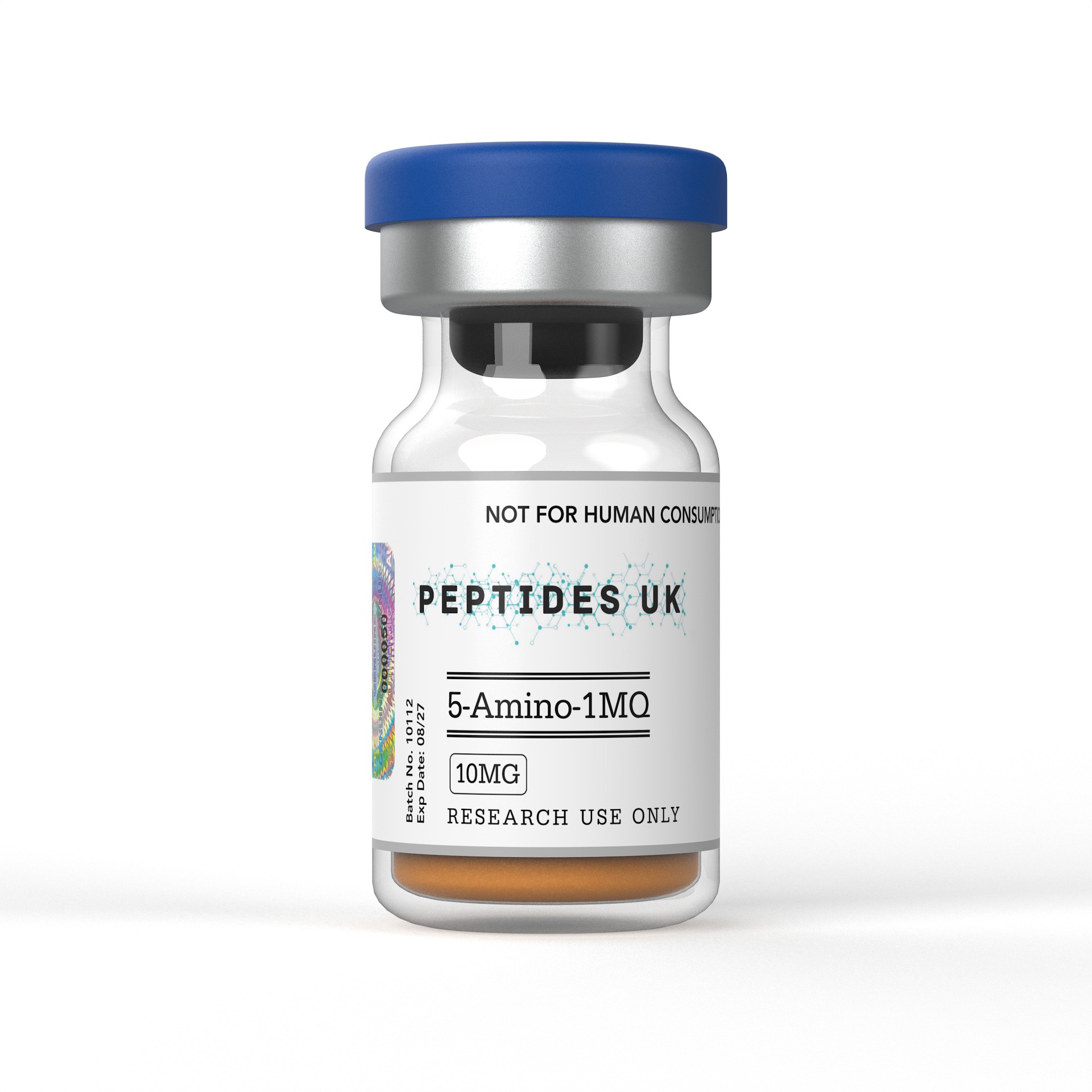
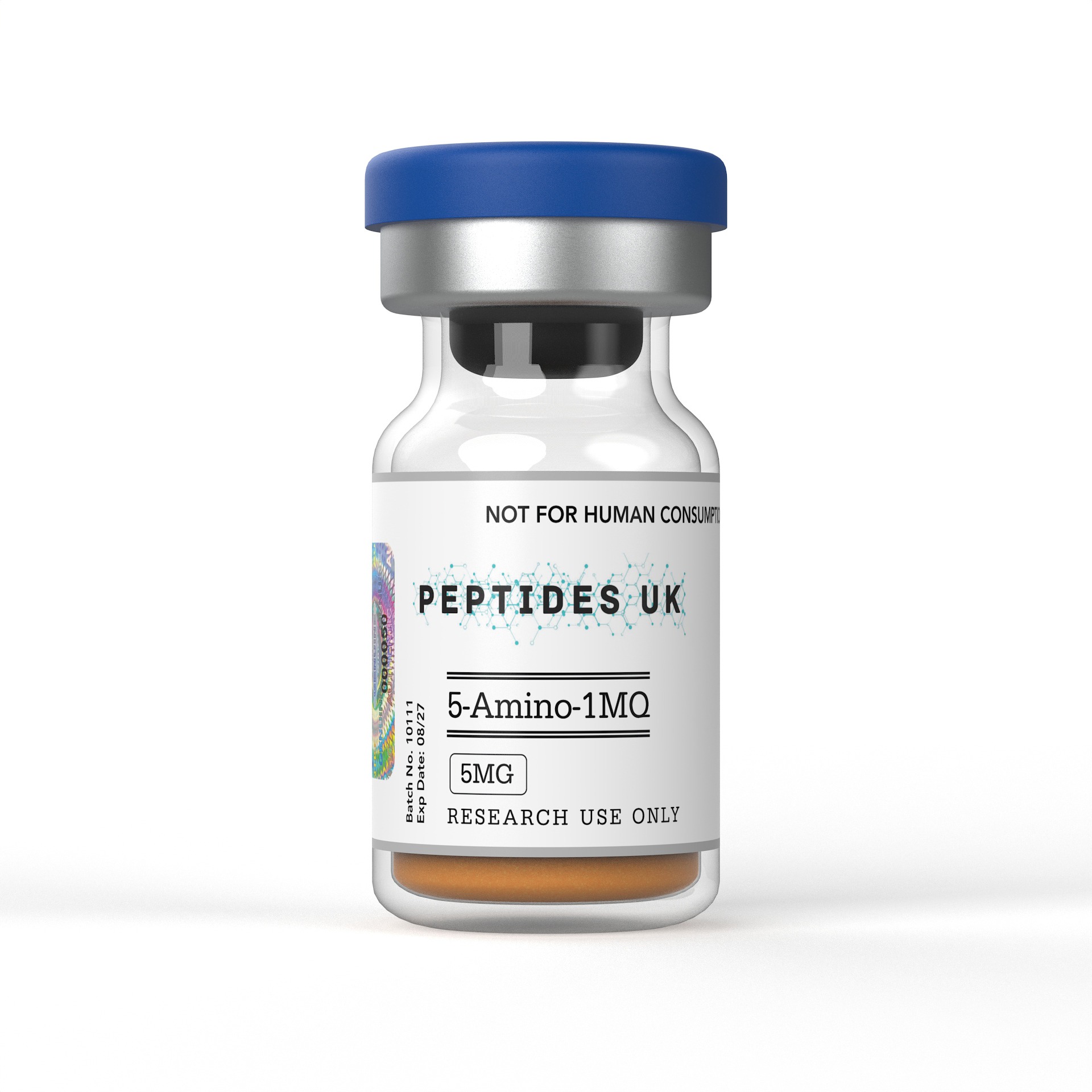
€18.50 – €34.00Price range: €18.50 through €34.00
5-Amino-1MQ EU – Buy Online | In Stock & Ready to Ship
Buy 5-Amino-1MQ in Europe with fast shipping and guaranteed ≥99% purity — verified with COA and HPLC documentation. A trusted choice for peptides EU research teams rely on, with no customs delays or lengthy international wait times. Whether you’re searching for 5-Amino-1MQ Europe suppliers, looking to buy 5-Amino-1MQ in the EU, or sourcing peptides Europe-wide, we have you covered. Research teams across the EU can count on consistent stock, rapid fulfilment and full batch documentation every time.
For research use only. Not intended for human or veterinary use.

5-Amino-1MQ (5-Amino-1-methylquinolinium) is a synthetic small molecule NNMT (Nicotinamide N-methyltransferase) inhibitor, available to buy in Europe for laboratory research into metabolic regulation, adipogenesis, NAD+ biology, epigenetic signalling, and the emerging field of NNMT inhibition as a pharmacological strategy for studying obesity-associated metabolic dysfunction.
Laboratories and research institutions across the EU can order verified, research-grade 5-Amino-1MQ with fast international dispatch to Europe, full batch documentation, and ≥99% purity confirmed by HPLC and Mass Spectrometry.
✅ ≥99% Purity — HPLC & Mass Spectrometry Verified
✅ Batch-Specific Certificate of Analysis (CoA)
✅ High-Purity Small Molecule | GMP Manufactured
✅ Fast Dispatch to EU & Europe | Tracked Shipping
5-Amino-1MQ (5-Amino-1-methylquinolinium) is a synthetic small molecule inhibitor of Nicotinamide N-methyltransferase (NNMT) — an enzyme that catalyses the methylation of nicotinamide (a form of vitamin B3) using S-adenosylmethionine (SAM) as the methyl donor, producing 1-methylnicotinamide (1-MNA) and S-adenosylhomocysteine (SAH) as products. 5-Amino-1MQ is a charged quinolinium compound that competitively inhibits NNMT by occupying the nicotinamide binding site of the enzyme — blocking its catalytic activity with high potency and selectivity relative to other methyltransferases.
NNMT is an enzyme of significant and growing research interest in metabolic biology — expressed most highly in white adipose tissue and liver, but also found in skeletal muscle, kidney, and multiple cancer tissue types. Its metabolic significance stems from its position at the intersection of two central metabolic regulatory systems: the NAD+ salvage pathway and the SAM-dependent methylation cycle. By consuming nicotinamide — a NAD+ precursor — and SAM — the universal methyl donor — NNMT activity influences both cellular NAD+ availability and the methylation potential of the cell, with downstream consequences for epigenetic regulation, sirtuin activity, and the gene expression programmes controlling metabolic function.
In adipose tissue specifically, NNMT has been characterised as a metabolic regulator whose activity increases in obesity — with elevated adipose NNMT expression associated with reduced NAD+ levels, impaired sirtuin activity, and a gene expression profile favouring fat storage over oxidative metabolism. Studies have documented that NNMT inhibition in adipocytes and adipose tissue drives a shift toward reduced fat cell size, enhanced fatty acid oxidation, increased energy expenditure, and resistance to diet-induced obesity in pre-clinical models — establishing NNMT as a research target of significant interest in obesity and metabolic disease biology.
5-Amino-1MQ’s well-characterised NNMT inhibition profile, cell membrane permeability, and documented metabolic effects in pre-clinical models have made it the most widely used NNMT inhibitor research tool available to European laboratories — providing a practical small molecule probe for studying NNMT biology across metabolic, epigenetic, and cancer research applications.
In laboratory settings, 5-Amino-1MQ is studied primarily as an NNMT inhibitor with downstream consequences for NAD+ metabolism, methylation biology, and adipose tissue function — with research applications extending into epigenetic regulation, cancer biology, and metabolic disease models. EU and European researchers working with 5-Amino-1MQ typically focus on:
All research applications are for in vitro and pre-clinical use only.
5-Amino-1MQ has generated a growing and high-quality research literature since its characterisation as an NNMT inhibitor — with pre-clinical studies establishing its pharmacological profile and documenting metabolic, epigenetic, and cancer biology effects that have positioned it as the leading small molecule tool for NNMT research.
NNMT inhibition characterisation: Foundational biochemical studies characterised 5-Amino-1MQ as a potent competitive NNMT inhibitor — documenting its binding to the nicotinamide substrate site of NNMT with nanomolar to low micromolar potency and establishing its selectivity profile relative to related methyltransferases. These studies established 5-Amino-1MQ as the reference NNMT inhibitor for pre-clinical research and provided the mechanistic basis for interpreting its downstream biological effects.
Adipose tissue and obesity research: A landmark pre-clinical study examined 5-Amino-1MQ in a high-fat diet obesity model — documenting significant reductions in body weight gain, adipose depot mass, and metabolic dysfunction parameters in treated animals compared to controls. The study characterised effects on adipocyte size, metabolic gene expression in adipose tissue, and systemic metabolic parameters — providing the foundational pre-clinical evidence for NNMT inhibition as a metabolic research strategy and establishing 5-Amino-1MQ as the primary tool for this research application.
NAD+ and sirtuin biology: Studies have documented 5-Amino-1MQ-mediated increases in cellular nicotinamide availability and NAD+ levels in treated cells and tissues — with downstream consequences for SIRT1 activity and the epigenetic programmes regulated by NAD+-dependent sirtuin deacylation. These findings have connected NNMT inhibition to the extensively studied NAD+/sirtuin axis in metabolic and ageing biology — positioning 5-Amino-1MQ as a complementary research tool to direct NAD+ precursor supplementation strategies.
Adipogenesis inhibition: Cell culture studies have documented 5-Amino-1MQ inhibition of adipocyte differentiation — with findings showing reduced lipid accumulation, altered adipogenic gene expression including downregulation of PPARγ and FABP4, and changes in the epigenetic landscape of differentiating pre-adipocytes consistent with NNMT inhibition-driven methylation potential changes. These findings have contributed to mechanistic understanding of how NNMT activity regulates the adipogenic programme.
Cancer biology research: Studies examining 5-Amino-1MQ in cancer cell models have characterised effects on proliferation, migration, and metabolic parameters in NNMT-overexpressing cancer cell lines — with findings suggesting that NNMT inhibition reduces the metabolic and epigenetic advantages conferred by elevated NNMT activity in cancer cells. These findings have contributed to growing research interest in NNMT as a cancer metabolism target.
Methylation potential effects: Studies have characterised 5-Amino-1MQ-mediated changes in the SAM/SAH ratio in treated cells — documenting increased methylation potential consistent with reduced NNMT-mediated SAM consumption — with downstream consequences for histone methylation marks and transcriptional programmes in metabolically relevant tissues. These epigenetic findings have connected NNMT inhibition to chromatin biology and provided mechanistic context for the gene expression changes observed in 5-Amino-1MQ-treated cells.
Muscle biology research: Studies examining 5-Amino-1MQ in skeletal muscle cell models have characterised effects on NAD+ metabolism, mitochondrial function parameters, and insulin signalling components — contributing to understanding of how NNMT activity in muscle tissue influences metabolic function and the consequences of its inhibition for muscle metabolic biology.
| Compound | Type | Target | Primary Research Application |
|---|---|---|---|
| 5-Amino-1MQ | Small molecule NNMT inhibitor | NNMT enzyme | Adipose biology, NAD+ salvage, epigenetics, obesity research |
| NMN | NAD+ precursor | NAD+ salvage pathway | Direct NAD+ elevation, sirtuin biology, ageing research |
| NR (Nicotinamide Riboside) | NAD+ precursor | NAD+ salvage pathway | NAD+ biology, mitochondrial function, ageing |
| MOTS-c | Mitochondria-derived peptide | AMPK, folate cycle | Metabolic regulation, insulin sensitivity, exercise biology |
| SLU-PP-332 | Pan-ERR agonist | ERRα/β/γ | Mitochondrial biogenesis, exercise mimetic biology |
| Resveratrol | SIRT1 activator | SIRT1 / PGC-1α | NAD+/sirtuin axis, mitochondrial biology |
Every order of 5-Amino-1MQ dispatched to EU and European research institutions includes:
Yes. We supply research-grade 5-Amino-1MQ with fast tracked international dispatch to all EU member states and wider European destinations including Germany, France, Netherlands, Spain, Italy, Poland, and beyond. All orders include full batch documentation and packaging designed to maintain compound integrity throughout transit. 5-Amino-1MQ is supplied strictly for laboratory research use only.
Nicotinamide N-methyltransferase (NNMT) is an enzyme that methylates nicotinamide — a NAD+ precursor — using SAM as the methyl donor. Its metabolic significance lies in its position at the intersection of two critical regulatory systems: by consuming nicotinamide it reduces NAD+ precursor availability and the downstream activity of NAD+-dependent enzymes including sirtuins, and by consuming SAM it reduces cellular methylation potential and influences the epigenetic landscape. NNMT expression is elevated in obesity and in multiple cancer types — making it a research target of interest in metabolic dysfunction, epigenetic dysregulation, and cancer metabolism biology. 5-Amino-1MQ provides the primary small molecule tool for pharmacologically interrogating NNMT’s biological roles in these contexts.
NAD+ is synthesised from nicotinamide through the salvage pathway — the primary NAD+ biosynthesis route in most mammalian tissues. NNMT competes with this pathway by methylating nicotinamide to 1-methylnicotinamide — diverting nicotinamide away from NAD+ synthesis. By inhibiting NNMT, 5-Amino-1MQ increases nicotinamide availability for the salvage pathway — raising NAD+ levels in cells and tissues where NNMT activity would otherwise reduce NAD+ precursor supply. This NAD+ elevation has downstream consequences for NAD+-dependent enzymes including SIRT1 and other sirtuins — connecting NNMT inhibition to the extensively researched NAD+/sirtuin metabolic regulatory axis.
SAM (S-adenosylmethionine) is the universal methyl donor for cellular methylation reactions — including the histone methylation and DNA methylation reactions that constitute epigenetic regulation of gene expression. NNMT consumes SAM in the nicotinamide methylation reaction — reducing the SAM/SAH ratio and the methylation potential of the cell. In adipose tissue, this NNMT-driven reduction in methylation potential has been characterised as influencing histone methylation marks at genes regulating fat cell differentiation and metabolic function. 5-Amino-1MQ inhibition of NNMT restores methylation potential — with downstream consequences for the epigenetic landscape of treated cells that have been characterised in studies examining histone methylation changes and transcriptional programme shifts in adipose tissue models.
5-Amino-1MQ and NMN (nicotinamide mononucleotide) both influence cellular NAD+ levels but through entirely distinct mechanisms. NMN is a direct NAD+ precursor that enters the salvage pathway to increase NAD+ synthesis — providing substrate-level elevation of NAD+. 5-Amino-1MQ inhibits NNMT to reduce nicotinamide diversion away from NAD+ synthesis — increasing NAD+ precursor availability indirectly. The two compounds are complementary rather than equivalent research tools — NMN for studying direct NAD+ precursor supplementation effects, and 5-Amino-1MQ for studying the consequences of NNMT-mediated nicotinamide competition with the salvage pathway. Combined use of the two compounds in research can help dissect the specific contribution of NNMT activity to NAD+ homeostasis in different tissue contexts.
Studies have documented elevated NNMT expression in adipose tissue in obese versus lean states — with higher adipose NNMT activity associated with reduced NAD+ levels, impaired SIRT1 activity, and a gene expression profile favouring adipogenic and inflammatory programmes over oxidative metabolism. This obesity-associated NNMT upregulation has been proposed as a mechanism through which excess nutrient availability drives epigenetic and metabolic changes in adipose tissue that perpetuate metabolic dysfunction. 5-Amino-1MQ provides a pharmacological tool for studying whether NNMT inhibition can reverse these obesity-associated adipose tissue changes — and for characterising the precise mechanisms through which elevated NNMT activity contributes to metabolic dysfunction in dietary obesity models.
5-Amino-1MQ is a charged quinolinium compound with moderate aqueous solubility. It can be dissolved in sterile water or aqueous buffer for cell culture and in vivo research applications — a practical advantage over many small molecule research compounds requiring organic co-solvents. Prepare stock solutions in sterile water or PBS, filter sterilise if required for cell culture use, and store at -20°C protected from light. Refer to the included handling protocol for specific solubility and preparation guidance for your experimental system.
Orders are dispatched promptly via tracked international courier. Delivery to EU and European destinations typically takes 3–7 working days depending on location, with packaging designed to maintain compound stability throughout transit.
| Parameter | Detail |
|---|---|
| Full Name | 5-Amino-1-methylquinolinium |
| Type | Synthetic Small Molecule NNMT Inhibitor |
| Target | Nicotinamide N-methyltransferase (NNMT) |
| Inhibition Mechanism | Competitive — nicotinamide binding site |
| Primary Research Interest | NAD+ biology, adipose metabolism, epigenetics, obesity research |
| Purity | ≥99% |
| Verification | HPLC & Mass Spectrometry |
| Form | Small Molecule Powder |
| Solubility | Aqueous — sterile water or PBS |
| Storage | -20°C, protected from light and moisture |
| Intended Use | Research use only |
5-Amino-1MQ is supplied exclusively for legitimate scientific research conducted within licensed laboratory environments. This product is not approved for human consumption, self-administration, or any therapeutic, clinical, or veterinary application. It must be handled solely by qualified researchers in compliance with applicable EU regulations, national legislation, and institutional ethics guidelines. By purchasing, you confirm this compound will be used exclusively for approved in vitro or pre-clinical research purposes.
WhatsApp us
Receive News
