PRODUCTS SOLD ON PEPTIDESLABEU.COM ARE FOR RESEARCH PURPOSES ONLY AND ARE NOT FOR HUMAN OR VETERINARY USE.
€20.00 Original price was: €20.00.€8.50Current price is: €8.50.
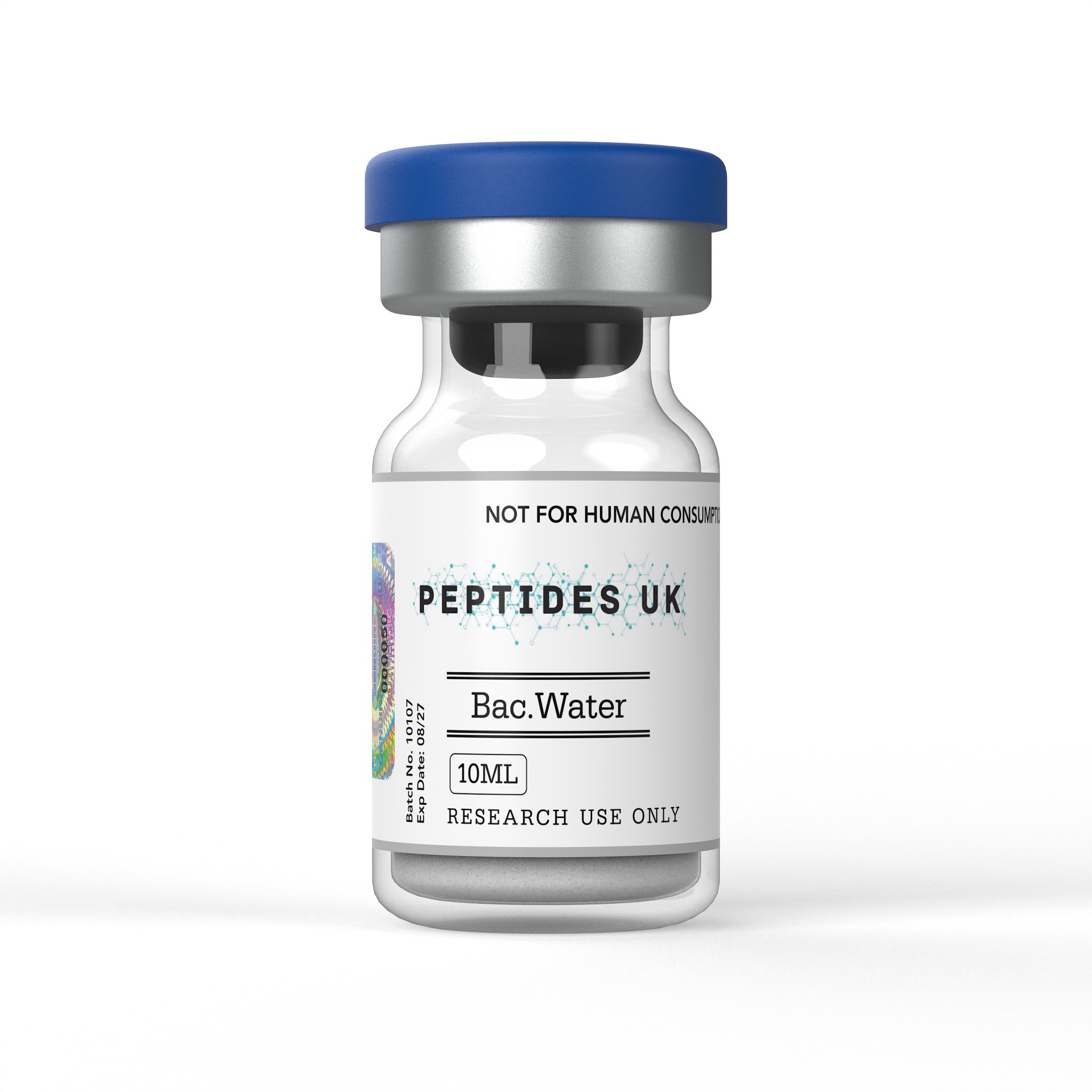
Bacteriostatic Water EU – Buy Online | In Stock & Ready to Ship
Buy Bacteriostatic Water in Europe with fast shipping and guaranteed ≥99% purity — verified with COA and HPLC documentation. A trusted choice for research supplies EU teams rely on, with no customs delays or lengthy international wait times. Whether you’re searching for Bacteriostatic Water Europe suppliers, looking to buy Bacteriostatic Water in the EU, or sourcing research supplies Europe-wide, we have you covered. Research teams across the EU can count on consistent stock, rapid fulfilment and full batch documentation every time.
For research use only. Not intended for human or veterinary use.

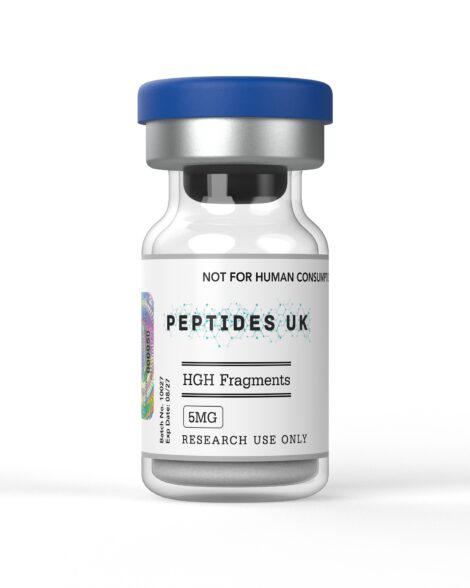

Bacteriostatic Water is a sterile, preserved aqueous solution containing 0.9% benzyl alcohol and the essential reconstitution solvent for research-grade lyophilised peptides and proteins used in laboratories across Europe — enabling safe multi-use vial access over extended periods while maintaining sterility between uses. Research institutions and laboratories across the EU can source verified, research-grade Bacteriostatic Water in Europe with fast domestic dispatch and full batch documentation included.
✅ Sterile 0.9% Benzyl Alcohol Preserved
✅ Batch-Specific Certificate of Analysis (CoA) Included
✅ Non-Pyrogenic | Endotoxin Tested | USP Standard
✅ Fast Dispatch Across EU & Europe | EU Peptides Stock
Bacteriostatic Water is sterile water preserved with 0.9% w/v benzyl alcohol — manufactured to Water for Injection USP standards specifically for the reconstitution and multi-use dilution of lyophilised research peptides and proteins. The benzyl alcohol preservative inhibits bacterial growth in reconstituted solutions, allowing researchers to access the same vial multiple times over an extended period without sterility risk — the key practical advantage that makes it the preferred reconstitution solvent for peptide research across EU and European laboratories.
It is produced to pharmaceutical-grade specifications including endotoxin testing below 0.25 EU/mL, sterility confirmation by membrane filtration, particulate matter compliance, and pH within the 4.5–7.0 range — ensuring it introduces no contamination into reconstituted research compound solutions.
Bacteriostatic Water is not the same as standard distilled water, sterile water for injection, or saline. It is specifically formulated for multi-use peptide reconstitution — and is the correct solvent for the majority of lyophilised research peptides including GH secretagogues, GHRH analogues, GLP-1 receptor agonists, lipolytic fragments, and neuropeptides supplied by EU peptide research suppliers.
In EU and European research laboratories, Bacteriostatic Water is used as the primary reconstitution vehicle across a broad range of lyophilised peptide and protein research compounds:
GH Secretagogue Reconstitution — Bacteriostatic Water is the standard reconstitution solvent for growth hormone secretagogue peptides including GHRP-6, GHRP-2 Acetate, Ipamorelin, and Hexarelin. The benzyl alcohol preservative maintains sterility across multiple withdrawal events — essential for in vivo rodent research protocols requiring daily or twice-daily administration across multi-week study durations from a single reconstituted vial.
GHRH Analogue Reconstitution — Lyophilised GHRH analogue peptides including Sermorelin Acetate, Modified GRF(1-29), and Tesamorelin reconstitute readily in Bacteriostatic Water. The multi-use preservation window is particularly valuable for comparative GHRH analogue research protocols requiring repeated compound withdrawal across dose-response and time-course studies.
GLP-1 Receptor Agonist Reconstitution — Bacteriostatic Water is compatible with GLP-1 receptor agonist peptides including Semaglutide and native GLP-1 for laboratory research use. For GLP-1 and native incretin peptides used in biological assays, DPP-IV inhibitor supplementation remains necessary when adding reconstituted peptide to biological matrices — Bacteriostatic Water itself contains no DPP-IV activity.
Incretin and Metabolic Peptide Reconstitution — Tirzepatide and related dual incretin receptor research peptides reconstitute in Bacteriostatic Water when supplemented with 0.1% BSA carrier protein to maintain the fatty acid conjugate in soluble albumin-bound form at working concentrations.
Lipolytic Fragment Reconstitution — HGH Fragment 176-191 and AOD9604 reconstitute in Bacteriostatic Water with one important requirement — the solvent must be confirmed free of reducing agents, as both peptides contain disulphide bridges essential for lipolytic potency. Research-grade Bacteriostatic Water manufactured to USP standards contains no reducing agents.
Recombinant Protein Reconstitution — HGH 191AA and EPO 4000IU can be reconstituted in Bacteriostatic Water when supplemented with 0.1% BSA carrier protein to prevent surface adsorption losses and stabilise the protein structure between multi-use access events.
Neuropeptide Reconstitution — DSIP and related neuropeptides reconstitute readily in Bacteriostatic Water. Standard light-protection handling requirements for photosensitive residues such as DSIP’s Trp1 apply regardless of reconstitution vehicle.
PEGylated Peptide Reconstitution — PEG MGF reconstitutes readily in Bacteriostatic Water — the PEGylation substantially improves aqueous solubility, making direct aqueous reconstitution straightforward without acetic acid acidification.
The single most important reason European researchers choose Bacteriostatic Water over unpreserved alternatives is multi-use vial access. A vial of reconstituted peptide preserved with benzyl alcohol can be accessed repeatedly over up to 28 days — whereas a vial reconstituted with unpreserved Sterile Water for Injection must be used immediately or discarded after a single entry to avoid contamination risk.
This matters practically for EU research teams because most pre-clinical peptide research protocols require repeated dosing over days or weeks from the same reconstituted stock — and the cost, time, and wastage of reconstituting fresh vials for every single administration makes unpreserved water impractical as a primary reconstitution solvent for the majority of peptide research applications.
| Solvent | Preservative | Multi-Use | Best Used For |
|---|---|---|---|
| Bacteriostatic Water | 0.9% Benzyl Alcohol | Yes — up to 28 days | Most lyophilised peptides — standard EU research choice |
| Sterile Water for Injection | None | No — single use only | Single-use applications or benzyl alcohol-sensitive assays |
| 0.9% Sodium Chloride (Saline) | None | No | Isotonic in vivo administration — single use |
| 0.1% Acetic Acid Solution | None | No | Hydrophobic peptides requiring acidic pH solubilisation |
| PBS pH 7.4 | None | No | Proteins and neutral pH compounds — single use |
| PBS + 0.1% BSA | None | No | Recombinant proteins — single use with carrier |
| Parameter | Specification |
|---|---|
| Full Name | Bacteriostatic Water for Injection |
| Also Known As | BWFI / Preserved Sterile Water / 0.9% Benzyl Alcohol Water |
| Composition | Water for Injection USP + 0.9% w/v Benzyl Alcohol |
| Benzyl Alcohol | 0.9% w/v — broad-spectrum bacteriostatic preservation |
| pH | 4.5–7.0 |
| Osmolality | Hypotonic — approximately 9 mOsm/kg |
| Endotoxin | ≤0.25 EU/mL — LAL method tested |
| Sterility | Confirmed — membrane filtration to USP requirements |
| Particulate Matter | USP compliant |
| Appearance | Clear, colourless — free of visible particulates |
| Container | Sterile sealed vial — rubber septum for needle access |
| Multi-Use Window | Up to 28 days from first vial entry |
| Storage | 15–30°C room temperature — do not freeze |
| Available Sizes | 10ml, 30ml |
| Dispatch | Fast EU & Europe dispatch |
| Intended Use | Reconstitution of lyophilised research compounds |
Every order of Bacteriostatic Water dispatched across the EU and Europe includes:
✅ Batch-Specific Certificate of Analysis (CoA)
✅ Endotoxin Test Report — LAL method ≤0.25 EU/mL
✅ Sterility Test Report
✅ Benzyl Alcohol Concentration Verification — 0.9% w/v confirmed
✅ Particulate Matter Compliance Report
✅ pH Confirmation
Yes — research-grade Bacteriostatic Water is available to researchers and institutions across the EU and Europe with fast dispatch and full batch documentation included. It is supplied as a reconstitution solvent for lyophilised peptide and protein research compounds used in licensed laboratory environments.
Bacteriostatic Water is used to reconstitute lyophilised research peptides and proteins — dissolving the dry powder into a stable, sterile solution suitable for laboratory research use. The 0.9% benzyl alcohol preservative maintains sterility across multiple vial access events over up to 28 days, making it the standard reconstitution solvent for the majority of peptide research applications across EU laboratories.
Bacteriostatic Water contains 0.9% benzyl alcohol preservative enabling multi-use vial access over up to 28 days. Sterile Water for Injection contains no preservative and must be used immediately upon vial entry or discarded. For most EU peptide research protocols requiring repeated compound withdrawal from a single reconstituted vial, Bacteriostatic Water is the appropriate choice.
Bacteriostatic Water is compatible with the majority of research peptides and proteins. Key compatibility notes: confirm absence of reducing agents before use with disulphide-containing peptides such as HGH Fragment 176-191 and AOD9604; add 0.1% BSA for recombinant proteins such as HGH 191AA and EPO; add 0.1% BSA for fatty acid-conjugated peptides such as Semaglutide and Tirzepatide; and confirm the vial is thiol-free before use with CJC-1295 With DAC to protect the reactive maleimide DAC linker.
The benzyl alcohol preservative maintains bacteriostatic protection for up to 28 days from first vial entry — however the reconstituted peptide’s own chemical stability determines the practical use window. Most lyophilised research peptides reconstituted in Bacteriostatic Water should be aliquoted and stored at -20°C or -80°C per the individual compound’s storage guidance. The 28-day bacteriostatic window is a maximum, not a recommended ambient storage duration.
Allow both the Bacteriostatic Water vial and the peptide vial to reach room temperature before use. Swab the rubber septa of both vials with 70% isopropyl alcohol and allow to dry. Using a sterile syringe, draw the required volume of Bacteriostatic Water and inject it slowly down the inside wall of the peptide vial — do not spray directly onto the lyophilised powder. Swirl gently until fully dissolved — do not shake or vortex. Use a fresh sterile needle for each access event.
Yes — for any in vitro biological assay where reconstituted peptide is added to cell cultures, include matched Bacteriostatic Water vehicle controls at the same final benzyl alcohol concentration as the highest peptide treatment to confirm absence of benzyl alcohol-mediated effects on assay endpoints. At typical research dilutions the final benzyl alcohol concentration is well below ranges associated with cellular effects, but vehicle controls remain essential for rigorous experimental design.
Bacteriostatic Water is supplied for use as a reconstitution and dilution solvent in legitimate scientific research conducted within licensed laboratory environments across the EU and Europe. This product is not intended for human administration or therapeutic application. It must be handled using standard aseptic technique by qualified researchers in compliance with applicable EU regulations and institutional laboratory safety guidelines. By purchasing, you confirm that this product will be used solely for approved laboratory research purposes.


WhatsApp us
Receive News
