PRODUCTS SOLD ON PEPTIDESLABEU.COM ARE FOR RESEARCH PURPOSES ONLY AND ARE NOT FOR HUMAN OR VETERINARY USE.
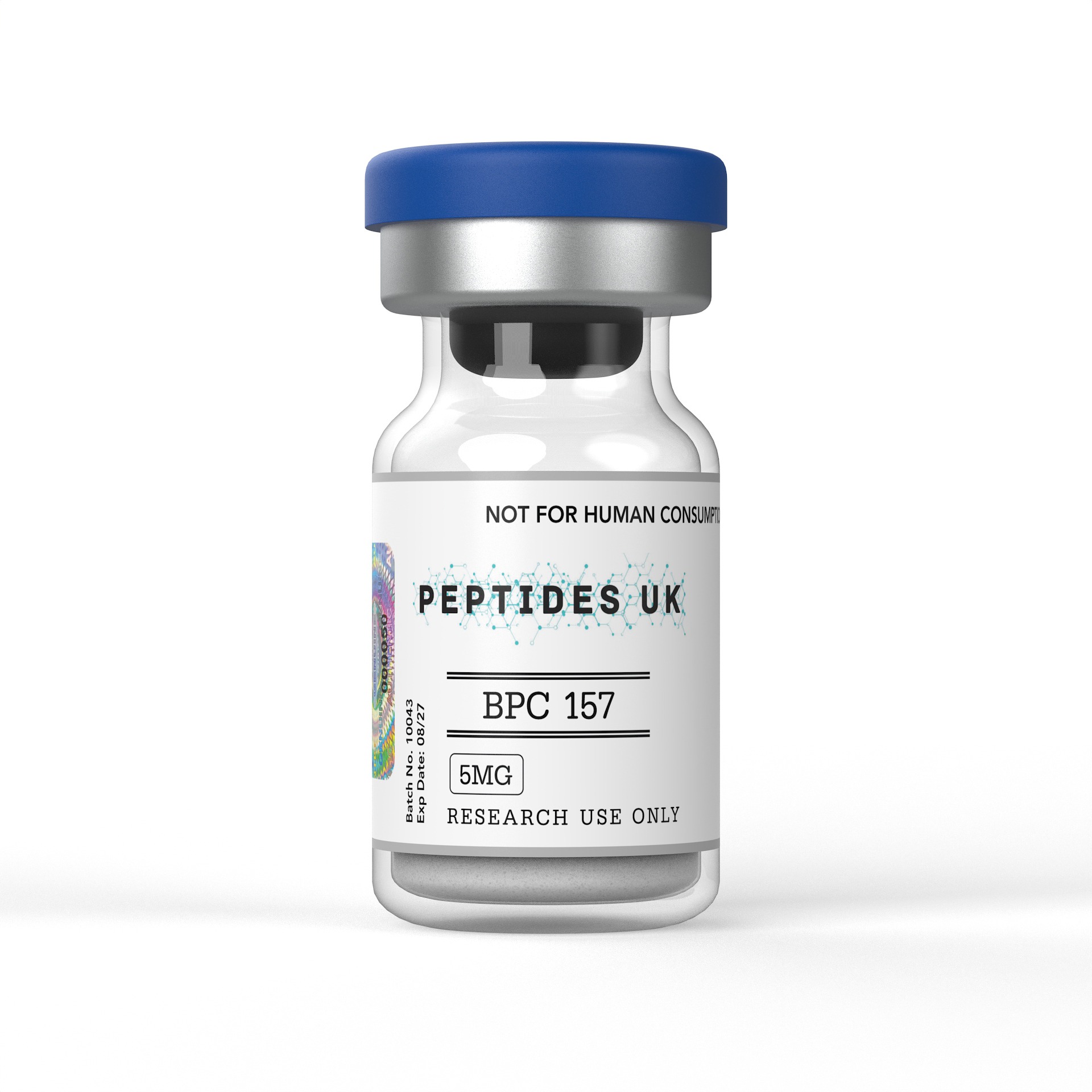
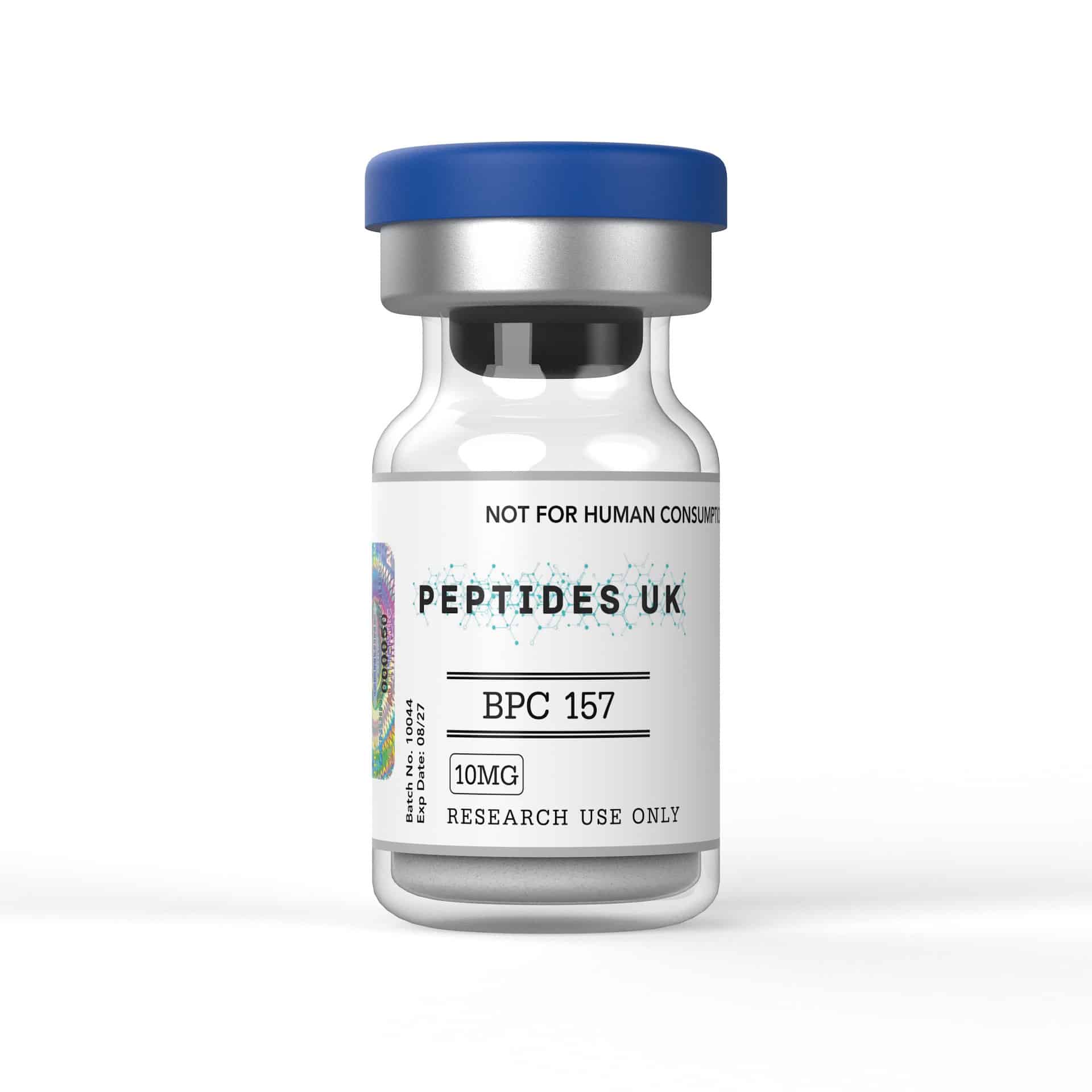
€21.50 – €39.50Price range: €21.50 through €39.50
BPC-157 EU – Buy Online | In Stock & Ready to Ship
Buy BPC-157 in Europe with fast shipping and guaranteed ≥99% purity — verified with COA and HPLC documentation. A trusted choice for peptides EU research teams rely on, with no customs delays or lengthy international wait times. Whether you’re searching for BPC-157 Europe suppliers, looking to buy BPC-157 in the EU, or sourcing peptides Europe-wide, we have you covered. Research teams across the EU can count on consistent stock, rapid fulfilment and full batch documentation every time.
For research use only. Not intended for human or veterinary use.



BPC-157 — Body Protection Compound 157, a synthetic pentadecapeptide derived from a protective protein found in gastric juice — is one of the most extensively studied tissue repair and regenerative biology research peptides available to laboratories across Europe, investigated across wound healing, tendon and ligament repair, angiogenesis, gastrointestinal protection, neuroprotection, and anti-inflammatory biology in a broad range of pre-clinical research models. Research institutions and laboratories across the EU can source verified, research-grade BPC-157 in Europe with fast dispatch and full batch documentation included.
✅ ≥99% Purity — HPLC & Mass Spectrometry Verified
✅ Batch-Specific Certificate of Analysis (CoA) Included
✅ Sterile Lyophilised Powder | GMP Manufactured
✅ Fast Dispatch Across EU & Europe | EU Peptides Stock
BPC-157 — Body Protection Compound 157, sequence Gly-Glu-Pro-Pro-Pro-Gly-Lys-Pro-Ala-Asp-Asp-Ala-Gly-Leu-Val — is a synthetic 15-amino acid peptide derived from a partial sequence of the human gastric BPC protein, a naturally occurring protective protein isolated from human gastric juice. It was developed as a stable research compound from this gastric-origin sequence and has since become one of the most widely referenced tissue repair peptides in the pre-clinical research literature — studied across an unusually broad range of biological contexts spanning gastrointestinal biology, musculoskeletal repair, neurological protection, and systemic anti-inflammatory activity.
BPC-157 does not have a single characterised receptor — its biological activity has been investigated across multiple receptor interaction candidates including the growth hormone receptor pathway, nitric oxide system, and various growth factor signalling cascades — making it a research compound of significant mechanistic interest for European laboratories studying the intersection of gastric-origin peptide biology and systemic tissue repair signalling. This incompletely characterised receptor biology is itself a primary research motivation for EU institutions — with multiple research groups working to establish the definitive molecular mechanisms underlying BPC-157’s documented pre-clinical biological activity.
BPC-157 is notable for its stability in biological environments — demonstrated resistance to degradation in gastric juice, plasma, and tissue fluids makes it a practically useful research tool for pre-clinical studies across both systemic and local administration routes, and distinguishes it from many other tissue repair peptides that require modification or protection from rapid enzymatic degradation.
In controlled laboratory and pre-clinical research settings across EU and European institutions, BPC-157 is studied across gastrointestinal biology, wound healing, musculoskeletal tissue repair, angiogenesis, neuroprotection, anti-inflammatory biology, and nitric oxide system research:
Gastrointestinal Protection and Gut Biology Research — BPC-157’s gastric origin makes GI biology its most historically characterised research application. Research has examined BPC-157 across a broad range of gastrointestinal protection paradigms — characterising gastroprotective effects against ethanol, NSAID, and stress-induced gastric lesion models, intestinal anastomosis healing acceleration, inflammatory bowel disease model biology, oesophageal lesion repair, and short bowel syndrome adaptation research. Studies have characterised BPC-157’s influence on gastric mucosal cell proliferation, mucus secretion, and mucosal blood flow regulation through nitric oxide pathway interactions — establishing it as the reference synthetic gastric-origin peptide for studying GI tissue repair and mucosal protection biology across European GI research institutions.
Wound Healing and Skin Repair Research — BPC-157 has been studied in dermal wound healing models — characterising effects on wound closure rate, granulation tissue formation, fibroblast migration and proliferation, collagen synthesis stimulation, and the coordination of angiogenic and matrix-remodelling biology in healing wounds. Research has examined BPC-157’s wound healing biology in both excisional and incisional wound models — documenting accelerated wound closure and improved wound tensile strength relative to vehicle controls and characterising the growth factor expression changes including VEGF and EGF upregulation driving BPC-157-associated wound healing improvements. These wound healing studies have established BPC-157 as a tissue repair research tool with biology extending well beyond its gastric origin into systemic wound healing applications.
Tendon, Ligament, and Musculoskeletal Repair Research — Tendon and ligament repair biology is one of the most extensively characterised pre-clinical research applications of BPC-157 in the European research literature. Research has examined BPC-157 in rodent tendon transection, Achilles tendon injury, medial collateral ligament repair, and rotator cuff damage models — characterising accelerated tendon-to-bone healing, improved collagen fibril organisation in healing tendons, enhanced tenocyte proliferation and migration, and restored mechanical properties in BPC-157-treated musculoskeletal injury preparations. Studies have also characterised BPC-157’s effects on bone healing — examining fracture callus formation, osteoblast biology, and the contribution of BPC-157-driven angiogenesis to improved bone repair outcomes. These musculoskeletal biology studies have established BPC-157 as the primary reference synthetic peptide for studying gastric protein-derived peptide effects on connective tissue repair across EU orthopaedic and sports medicine research contexts.
Angiogenesis and Vascular Biology Research — BPC-157 promotes angiogenesis — stimulating new blood vessel formation through VEGF upregulation, endothelial cell proliferation and migration, and tube formation in endothelial cell models. Research has characterised BPC-157’s angiogenic biology — examining VEGF and related pro-angiogenic factor expression kinetics, endothelial cell tube formation in Matrigel assays, in vivo neovascularisation in wound healing and tissue repair paradigms, and the contribution of BPC-157-driven angiogenesis to the tissue repair outcomes observed across its multiple research application areas. The angiogenic biology of BPC-157 is considered a primary mechanism linking its diverse tissue repair effects — newly formed vasculature providing the nutrient and oxygen supply essential for tissue regeneration across skin, musculoskeletal, gastrointestinal, and neural repair contexts.
Neuroprotection and Neural Repair Research — BPC-157 has been characterised in multiple neuroprotection and neural repair paradigms — including traumatic brain injury models, spinal cord injury research, peripheral nerve crush and transection models, and excitotoxic and oxidative neuronal injury paradigms. Research has documented BPC-157’s neuroprotective biology — characterising reduced neuronal death under excitotoxic challenge, improved functional recovery in spinal cord injury models, peripheral nerve regeneration acceleration, and cognitive function preservation in brain injury paradigms. Studies have examined the molecular basis of BPC-157 neuroprotection — characterising interactions with the dopaminergic and serotonergic neurotransmitter systems, nitric oxide pathway modulation in neural tissue, and growth factor upregulation in neural repair contexts. These neuroprotection studies have extended BPC-157’s research significance beyond peripheral tissue repair into central and peripheral nervous system biology.
Anti-Inflammatory Biology and Immune Modulation Research — BPC-157 produces anti-inflammatory effects across multiple research models — suppressing pro-inflammatory cytokine production, modulating macrophage activation, reducing inflammatory mediator-driven tissue damage, and attenuating systemic inflammatory responses in a range of acute and chronic inflammatory pre-clinical paradigms. Research has characterised BPC-157’s anti-inflammatory biology — examining NF-kB pathway modulation, pro-inflammatory cytokine suppression in macrophage and monocyte models, neutrophil activity modulation, and the anti-inflammatory biology underlying BPC-157’s gastroprotective and tissue repair-promoting effects. These anti-inflammatory studies have contributed to understanding of how BPC-157’s inflammation-resolving biology coordinates with its angiogenic and matrix-remodelling effects to produce net tissue repair outcomes.
Nitric Oxide System Research — BPC-157’s interactions with the nitric oxide system are among its most studied molecular-level biology — with research characterising BPC-157’s effects on eNOS expression and activity, nitric oxide production in vascular and gastric tissue, and the role of NO pathway modulation in mediating BPC-157’s gastroprotective, angiogenic, and tissue repair-promoting biological effects. Research has used NOS inhibitor studies to examine how much of BPC-157’s biological activity is NO-pathway dependent — establishing a mechanistic framework for understanding the relationship between BPC-157, nitric oxide biology, and the downstream tissue repair and protective effects documented across pre-clinical research models.
Dopaminergic and Serotonergic Neurotransmitter System Research — BPC-157 has been characterised as modulating dopaminergic and serotonergic neurotransmitter systems — with research documenting interactions with dopamine and serotonin receptor biology, effects on neurotransmitter metabolism, and functional consequences for behaviour and neurological outcomes in pre-clinical models. Studies have examined BPC-157 in the context of dopaminergic lesion models — characterising protective effects against dopamine system toxin-induced damage — and in anxiety, depression, and stress biology paradigms through serotonergic system interaction. These neurotransmitter biology studies have contributed to establishing BPC-157 as a research tool with relevance to neuropsychiatric and neurodegenerative biology beyond its primary tissue repair applications.
Research conducted across European and international institutions has produced a substantial and growing pre-clinical profile for BPC-157:
Gastrointestinal protection research has consistently documented BPC-157’s gastroprotective biology across multiple GI lesion models — with studies characterising significant protection against ethanol, indomethacin, and stress-induced gastric mucosal damage, improved intestinal healing in anastomosis models, and IBD model attenuation. These GI biology studies represent the most extensively replicated area of BPC-157 research and establish its gastric origin peptide identity as pharmacologically relevant to its GI biology.
Tendon and ligament repair research has produced a substantial body of pre-clinical documentation — with studies across rodent tendon transection and ligament injury models consistently reporting accelerated repair, improved mechanical properties of healed tissue, and enhanced collagen organisation in BPC-157-treated animals relative to controls. This musculoskeletal repair biology has made BPC-157 the most studied synthetic peptide for connective tissue repair in the EU research literature.
Angiogenesis research has documented BPC-157-driven neovascularisation — characterising VEGF upregulation, endothelial tube formation, and in vivo blood vessel formation contributing to tissue repair outcomes across wound healing, musculoskeletal, and gastrointestinal repair paradigms. The consistency of angiogenic biology across multiple tissue contexts has supported the hypothesis that BPC-157’s diverse tissue repair effects are substantially mediated through a common pro-angiogenic mechanism.
Neuroprotection research has documented BPC-157’s neural protective biology — characterising reduced neuronal death in excitotoxic models, improved recovery in spinal cord and peripheral nerve injury paradigms, and dopaminergic system protection in neurotoxin models. These neuroprotection findings have broadened BPC-157’s research relevance from peripheral tissue repair to central and peripheral nervous system biology across EU neuroscience research groups.
Nitric oxide system research has established NO pathway interactions as a key component of BPC-157’s molecular biology — with NOS inhibitor studies demonstrating partial dependence of gastroprotective and tissue repair effects on nitric oxide system engagement and contributing to the mechanistic framework for understanding BPC-157’s incompletely characterised receptor biology.
| Feature | BPC-157 | GHK-Cu | TB-500 (Thymosin Beta-4) | PEG MGF | Ipamorelin |
|---|---|---|---|---|---|
| Type | Synthetic 15-aa gastric protein-derived pentadecapeptide | Endogenous tripeptide-copper(II) complex | Synthetic thymosin beta-4 C-terminal fragment — actin-binding | PEGylated MGF E-domain 24-aa peptide | Synthetic pentapeptide selective GHS-R1a agonist |
| Primary Mechanism | Multi-pathway — NO system + VEGF + growth factor upregulation + neurotransmitter modulation — receptor incompletely characterised | Copper-mediated — TGF-beta + VEGF + NGF + antioxidant enzyme + gene regulation | Actin sequestration → cell migration + angiogenesis + tissue repair | IGF-1 splice variant E-domain → satellite cell activation + muscle repair | GHS-R1a → GH secretion → systemic anabolic and repair biology |
| GI Protection | Yes — primary application | Limited | Limited | No | Limited indirect |
| Tendon / Ligament Repair | Yes — extensively characterised | Limited direct | Yes — actin-mediated cell migration | Limited | Indirect via GH |
| Angiogenesis | Yes — VEGF upregulation | Yes — VEGF + FGF-2 | Yes — primary mechanism | Limited direct | Indirect via GH/IGF-1 |
| Neuroprotection | Yes — dopaminergic + serotonergic | Yes — NGF + neurite outgrowth | Limited | No | Limited |
| Anti-Inflammatory | Yes — pronounced | Yes — cytokine suppression | Moderate | Limited | Limited |
| Gene Regulation | Limited characterised | Yes — 4,000+ genes | Limited | Limited | Limited |
| Receptor Characterisation | Incompletely characterised — active research area | Multi-pathway copper-mediated | Actin-G/F ratio modulation | MGF-specific + IGF-1R | GHS-R1a — fully characterised |
| Key Research Distinction | Broadest pre-clinical tissue repair profile of any gastric-derived peptide — GI + musculoskeletal + neural + angiogenic — NO system reference | Endogenous copper peptide — broadest gene regulatory biology | Actin-mediated cell migration and angiogenesis reference | Only long-acting MGF E-domain compound — satellite cell activation | Selective GHS-R1a reference — GH axis without cortisol confound |
| Parameter | Specification |
|---|---|
| Full Name | BPC-157 / Body Protection Compound 157 |
| Also Known As | PL-10 / Bepecin / Gly-Glu-Pro-Pro-Pro-Gly-Lys-Pro-Ala-Asp-Asp-Ala-Gly-Leu-Val |
| Sequence | Gly-Glu-Pro-Pro-Pro-Gly-Lys-Pro-Ala-Asp-Asp-Ala-Gly-Leu-Val |
| Type | Synthetic 15-Amino Acid Gastric Protein-Derived Pentadecapeptide — Tissue Repair Research Compound — Research Grade |
| Molecular Weight | 1419.5 Da |
| Mechanism | Multi-pathway — nitric oxide system modulation + VEGF upregulation + growth factor signalling + neurotransmitter system interaction — receptor biology incompletely characterised |
| Biological Stability | Stable in gastric juice, plasma, and tissue fluids — resistant to enzymatic degradation |
| Key Research Distinction | Most extensively pre-clinically characterised gastric protein-derived tissue repair peptide — GI protection + musculoskeletal repair + angiogenesis + neuroprotection + NO system biology |
| Primary Research Areas | GI protection / wound healing / tendon and ligament repair / angiogenesis / neuroprotection / anti-inflammatory biology / NO system / dopaminergic and serotonergic neurotransmitter biology |
| Purity | ≥99% HPLC & MS Verified |
| Form | Sterile Lyophilised Powder |
| Solubility | Sterile water or bacteriostatic water — good aqueous solubility |
| Storage (Powder) | -20°C, protect from light and moisture |
| Storage (Reconstituted) | 4°C up to 7 days / -20°C single-use aliquots — avoid repeated freeze-thaw |
| Available Sizes | 5mg, 10mg, 20mg |
| Dispatch | Fast EU & Europe dispatch |
| Intended Use | Research use only |
Every order of BPC-157 dispatched across the EU and Europe includes:
✅ Batch-Specific Certificate of Analysis (CoA)
✅ HPLC Chromatogram
✅ Mass Spectrometry Confirmation — full sequence verification
✅ Sterility & Endotoxin Testing Report
✅ Reconstitution Protocol
✅ Technical Research Support
Yes — research-grade BPC-157 is available to researchers and institutions across the EU and Europe with fast dispatch and full batch documentation included. Supplied strictly for laboratory research purposes only.
BPC-157 is a synthetic 15-amino acid peptide derived from a partial sequence of the Body Protection Compound protein found naturally in human gastric juice. It was developed as a stable synthetic research compound from this gastric-origin sequence and has been studied extensively in pre-clinical models across gastrointestinal, musculoskeletal, neurological, and wound healing research contexts. Its stability in biological environments — including resistance to degradation in gastric juice and plasma — distinguishes it practically from many other research peptides.
The most extensively characterised research applications across EU institutions are gastrointestinal protection biology, tendon and ligament repair, wound healing acceleration, and angiogenesis. BPC-157 is also actively studied for neuroprotection and nitric oxide system interactions. Its breadth of pre-clinical tissue repair biology across multiple organ systems makes it one of the most versatile regenerative biology research peptides available to European laboratories.
BPC-157 does not yet have a single definitively characterised receptor — its biological activity has been investigated across multiple candidate mechanisms including nitric oxide system interactions, growth hormone receptor pathway engagement, and various growth factor signalling cascades. This incompletely characterised receptor biology is itself an active area of EU research, with multiple institutions working to establish the definitive molecular targets underlying BPC-157’s documented pre-clinical biological profile.
BPC-157 and GHK-Cu are both tissue repair research peptides but with distinct mechanistic profiles. BPC-157’s most extensive pre-clinical characterisation is in gastrointestinal protection, tendon and ligament repair, and nitric oxide system biology — GHK-Cu’s most distinctive profile is in collagen synthesis stimulation, broad gene expression regulation across 4,000+ genes, and copper-mediated antioxidant biology. For GI and musculoskeletal repair research, BPC-157 is typically the primary compound — for collagen biology, skin ageing, and antioxidant research, GHK-Cu is the reference compound.
Vehicle controls in matched buffer, NOS inhibitor controls to characterise nitric oxide pathway dependence of observed effects, VEGF receptor inhibitor controls for angiogenesis biology studies, and scrambled sequence peptide controls confirming sequence-specificity of BPC-157 biological effects. For GI protection studies, established gastroprotective reference compounds as positive controls are important for contextualising BPC-157 effect magnitudes.
≥99% purity by HPLC and full sequence mass spectrometry verification is essential — sequence truncation fragments, epimerisation variants, and synthesis byproducts would produce confounded dose-response data and potentially modified biological profiles relative to the correctly sequenced compound. All BPC-157 supplied for European research is verified to ≥99% purity with full 15-amino acid sequence confirmed by mass spectrometry.
BPC-157 is supplied exclusively for legitimate scientific research purposes conducted within licensed laboratory environments across the EU and Europe. This product is not intended for human consumption, self-administration, or any therapeutic application. It must be handled by qualified researchers in compliance with applicable EU regulations and institutional ethics guidelines. By purchasing, you confirm that this compound will be used solely for approved in vitro or pre-clinical research purposes.


WhatsApp us
Receive News
