PRODUCTS SOLD ON PEPTIDESLABEU.COM ARE FOR RESEARCH PURPOSES ONLY AND ARE NOT FOR HUMAN OR VETERINARY USE.

€253.00
Cagrilintide + Semaglutide EU – Buy Online | In Stock & Ready to Ship
Buy Cagrilintide + Semaglutide in Europe with fast shipping and guaranteed ≥99% purity — verified with COA and HPLC documentation. A trusted choice for peptides EU research teams rely on, with no customs delays or lengthy international wait times. Whether you’re searching for Cagrilintide + Semaglutide Europe suppliers, looking to buy Cagrilintide + Semaglutide in the EU, or sourcing peptides Europe-wide, we have you covered. Research teams across the EU can count on consistent stock, rapid fulfilment and full batch documentation every time.
For research use only. Not intended for human or veterinary use.
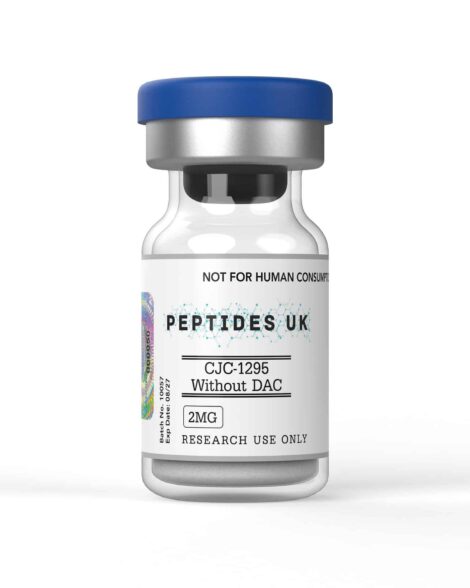

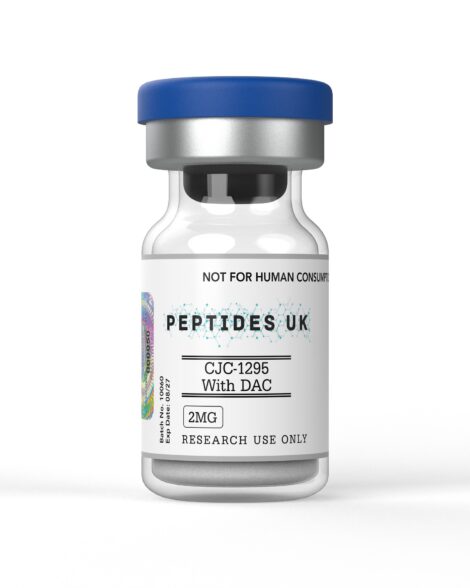
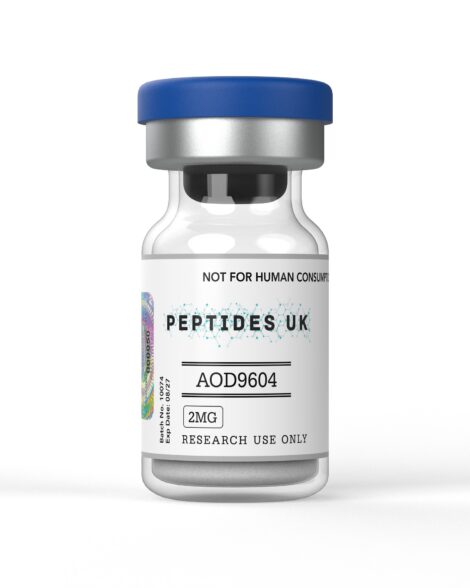
Cagrilintide + Semaglutide (CagriSema) is a dual amylin analogue and GLP-1 receptor agonist peptide combination, available to buy in Europe for laboratory research into metabolic regulation, appetite and energy homeostasis biology, adiposity mechanisms, and the complementary pharmacology of combined amylin and incretin receptor signalling.
Laboratories and research institutions across the EU can order verified, research-grade Cagrilintide and Semaglutide with fast international dispatch to Europe, full batch documentation, and ≥99% purity confirmed by HPLC and Mass Spectrometry.
✅ ≥99% Purity — HPLC & Mass Spectrometry Verified
✅ Batch-Specific Certificate of Analysis (CoA)
✅ Sterile Lyophilised Powder | GMP Manufactured
✅ Fast Dispatch to EU & Europe | Tracked Shipping
Cagrilintide + Semaglutide — referred to in the research literature as CagriSema — is a combination of two distinct synthetic peptide compounds targeting complementary metabolic regulatory pathways: Cagrilintide, a long-acting amylin analogue, and Semaglutide, a GLP-1 receptor agonist. Together they engage two separate but functionally synergistic hormonal systems involved in appetite regulation, gastric emptying, glucose homeostasis, and energy balance — making their combination one of the most actively researched dual-mechanism metabolic peptide combinations in current pre-clinical and clinical investigation.
Cagrilintide is a synthetic long-acting analogue of amylin — the 37 amino acid pancreatic peptide co-secreted with insulin from beta cells in response to nutrient intake. Native amylin acts through amylin receptors (AMY1-3) — which are calcitonin receptor/RAMP complexes — in the area postrema and other brain regions to suppress glucagon secretion, slow gastric emptying, and reduce food intake through satiety signalling. Cagrilintide incorporates fatty acid chain conjugation and amino acid substitutions that confer resistance to enzymatic degradation and enable albumin binding — extending its half-life to approximately one week and providing sustained amylin receptor engagement suitable for research protocols requiring prolonged amylin pathway activation.
Semaglutide is a synthetic GLP-1 receptor agonist — a fatty acid conjugated analogue of glucagon-like peptide-1 (GLP-1), the incretin hormone secreted by intestinal L-cells in response to nutrient ingestion. GLP-1 receptor activation drives insulin secretion, suppresses glucagon release, slows gastric emptying, and — critically — activates hypothalamic and brainstem appetite-suppressing circuits through GLP-1 receptor expression in CNS satiety centres. Semaglutide’s C18 fatty acid conjugation enables albumin binding and protects against DPP-IV degradation — extending its half-life to approximately one week and producing sustained GLP-1R engagement with well-characterised effects on glucose metabolism and appetite regulation.
The combination of these two compounds in CagriSema research targets amylin and GLP-1 receptor pathways simultaneously — pathways that act through distinct but complementary neuronal circuits and peripheral mechanisms to regulate energy homeostasis — producing combined metabolic effects that current research suggests exceed those achievable through either pathway alone.
In laboratory settings, Cagrilintide and Semaglutide are studied individually and in combination, with research applications centred on metabolic regulation, appetite biology, and the pharmacology of combined amylin and GLP-1 receptor signalling. EU and European researchers working with CagriSema typically focus on:
All research applications are for in vitro and pre-clinical use only.
CagriSema has generated a rapidly growing and high-profile research literature — with pre-clinical studies establishing the pharmacological rationale for combining amylin and GLP-1 receptor pathways, and clinical research programmes documenting the metabolic effects of the combination in human subjects at a scale unusual for research-stage peptide combinations.
Pre-clinical combination pharmacology: Foundational pre-clinical studies examining combined amylin and GLP-1 receptor activation provided the mechanistic rationale for CagriSema — documenting that co-administration of amylin and GLP-1 receptor agonists produces greater reductions in food intake and body weight than either compound alone in rodent models. These findings established the biological basis for the combination approach and characterised the complementary neuronal mechanisms through which the two pathways interact.
Cagrilintide pharmacokinetics and amylin biology: Studies characterising Cagrilintide’s pharmacokinetics documented its extended half-life through fatty acid conjugation and albumin binding — establishing it as a practical long-acting amylin analogue research tool. Research has characterised its amylin receptor engagement profile across AMY1, AMY2, and AMY3 receptor subtypes and its downstream effects on glucagon suppression, gastric emptying, and satiety signalling in pre-clinical models.
Semaglutide GLP-1R pharmacology: Semaglutide has one of the most extensively characterised pharmacological profiles of any GLP-1 receptor agonist — with studies documenting its receptor binding kinetics, downstream cAMP/PKA signalling, effects on insulin secretion, glucagon suppression, gastric emptying delay, and central appetite circuit activation. This established pharmacological foundation provides a well-characterised basis for interpreting the additive effects observed in CagriSema combination research.
Clinical combination research: CagriSema has been examined in Phase II clinical trials — with published findings documenting substantial reductions in body weight and improvements in glycaemic parameters in participants with overweight and type 2 diabetes. These clinical findings have positioned CagriSema among the most effective metabolic peptide combinations studied to date and have driven significant research interest in the amylin/GLP-1 dual pathway approach as a model for studying combined hormonal metabolic regulation.
Synergistic weight reduction findings: Research comparing CagriSema combination effects to Semaglutide monotherapy has documented that the addition of Cagrilintide produces greater reductions in body weight and adiposity than Semaglutide alone — findings interpreted as reflecting additive or synergistic engagement of complementary appetite-suppressing circuits. These findings have been central to establishing the scientific rationale for dual amylin/GLP-1 receptor targeting as a research model for studying combined metabolic hormone pharmacology.
Metabolic parameter characterisation: Studies have characterised CagriSema effects on a comprehensive panel of metabolic parameters — including fasting and post-prandial glucose, HbA1c, insulin sensitivity markers, lipid profiles, and body composition measurements — providing a detailed metabolic pharmacodynamic profile for the combination that has informed ongoing research into combined amylin and incretin pathway biology.
| Compound | Targets | Mechanism | Key Research Distinction |
|---|---|---|---|
| CagriSema (Cagrilintide + Semaglutide) | Amylin receptor + GLP-1R | Dual amylin/incretin pathway | Most advanced dual amylin/GLP-1 combination research |
| Semaglutide alone | GLP-1R | GLP-1 receptor agonism | Reference GLP-1R agonist — single pathway |
| Tirzepatide | GLP-1R + GIPR | Dual incretin agonism | GLP-1/GIP dual agonism — distinct combination |
| Retatrutide | GLP-1R + GIPR + GcgR | Triple agonism | GLP-1/GIP/Glucagon triple pathway research |
| Pramlintide | Amylin receptor | Short-acting amylin analogue | Reference amylin analogue — single pathway |
| Liraglutide | GLP-1R | GLP-1 receptor agonism | Earlier GLP-1R agonist — comparative pharmacology |
Every order of Cagrilintide + Semaglutide dispatched to EU and European research institutions includes:
Yes. We supply research-grade Cagrilintide and Semaglutide with fast tracked international dispatch to all EU member states and wider European destinations including Germany, France, Netherlands, Spain, Italy, Poland, and beyond. Each compound is supplied with full batch documentation and packaging designed to maintain peptide integrity throughout transit. Both compounds are supplied strictly for laboratory research use only.
Amylin is a 37 amino acid peptide hormone co-secreted with insulin from pancreatic beta cells in response to food intake. It acts through amylin receptors — complexes formed by calcitonin receptors paired with receptor activity modifying proteins (RAMPs) — in the area postrema, nucleus tractus solitarius, and other brain regions to suppress glucagon secretion, slow gastric emptying, and signal satiety. Native amylin has a very short half-life and limited research utility in extended protocols. Cagrilintide is a long-acting synthetic amylin analogue incorporating amino acid substitutions and fatty acid conjugation that confer enzymatic stability and albumin binding — extending its half-life to approximately one week and providing sustained amylin receptor engagement for pre-clinical research.
Semaglutide and Liraglutide are both GLP-1 receptor agonists but differ in their structural modifications, half-lives, and potency profiles. Liraglutide uses a C16 fatty acid conjugation for albumin binding — producing a half-life of approximately 13 hours. Semaglutide uses a C18 fatty acid conjugation via a linker with additional backbone modifications — producing a half-life of approximately one week and substantially greater GLP-1R potency per unit dose. Semaglutide’s extended half-life makes it the preferred compound for CagriSema combination research — matching the pharmacokinetic profile of long-acting Cagrilintide and enabling once-weekly dosing protocols in pre-clinical research designs.
Amylin and GLP-1 act through distinct receptor systems and neuronal circuits to regulate energy homeostasis — with amylin receptors concentrated in the area postrema and brainstem, and GLP-1 receptors expressed in the hypothalamus, brainstem, and peripheral tissues. Despite their distinct receptor biology, both pathways converge on appetite suppression and metabolic regulation through complementary mechanisms — amylin primarily through glucagon suppression, gastric emptying delay, and brainstem satiety signalling, GLP-1 through insulin secretion enhancement, glucagon suppression, and hypothalamic appetite circuit activation. Research has documented that co-activation of both pathways produces metabolic effects exceeding either pathway alone — a finding that has established the dual amylin/GLP-1 combination as a high-interest research model for studying complementary hormonal metabolic regulation.
CagriSema and Tirzepatide represent two distinct dual-mechanism approaches to metabolic peptide pharmacology. Tirzepatide is a dual GLP-1R/GIPR agonist — combining GLP-1 and GIP receptor activation in a single molecule, engaging two incretin pathways simultaneously. CagriSema combines amylin receptor activation via Cagrilintide with GLP-1R activation via Semaglutide — engaging the amylin pathway alongside the incretin pathway. The two combinations target overlapping but distinct receptor biology and neuronal circuits, and are studied as complementary research models for examining how different combinations of metabolic hormone receptor activation influence energy homeostasis and metabolic parameters.
Allow each vial to reach room temperature before opening. Add sterile water or an appropriate laboratory buffer slowly down the vial wall and swirl gently — do not shake. Both compounds are fatty acid conjugated peptides — prepare stock solutions at your protocol’s required concentration, aliquot, and store at -80°C to minimise freeze-thaw degradation. For combination research protocols, reconstitute each compound separately and combine at the required ratio in the experimental preparation. Standard peptide handling protocols apply for both compounds.
Orders are dispatched promptly via tracked international courier. Delivery to EU and European destinations typically takes 3–7 working days depending on location, with packaging designed to protect peptide stability throughout transit.
| Parameter | Cagrilintide | Semaglutide |
|---|---|---|
| Type | Long-acting amylin analogue | GLP-1 receptor agonist |
| Origin | Synthetic amylin analogue | Synthetic GLP-1 analogue |
| Modification | Fatty acid conjugation, amino acid substitutions | C18 fatty acid conjugation, backbone modification |
| Primary Target | Amylin receptors (AMY1-3) | GLP-1 receptor (GLP-1R) |
| Half-Life | ~1 week | ~1 week |
| Primary Research Interest | Amylin pharmacology, appetite, glucose regulation | GLP-1R pharmacology, incretin biology, metabolic regulation |
| Purity | ≥99% | ≥99% |
| Verification | HPLC & Mass Spectrometry | HPLC & Mass Spectrometry |
| Form | Sterile Lyophilised Powder | Sterile Lyophilised Powder |
| Storage | -20°C, protected from light | -20°C, protected from light |
| Intended Use | Research use only | Research use only |
Cagrilintide and Semaglutide are supplied exclusively for legitimate scientific research conducted within licensed laboratory environments. These products are not approved for human consumption, self-administration, or any therapeutic, clinical, or veterinary application. They must be handled solely by qualified researchers in compliance with applicable EU regulations, national legislation, and institutional ethics guidelines. By purchasing, you confirm these compounds will be used exclusively for approved in vitro or pre-clinical research purposes.

WhatsApp us
Receive News
