PRODUCTS SOLD ON PEPTIDESLABEU.COM ARE FOR RESEARCH PURPOSES ONLY AND ARE NOT FOR HUMAN OR VETERINARY USE.
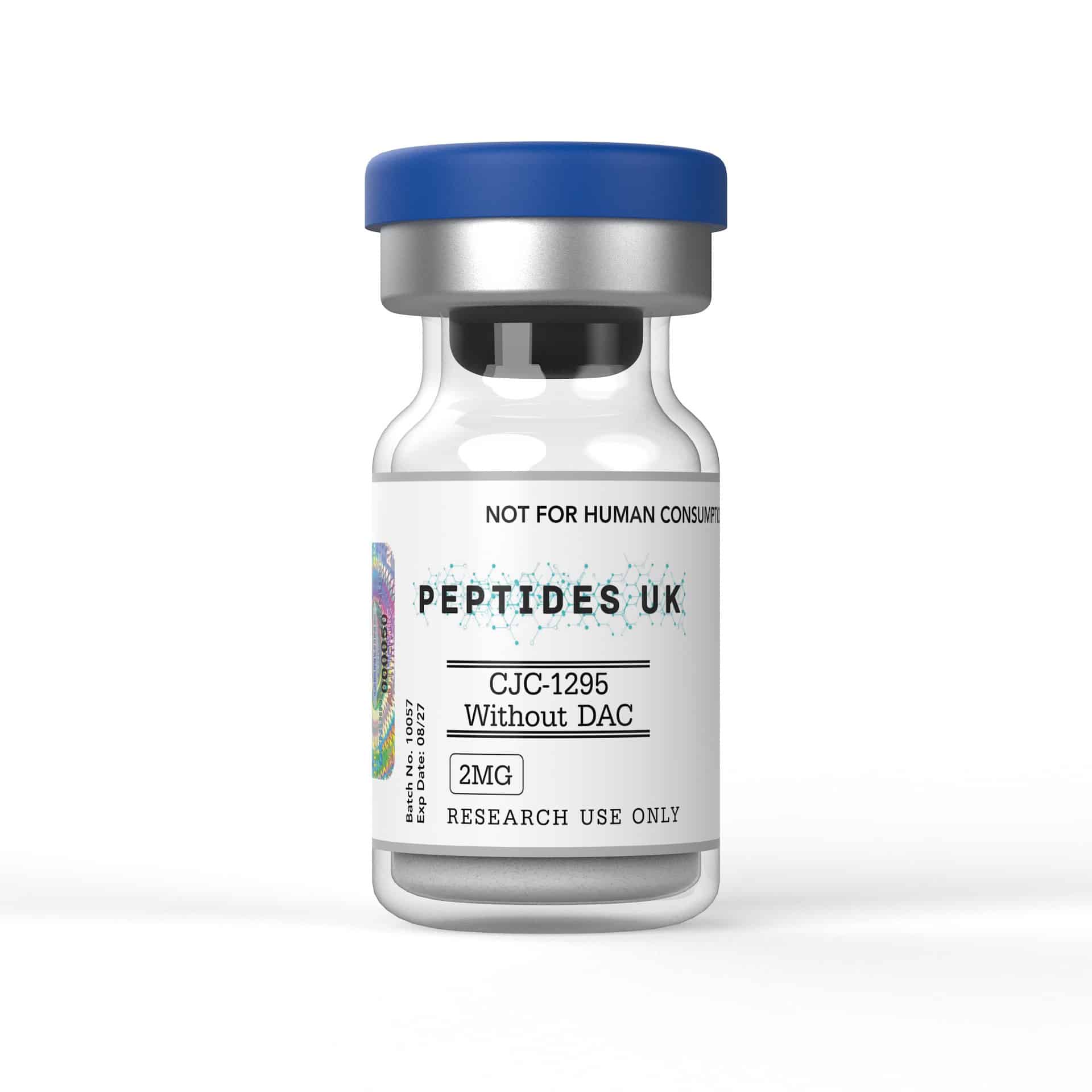
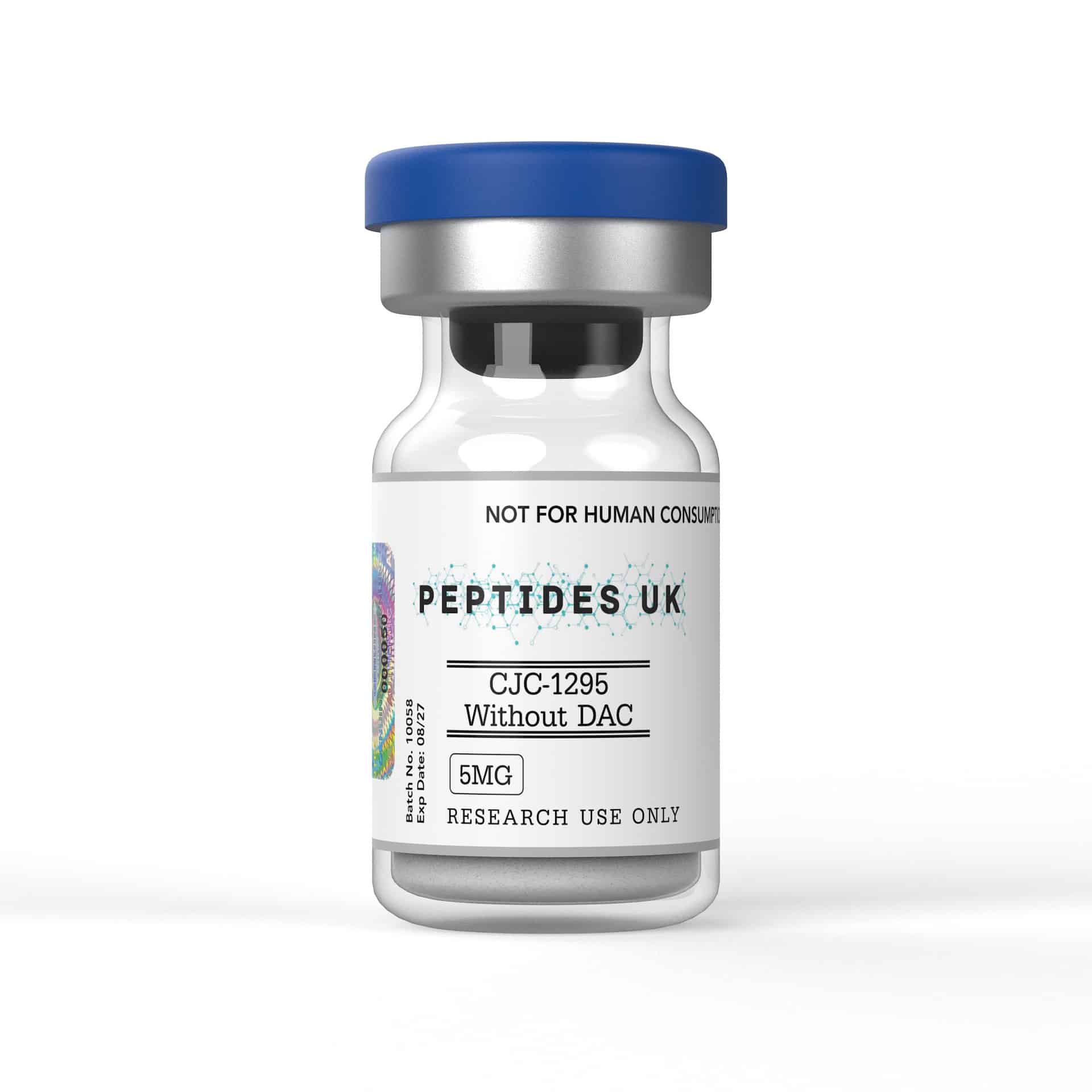
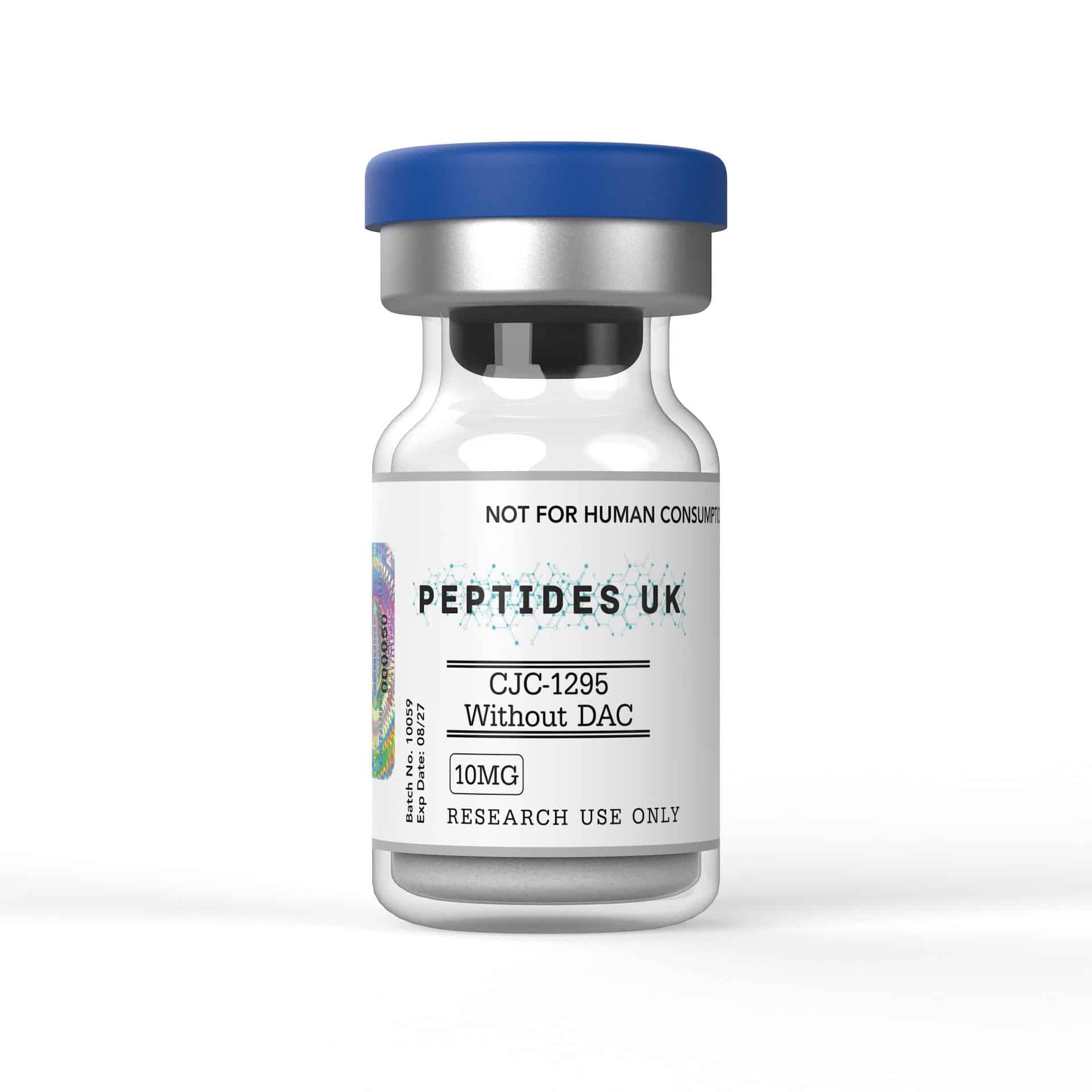
€104.00 – €155.50Price range: €104.00 through €155.50
CJC-1295 Without DAC EU – Buy Online | In Stock & Ready to Ship
Buy CJC-1295 Without DAC in Europe with fast shipping and guaranteed ≥99% purity — verified with COA and HPLC documentation. A trusted choice for peptides EU research teams rely on, with no customs delays or lengthy international wait times. Whether you’re searching for CJC-1295 Without DAC Europe suppliers, looking to buy CJC-1295 Without DAC in the EU, or sourcing peptides Europe-wide, we have you covered. Research teams across the EU can count on consistent stock, rapid fulfilment and full batch documentation every time.
For research use only. Not intended for human or veterinary use.
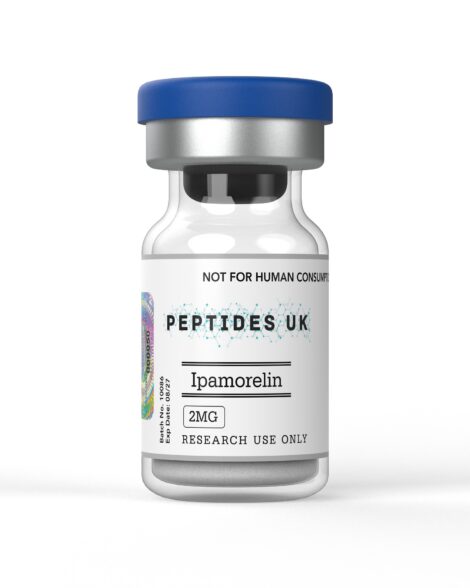

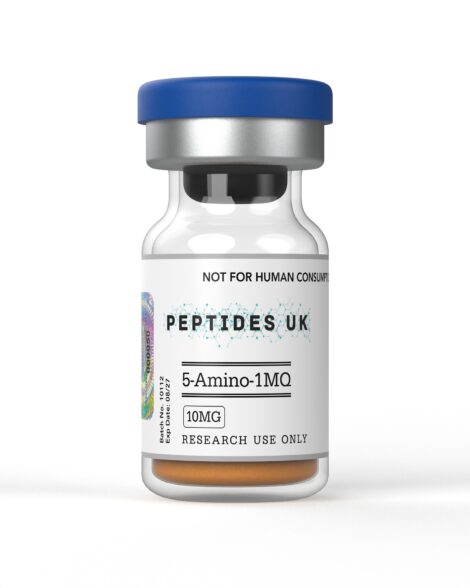
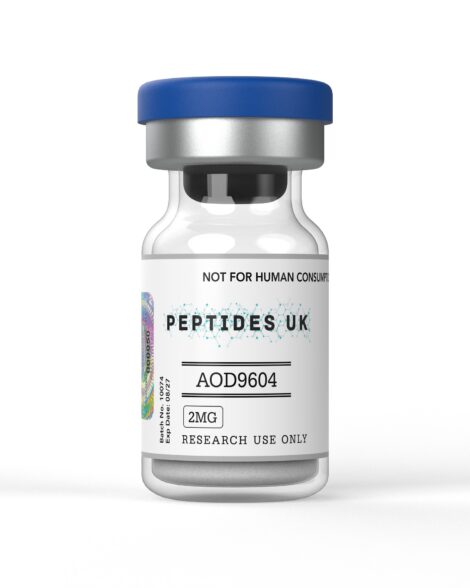

CJC-1295 Without DAC (Modified GRF 1-29) is a tetrapeptide-substituted, DPP-IV-resistant analogue of human GHRH(1-29), available to buy in Europe for laboratory research into GHRH receptor pharmacology, pulsatile growth hormone secretion physiology, somatotroph biology, GH axis pharmacology, and the comparative study of native and stabilised GHRH analogues.
Laboratories and research institutions across the EU can order verified, research-grade CJC-1295 Without DAC with fast international dispatch to Europe, full batch documentation, and ≥99% purity confirmed by HPLC and Mass Spectrometry.
✅ ≥99% Purity — HPLC & Mass Spectrometry Verified
✅ Batch-Specific Certificate of Analysis (CoA)
✅ Sterile Lyophilised Powder | GMP Manufactured
✅ Fast Dispatch to EU & Europe | Tracked Shipping
CJC-1295 Without DAC — also designated Modified GRF 1-29 (Mod-GRF 1-29) or tetraheptapeptide — is a synthetic analogue of the biologically active N-terminal 29-amino acid fragment of human Growth Hormone-Releasing Hormone (GHRH(1-29)NH₂), incorporating four targeted amino acid substitutions that confer resistance to proteolytic degradation without altering the receptor-binding pharmacophore responsible for GHRH receptor (GHRH-R) activation.
Native GHRH(1-29) — the shortest GHRH fragment retaining full GHRH-R agonism — is rapidly inactivated in plasma by two primary enzymatic mechanisms: dipeptidyl peptidase IV (DPP-IV) cleavage between positions 2 and 3 (Ala²-Asp³), which eliminates receptor binding activity, and non-specific endopeptidase cleavage at multiple internal sites. These degradation mechanisms confer a plasma half-life of under five minutes on native GHRH(1-29) — severely limiting its utility as a research tool for sustained GHRH-R stimulation studies. CJC-1295 Without DAC addresses these limitations through four strategically placed amino acid substitutions: substitution at position 2 (to D-Ala) eliminates DPP-IV recognition, while substitutions at positions 8, 15, and 27 confer resistance to endopeptidase cleavage at internal degradation sites. The result is a GHRH-R agonist with a plasma half-life of approximately 30 minutes — a six-fold or greater improvement over native GHRH(1-29) — while retaining the pulsatile, physiologically transient pharmacokinetic profile that distinguishes CJC-1295 Without DAC from the long-acting CJC-1295 With DAC variant.
CJC-1295 Without DAC is explicitly defined by the absence of the Drug Affinity Complex (DAC) modification that characterises CJC-1295 With DAC. The DAC modification — a reactive NHS-ester maleimide group appended to the C-terminus — enables covalent binding to circulating albumin at Cys34, extending plasma half-life to approximately 6–8 days and producing sustained, quasi-continuous GHRH-R stimulation and tonic GH elevation. CJC-1295 Without DAC retains none of this albumin-binding chemistry — producing a defined, short-duration GHRH-R stimulus that recapitulates the transient pulsatile GH release pattern of endogenous GHRH while providing substantially greater stability and research utility than the native peptide.
Mechanistically, CJC-1295 Without DAC activates GHRH-R — a class B GPCR expressed predominantly on pituitary somatotrophs — through Gs protein coupling to adenylyl cyclase, driving intracellular cAMP accumulation, PKA activation, and downstream cAMP response element-binding protein (CREB) phosphorylation. This cAMP/PKA cascade drives two parallel somatotroph responses: GH gene transcription upregulation — increasing the somatotroph GH secretory pool — and secretory granule priming leading to calcium-dependent exocytotic GH release. The combination of transcriptional and secretory effects underlies the robust, physiologically patterned GH pulse produced by GHRH-R activation.
In laboratory settings, CJC-1295 Without DAC is studied across GHRH receptor pharmacology, pituitary somatotroph biology, GH pulse physiology, GH axis regulation, and comparative GHRH analogue pharmacology. EU and European researchers working with CJC-1295 Without DAC typically focus on:
GHRH receptor pharmacology and signalling — CJC-1295 Without DAC is a full GHRH-R agonist, activating the receptor’s Gs/adenylyl cyclase/cAMP signalling cascade with equivalent efficacy to native GHRH(1-29) and a substantially extended duration of action. Studies use CJC-1295 Without DAC to examine GHRH-R activation kinetics, Gs coupling, cAMP accumulation dynamics, PKA activation and substrate phosphorylation, and CREB-mediated GH gene transcription in somatotroph cell lines and primary pituitary preparations — providing a metabolically stable GHRH-R agonist tool where native GHRH’s rapid degradation would confound time-course and dose-response experiments.
Pulsatile GH secretion physiology research — Physiological GH secretion is characterised by discrete high-amplitude pulses — typically 8–12 per day in humans — driven by hypothalamic GHRH/somatostatin alternation. CJC-1295 Without DAC’s ~30-minute half-life produces a transient GHRH-R stimulus that generates a defined GH pulse before clearing — preserving the physiologically relevant pulsatile GH release pattern absent from the long-acting DAC variant. Studies use CJC-1295 Without DAC to model pharmacological GH pulse generation, examining pulse amplitude, duration, rise and fall kinetics, and the consequences of controlled pulsatile GHRH-R stimulation on somatotroph biology and downstream GH axis responses.
Comparative GHRH analogue pharmacology — With DAC versus Without DAC — The most critical research application of CJC-1295 Without DAC is as the direct comparator to CJC-1295 With DAC — enabling systematic examination of how GHRH-R pharmacokinetic profile determines GH secretion pattern and downstream biological consequences. Studies comparing the two variants characterise the differences between transient pulsatile GH release (Without DAC) and sustained tonic GH elevation (With DAC) on IGF-1 production kinetics, somatotroph desensitisation rates, GH receptor downregulation, tissue GH sensitivity, and the biological outcomes of pulsatile versus continuous GH receptor stimulation in target tissues.
Somatotroph biology and GH secretory mechanism research — Studies in isolated somatotroph preparations, pituitary cell lines (GH3, GC, primary rat somatotrophs), and pituitary organoid systems use CJC-1295 Without DAC to examine the cellular mechanisms of GHRH-R-driven GH secretion — including cAMP/PKA-mediated secretory granule priming, the role of voltage-gated calcium channels in coupling PKA activation to exocytosis, and the transcriptional regulation of GH gene expression through GHRH-R/cAMP/CREB signalling.
GHRH-R/GHS-R1a synergy and dual-pathway somatotroph stimulation — GHRH and GHRPs (GHS-R1a agonists) activate complementary somatotroph signalling pathways — cAMP/PKA and IP₃/calcium respectively — producing superadditive GH release when co-administered. CJC-1295 Without DAC is the standard GHRH-R component in combination studies with GHS-R1a agonists (Ipamorelin, GHRP-2, GHRP-6, Hexarelin), providing the reference GHRH-R stimulus in experiments characterising the mechanistic basis of GHRH/GHRP synergy — including the role of GHS-R1a in amplifying GHRH-R-driven cAMP responses and the signal integration nodes at which the two pathways converge to amplify GH exocytosis.
GH axis pharmacology and somatotroph reserve assessment — The combined GHRH analogue + GHS-R1a agonist stimulation paradigm is a well-characterised approach for maximally stimulating somatotroph GH secretory capacity — distinguishing hypothalamic from pituitary causes of GH deficiency by probing somatotroph responsiveness directly. Studies use CJC-1295 Without DAC as the GHRH-R component in somatotroph reserve assessment protocols — examining residual pituitary GH secretory capacity in pre-clinical GH deficiency and pituitary pathology models and characterising the GHRH-R responsiveness of somatotrophs under various experimental conditions.
Somatostatin interaction and GH pulse gating research — Somatostatin (SST) from the hypothalamus acts through SSTR2 and SSTR5 on somatotrophs to suppress cAMP accumulation and GH release — the primary physiological brake on GHRH-driven GH pulses. Studies use CJC-1295 Without DAC to examine the interaction between GHRH-R activation and somatostatin pathway suppression — characterising how GHRH-R-driven cAMP overcomes tonic SSTR-mediated inhibition, the dose-response relationship between GHRH-R stimulus magnitude and somatostatin override capacity, and the timing of GH pulse initiation relative to hypothalamic somatostatin withdrawal in pulsatile secretion models.
IGF-1 axis and downstream GH biology research — GH released by CJC-1295 Without DAC-driven somatotroph activation engages hepatic GH receptors to drive IGF-1 gene transcription and circulating IGF-1 production — the primary endocrine mediator of GH’s anabolic, growth-promoting, and metabolic effects. Studies use CJC-1295 Without DAC to examine GH pulse amplitude-dependent hepatic IGF-1 production, the kinetics of IGF-1 induction following pharmacological GH pulse generation, and the downstream consequences of pulsatile versus tonic GH-driven IGF-1 signalling on IGF-1R activation in target tissues.
Ageing, somatopause, and GH decline research — The progressive decline in GH pulse amplitude and frequency with age — somatopause — is attributable primarily to reduced hypothalamic GHRH drive and increased somatostatin tone rather than intrinsic loss of somatotroph secretory capacity. Studies use CJC-1295 Without DAC in aged animal models to examine residual somatotroph GHRH-R responsiveness, the degree to which age-associated GH decline is reversible through pharmacological GHRH-R stimulation, and the downstream consequences of restored GH pulsatility on IGF-1 levels and GH-dependent tissue biology in ageing models.
GHRH-R desensitisation and receptor regulation research — Repeated or sustained GHRH-R stimulation produces receptor desensitisation — reduced cAMP and GH responses to subsequent GHRH-R activation — through GRK-mediated receptor phosphorylation, β-arrestin recruitment, and receptor internalisation. CJC-1295 Without DAC’s defined short duration of action makes it a precise tool for studying GHRH-R desensitisation kinetics — examining the time course of receptor phosphorylation, internalisation, recycling, and resensitisation following a defined GHRH-R stimulus, and comparing desensitisation profiles between pulsatile (Without DAC) and continuous (With DAC) GHRH-R stimulation paradigms.
GH-dependent metabolic and body composition research — GH secreted in response to CJC-1295 Without DAC stimulation drives lipolysis in adipocytes through hormone-sensitive lipase activation, promotes protein synthesis in skeletal muscle through IGF-1-dependent and IGF-1-independent mechanisms, and regulates hepatic glucose output. Studies in pre-clinical metabolic research models use CJC-1295 Without DAC to examine the body composition and metabolic consequences of pharmacologically generated GH pulses — characterising the adipolytic, anabolic, and glucoregulatory effects of episodic GHRH-R-driven GH release in a pulsatile pattern that preserves physiological GH action characteristics.
GH deficiency model research — Studies in hypophysectomised animals, GH-deficient rodent models, and GHRH-knockout systems use CJC-1295 Without DAC to probe the relative contributions of pituitary GHRH-R responsiveness and hypothalamic GHRH drive to GH deficiency phenotypes — administering direct GHRH-R stimulation to isolate pituitary-level GH secretory capacity from upstream hypothalamic regulatory inputs. These models provide mechanistic context for understanding the distinction between hypothalamic and pituitary causes of GH axis dysfunction.
All research applications are for in vitro and pre-clinical use only.
CJC-1295 Without DAC sits within a well-established GHRH analogue research literature, building on decades of pharmacological characterisation of GHRH(1-29) and its stabilised analogues — and is directly contextualised by studies of CJC-1295 With DAC that established the functional consequences of removing the DAC modification.
GHRH analogue stability engineering: Studies characterising the proteolytic vulnerabilities of native GHRH(1-29) established the two-amino acid DPP-IV cleavage site at the His¹-Ala² N-terminus as the primary inactivation mechanism — with DPP-IV cleavage generating the biologically inactive GHRH(3-29) fragment that cannot bind GHRH-R. The strategic amino acid substitutions incorporated into CJC-1295 Without DAC were validated in stability studies demonstrating DPP-IV resistance, endopeptidase resistance at internal sites, and preservation of full GHRH-R binding affinity and Gs/cAMP signalling efficacy — establishing the tetrasubstituted sequence as a metabolically stable GHRH-R agonist tool with a substantially extended research utility window over native GHRH(1-29).
Pulsatile GH release characterisation: Studies examining the GH secretion profile of Mod-GRF 1-29 in rodent models documented transient, high-amplitude GH pulses following administration — with GH returning to baseline within 1–2 hours consistent with the peptide’s ~30-minute half-life. These pulsatile GH release studies established that CJC-1295 Without DAC faithfully recapitulates the physiological GH pulse morphology of endogenous GHRH-driven secretion while providing reproducible, researcher-controlled timing of GH pulse generation — a critical research tool advantage over the inherently variable timing of endogenous GH pulses.
CJC-1295 With DAC comparative studies: The CJC-1295 With DAC literature — particularly the clinical pharmacology studies by Teichman and colleagues — provides the direct pharmacological context for CJC-1295 Without DAC by establishing what is lost when the DAC modification is present. CJC-1295 With DAC studies documented the transition from pulsatile to tonic GH elevation, the sustained IGF-1 elevation persisting for days following a single administration, and the blunted GH pulse architecture associated with continuous GHRH-R stimulation. These findings establish CJC-1295 Without DAC as the appropriate analogue when pulsatile GH release pattern preservation is a research requirement.
GHRH/GHRP synergy studies: The foundational GHRH + GHRP synergy literature — characterising superadditive GH release from co-administration of GHRH-R and GHS-R1a agonists — established the mechanistic rationale for CJC-1295 Without DAC’s use as the GHRH-R component in combination secretagogue research. Studies by Bowers and colleagues characterising cAMP/PKA + IP₃/calcium convergence in somatotrophs, and subsequent combination studies establishing that the GHRH/GHRP synergy is preserved and amplified when stabilised GHRH analogues replace native GHRH, validated CJC-1295 Without DAC as a reliable GHRH-R component in dual-pathway GH axis stimulation research.
Somatotroph desensitisation research: Studies examining GHRH-R desensitisation with repeated administration of GHRH analogues documented the kinetics of receptor internalisation, cAMP attenuation, and GH response blunting — with findings establishing that the pulsatile stimulation paradigm produced by short-acting GHRH analogues generates substantially less GHRH-R desensitisation than continuous stimulation. These desensitisation studies provided the physiological mechanistic basis for preferring pulsatile over tonic GHRH-R stimulation in research designs where sustained somatotroph responsiveness is a requirement.
Ageing and somatopause pre-clinical research: Studies examining GHRH analogue administration in aged rodent models documented restoration of GH pulse amplitude and IGF-1 levels — with findings confirming that somatotroph GHRH-R responsiveness is largely preserved in aged animals despite age-associated reductions in endogenous GHRH drive. These ageing model studies established CJC-1295 Without DAC as a useful tool for probing somatotroph reserve in the context of somatopause research and for characterising the contribution of reduced GHRH secretion versus intrinsic somatotroph dysfunction to age-associated GH decline.
| Compound | Class | Half-life | GH Release Pattern | Receptor | Key Research Distinction |
|---|---|---|---|---|---|
| CJC-1295 Without DAC (Mod-GRF 1-29) | DPP-IV resistant GHRH analogue | ~30 minutes | Pulsatile — physiological morphology | GHRH-R | Reference short-acting GHRH analogue; pulsatile GH research |
| CJC-1295 With DAC | Albumin-binding GHRH analogue (DAC) | ~6–8 days | Sustained tonic elevation | GHRH-R | Long-acting GHRH-R stimulation; IGF-1 elevation research |
| Native GHRH(1-29)NH₂ | Endogenous GHRH fragment | <5 minutes | Very short transient pulse | GHRH-R | Reference native ligand; rapid degradation limits utility |
| Native GHRH(1-44)NH₂ | Full-length endogenous GHRH | <5 minutes | Very short transient pulse | GHRH-R | Full-length native GHRH reference; same rapid degradation |
| Sermorelin (GHRH 1-29) | Unmodified GHRH(1-29) analogue | ~10–12 minutes | Short pulsatile | GHRH-R | Earlier generation GHRH analogue; partial DPP-IV resistance |
| Tesamorelin | GHRH analogue — trans-3-hexenoic acid | ~25–30 minutes | Pulsatile | GHRH-R | Clinical-stage GHRH analogue; lipodystrophy research |
| MK-677 (Ibutamoren) | Non-peptide GHS-R1a agonist | ~24 hours | Tonic GH/IGF-1 elevation | GHS-R1a | Oral GH secretagogue; GHRH-independent GH elevation |
Every order of CJC-1295 Without DAC dispatched to EU and European research institutions includes:
Can I Buy CJC-1295 Without DAC in the EU and Europe?
Yes. We supply research-grade CJC-1295 Without DAC with fast tracked dispatch to all EU member states and wider European destinations. All orders include full batch documentation. CJC-1295 Without DAC is supplied strictly for laboratory research use only.
What Does “Without DAC” Mean and Why Does It Matter?
DAC — Drug Affinity Complex — refers to a reactive maleimide-NHS ester chemical modification appended to the C-terminus of CJC-1295 With DAC, which enables covalent conjugation to the Cys34 residue of circulating albumin following administration. Albumin conjugation extends plasma half-life from ~30 minutes to approximately 6–8 days, converting the peptide from a short-acting pulsatile GHRH-R stimulus into a sustained, quasi-continuous one. CJC-1295 Without DAC lacks this modification entirely — retaining the short ~30-minute half-life that produces transient, pulsatile GH release recapitulating physiological GH pulse morphology. The distinction is fundamental to research design: Without DAC is used when pulsatile GH secretion pattern is the research requirement; With DAC is used when sustained GH axis elevation and chronic IGF-1 elevation are the objective.
What Are the Four Amino Acid Substitutions in CJC-1295 Without DAC and What Do They Do?
The four substitutions in CJC-1295 Without DAC address the primary proteolytic vulnerabilities of native GHRH(1-29). The D-Ala substitution at position 2 prevents DPP-IV recognition and cleavage of the His¹-Ala² dipeptide — the dominant inactivation mechanism for native GHRH in plasma — as DPP-IV cannot cleave after a D-amino acid. The substitutions at positions 8, 15, and 27 replace degradation-susceptible residues at internal endopeptidase cleavage sites with more stable amino acids, reducing non-specific proteolytic inactivation. Together, these four substitutions extend plasma half-life approximately six-fold over native GHRH(1-29) without altering the N-terminal pharmacophore or the receptor-binding regions responsible for GHRH-R activation and Gs coupling.
How Does CJC-1295 Without DAC Differ From Sermorelin?
Both Sermorelin and CJC-1295 Without DAC are GHRH(1-29)-based GHRH-R agonists, but they differ in metabolic stability and half-life. Sermorelin is an earlier-generation GHRH analogue incorporating fewer protective substitutions — with partial resistance to DPP-IV cleavage but limited endopeptidase stability — producing a plasma half-life of approximately 10–12 minutes. CJC-1295 Without DAC’s tetrasubstituted sequence provides more comprehensive proteolytic protection, approximately tripling Sermorelin’s half-life to ~30 minutes. For research applications, CJC-1295 Without DAC offers a more sustained and reproducible GHRH-R stimulus than Sermorelin while both preserve the pulsatile GH release pattern absent from the DAC variant.
Why is Pulsatile GH Release Considered Physiologically Important?
The pulsatile pattern of GH secretion — high-amplitude discrete pulses separated by low inter-pulse troughs — is not merely an incidental feature of GH axis physiology but a functionally significant characteristic. Studies in GH-deficient subjects receiving either pulsatile or continuous GH replacement demonstrated that pulsatile delivery produces superior anabolic and metabolic responses compared to equivalent total GH doses delivered continuously — attributed to more efficient hepatic GH receptor activation, prevention of GH receptor downregulation that occurs with continuous stimulation, and preserved downstream IGF-1 and GH-signalling responses. CJC-1295 Without DAC’s pulsatile GH release profile is directly relevant to studies examining these physiological and pharmacological consequences of GH pulse architecture.
Can CJC-1295 Without DAC Be Used Alone or Does It Require a GHRP?
CJC-1295 Without DAC produces a reproducible GH pulse as a standalone GHRH-R agonist — suitable for research applications requiring isolated GHRH-R pathway activation, characterisation of GHRH-R signalling, or pulsatile GH generation without GHS-R1a co-stimulation. The addition of a GHS-R1a agonist (most commonly Ipamorelin, GHRP-2, or GHRP-6) produces superadditive GH release through the complementary cAMP/PKA + IP₃/calcium convergence mechanism — substantially amplifying peak GH pulse amplitude. Whether the combination or standalone format is appropriate depends on the specific research question: studies examining GHRH-R biology use CJC-1295 Without DAC alone; studies requiring maximal GH axis stimulation or examining GHRH/GHRP synergy mechanisms use it in combination.
How Do I Reconstitute CJC-1295 Without DAC for Laboratory Use?
Reconstitute with sterile water or appropriate laboratory buffer by adding solvent slowly down the vial wall and swirling gently — do not vortex. CJC-1295 Without DAC reconstitutes readily in aqueous buffers without organic co-solvents. Prepare working stocks at the required concentration, aliquot into single-use volumes to avoid repeated freeze-thaw cycles, and store at -80°C. Standard peptide handling protocols apply; avoid prolonged exposure to room temperature and protect from light.
How Quickly is CJC-1295 Without DAC Delivered to Europe?
Delivery to EU and European destinations typically takes 3–7 working days via tracked international courier with packaging maintaining peptide stability throughout transit.
| Parameter | Detail |
|---|---|
| Peptide | CJC-1295 Without DAC (Modified GRF 1-29 / Mod-GRF 1-29) |
| Based On | Human GHRH(1-29)NH₂ |
| Substitutions | D-Ala², Ala⁸, Gln¹⁵, Ala²⁷ — DPP-IV and endopeptidase resistance |
| DAC Modification | Absent — no albumin-binding chemistry |
| Receptor | GHRH-R (Growth Hormone-Releasing Hormone Receptor) — full agonist |
| Signalling Pathway | Gs/adenylyl cyclase/cAMP/PKA/CREB |
| Plasma Half-life | ~30 minutes (vs <5 min native GHRH; vs ~6–8 days CJC-1295 With DAC) |
| GH Release Pattern | Pulsatile — transient high-amplitude physiological pulse |
| Cortisol/Prolactin Co-stimulation | None — GHRH-R pathway only |
| Primary Research Interest | GHRH-R pharmacology, pulsatile GH physiology, somatotroph biology, GH axis regulation, GHRH/GHRP synergy |
| Purity | ≥99% |
| Verification | HPLC & Mass Spectrometry |
| Form | Sterile Lyophilised Powder |
| Solubility | Sterile water or laboratory buffer |
| Storage | -20°C, protected from light and moisture |
| Intended Use | Research use only |
CJC-1295 Without DAC is supplied exclusively for legitimate scientific research conducted within licensed laboratory environments. This product is not approved for human consumption, self-administration, or any therapeutic, clinical, or veterinary application. It must be handled solely by qualified researchers in compliance with applicable EU regulations, national legislation, and institutional ethics guidelines. By purchasing, you confirm this compound will be used exclusively for approved in vitro or pre-clinical research purposes.

WhatsApp us
Receive News
