PRODUCTS SOLD ON PEPTIDESLABEU.COM ARE FOR RESEARCH PURPOSES ONLY AND ARE NOT FOR HUMAN OR VETERINARY USE.
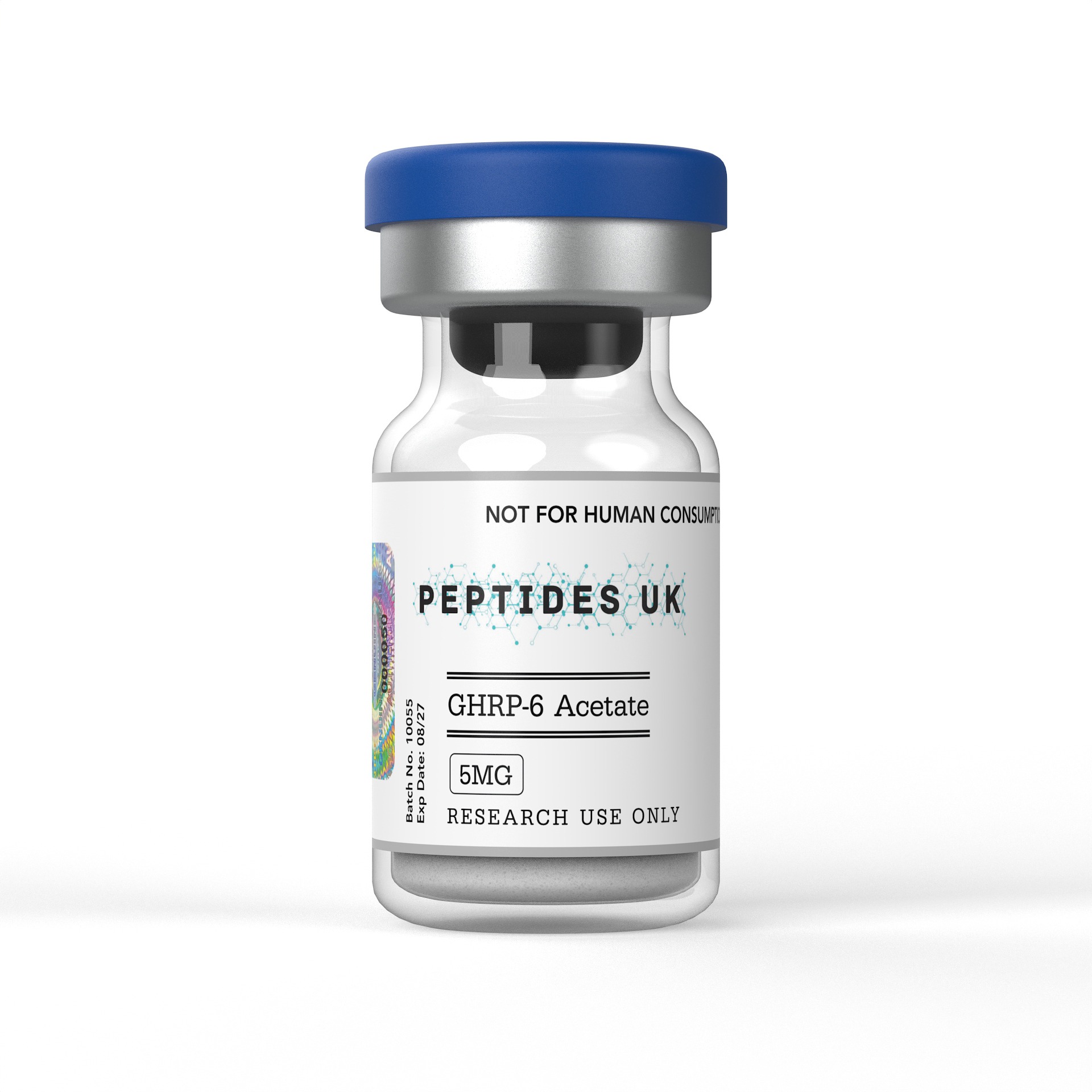
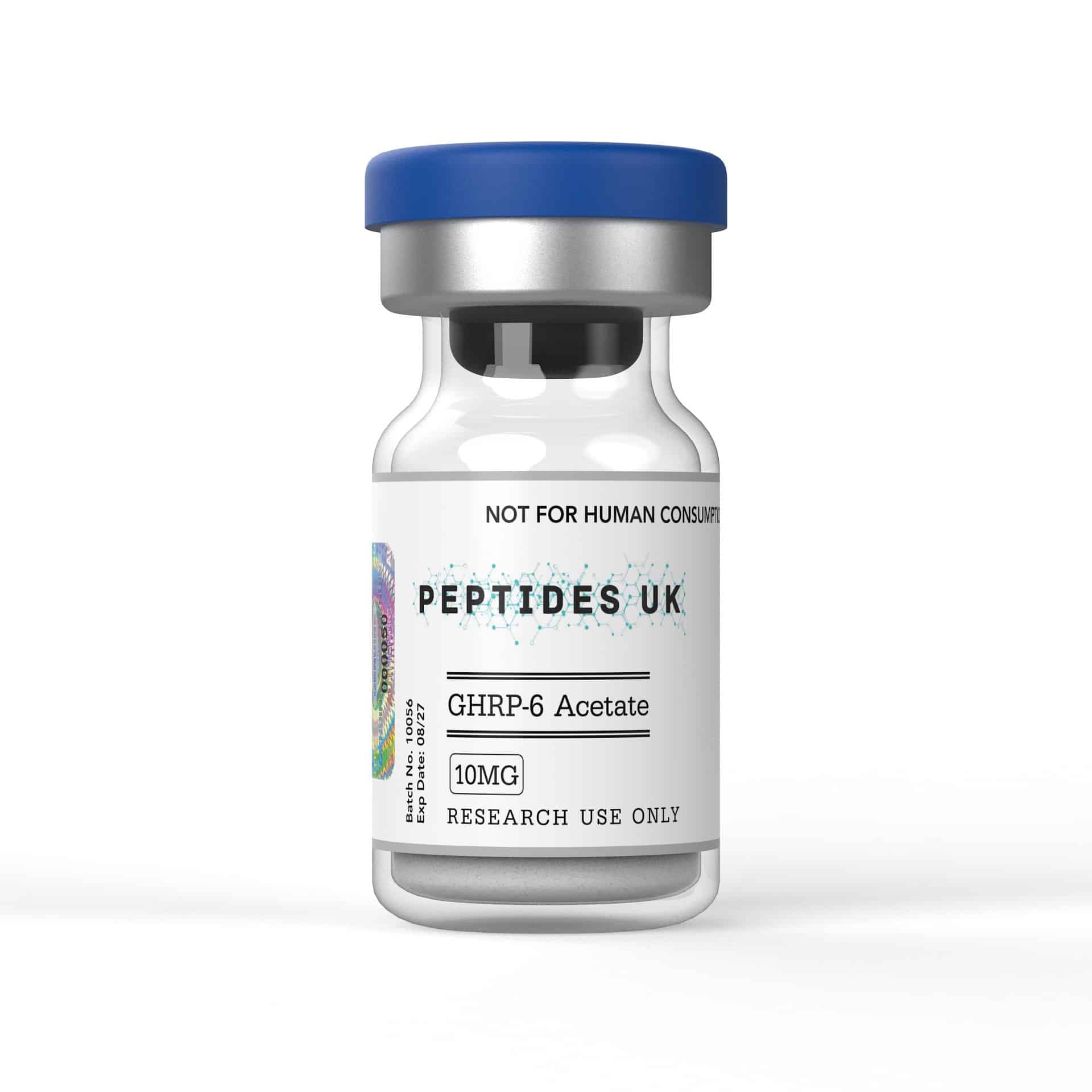
€27.00 – €44.00Price range: €27.00 through €44.00
GHRP-6 EU – Buy Online | In Stock & Ready to Ship
Buy GHRP-6 in Europe with fast shipping and guaranteed ≥99% purity — verified with COA and HPLC documentation. A trusted choice for peptides EU research teams rely on, with no customs delays or lengthy international wait times. Whether you’re searching for GHRP-6 Europe suppliers, looking to buy GHRP-6 in the EU, or sourcing peptides Europe-wide, we have you covered. Research teams across the EU can count on consistent stock, rapid fulfilment and full batch documentation every time.
For research use only. Not intended for human or veterinary use.
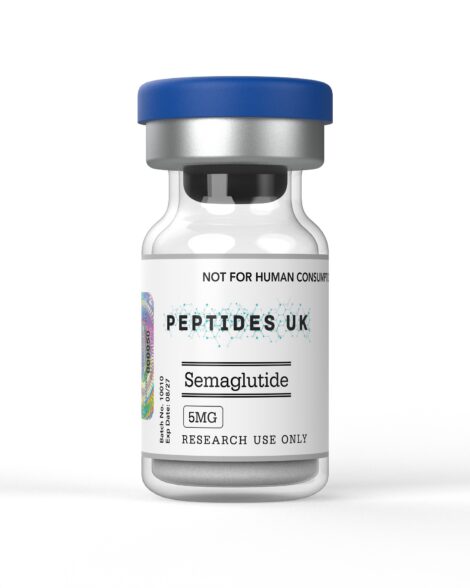

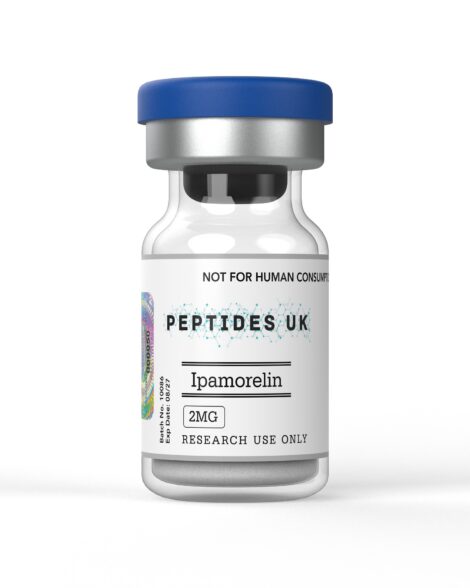


GHRP-6 (Growth Hormone Releasing Peptide-6) is a synthetic hexapeptide ghrelin mimetic, available to buy in Europe for laboratory research into growth hormone secretion, ghrelin receptor pharmacology, appetite regulation biology, and metabolic signalling.
Laboratories and research institutions across the EU can order verified, research-grade GHRP-6 with fast international dispatch to Europe, full batch documentation, and ≥99% purity confirmed by HPLC and Mass Spectrometry.
✅ ≥99% Purity — HPLC & Mass Spectrometry Verified
✅ Batch-Specific Certificate of Analysis (CoA)
✅ Sterile Lyophilised Powder | GMP Manufactured
✅ Fast Dispatch to EU & Europe | Tracked Shipping
GHRP-6 (Growth Hormone Releasing Peptide-6) is a synthetic hexapeptide — sequence His-D-Trp-Ala-Trp-D-Phe-Lys-NH2 — and one of the original, most extensively studied members of the growth hormone secretagogue (GHS) peptide class. It acts as a functional ghrelin mimetic, binding to the GHS-R1a receptor (the ghrelin receptor) to stimulate growth hormone release from pituitary somatotroph cells through a mechanism distinct from and synergistic with endogenous Growth Hormone Releasing Hormone (GHRH).
First synthesised in the 1980s and used as a foundational research tool for over four decades, GHRP-6 played a central role in identifying and characterising the ghrelin receptor before ghrelin itself was discovered in 1999. Its well-characterised pharmacology, reliable GH secretagogue activity, and established research literature make it one of the reference compounds for studying the GHS-R1a receptor system, pituitary somatotroph biology, and the intersection of growth hormone regulation with appetite and metabolic signalling.
Beyond its GH-stimulating activity, GHRP-6 is also studied for ghrelin pathway effects on appetite regulation, gastric motility, cardioprotection, and anti-inflammatory signalling — reflecting the broad biological reach of the ghrelin receptor system throughout peripheral and central tissues.
In laboratory settings, GHRP-6 is studied primarily as a GHS-R1a agonist and growth hormone secretagogue, with research extending into the wider biological roles of ghrelin receptor signalling. EU and European researchers working with GHRP-6 typically focus on:
All research applications are for in vitro and pre-clinical use only.
GHRP-6 has one of the most extensive research literatures of any synthetic growth hormone secretagogue — with over four decades of pre-clinical and clinical investigation spanning endocrinology, metabolic biology, cardiology, and receptor pharmacology.
GH secretagogue activity: Studies have consistently documented GHRP-6’s reliable, dose-dependent stimulation of GH release from pituitary somatotroph cells via GHS-R1a. Research has characterised its synergistic interaction with GHRH — with co-administration producing substantially greater GH release than either compound alone — a finding that has shaped understanding of the dual-pathway regulation of pituitary GH secretion.
Ghrelin receptor discovery: GHRP-6 played a foundational role in ghrelin receptor biology. Studies using GHRP-6 and related synthetic secretagogues as receptor ligands led directly to the identification and cloning of the GHS-R1a receptor in 1996, and subsequently to the discovery of ghrelin as the endogenous ligand in 1999. This makes GHRP-6 historically significant as a pharmacological tool that drove a major advance in endocrinology.
Appetite and orexigenic biology: Pre-clinical studies have documented robust orexigenic effects of GHRP-6 mediated through hypothalamic GHS-R1a, with research characterising NPY and AgRP pathway involvement in its appetite-stimulating effects. This line of research has contributed to the broader understanding of how ghrelin receptor activation interfaces with hypothalamic energy homeostasis circuits.
Cardioprotection research: A significant body of pre-clinical literature has examined GHRP-6 in cardiac ischaemia-reperfusion models. Studies have reported reductions in infarct size, preservation of cardiac function parameters, and anti-apoptotic effects in cardiomyocyte populations — findings attributed to GHS-R1a-mediated signalling in cardiac tissue rather than systemic GH effects.
Anti-inflammatory and repair biology: Studies have characterised GHRP-6 effects on pro-inflammatory cytokine expression including TNF-α and IL-6, alongside findings in wound healing and fibrosis models suggesting effects on myofibroblast activity and collagen deposition — positioning GHRP-6 as a research tool beyond its classical GH secretagogue application.
Comparative secretagogue pharmacology: GHRP-6 has been extensively used as the benchmark compound in comparative studies with GHRP-2, Ipamorelin, Hexarelin, and non-peptide secretagogues — with research characterising differences in receptor selectivity, GH release potency, cortisol/prolactin co-stimulation, and tissue-specific effects across the GHS class.
| Compound | Type | GHS-R1a Activity | Cortisol/Prolactin Effect | Key Research Distinction |
|---|---|---|---|---|
| GHRP-6 | Hexapeptide GHS | Strong agonist | Moderate | Reference GHS compound, orexigenic, cardioprotection research |
| GHRP-2 | Hexapeptide GHS | Strong agonist | Higher | Greater GH potency, stronger cortisol co-stimulation |
| Ipamorelin | Pentapeptide GHS | Selective agonist | Minimal | High GHS-R1a selectivity, minimal off-target effects |
| Hexarelin | Hexapeptide GHS | Strong agonist | Higher | Cardioprotection research, CD36 receptor activity |
| MK-677 (Ibutamoren) | Non-peptide GHS | Strong agonist | Moderate | Oral bioavailability, long half-life, metabolic research |
| CJC-1295 | GHRH analogue | GHRH receptor | Minimal | Synergistic use with GHS compounds, extended half-life |
Every order of GHRP-6 peptide dispatched to EU and European research institutions includes:
Yes. We supply research-grade GHRP-6 peptide with fast tracked international dispatch to all EU member states and wider European destinations. Packaging is designed to maintain peptide integrity throughout transit, and all orders include full batch documentation. GHRP-6 is supplied strictly for laboratory research use only.
GHRP-6 and GHRP-2 are both hexapeptide GHS-R1a agonists with comparable mechanisms, but differ in potency and off-target activity profile. GHRP-2 generally produces greater GH release per unit dose and higher co-stimulation of cortisol and prolactin compared to GHRP-6. GHRP-6 is more orexigenic — producing stronger appetite-stimulating effects through hypothalamic pathways — and has a longer established research literature. The two are often used as complementary tools in comparative GHS pharmacology studies.
Ipamorelin is a later-generation pentapeptide GHS designed for improved GHS-R1a selectivity and minimal off-target receptor activity. Compared to GHRP-6, Ipamorelin produces little to no co-stimulation of cortisol or prolactin — making it a cleaner tool for research specifically focused on GH axis effects. GHRP-6’s broader receptor activity profile and orexigenic properties make it more useful for research into appetite biology and the full scope of ghrelin receptor pharmacology.
GHS-R1a (Growth Hormone Secretagogue Receptor 1a) is the G-protein coupled receptor through which both synthetic GHS peptides like GHRP-6 and the endogenous hormone ghrelin exert their biological effects. It is expressed in the pituitary, hypothalamus, and peripheral tissues including the heart and gastrointestinal tract. Its discovery — driven in part by research using GHRP-6 — established the broader ghrelin system and revealed that GH secretagogue effects are mediated through a dedicated receptor pathway separate from GHRH signalling.
Yes — and this is one of its most well-documented and research-relevant properties. Studies have shown that combining GHRP-6 with GHRH or GHRH analogues such as CJC-1295 produces substantially greater GH release than either compound alone, due to their complementary mechanisms acting at different points in pituitary GH secretion regulation. This synergy is a standard feature of comparative GHS research designs.
Allow the vial to reach room temperature before opening. Add sterile water or an appropriate laboratory buffer slowly down the vial wall and swirl gently — do not shake. Prepare at your protocol’s required concentration, aliquot, and store at -80°C to minimise freeze-thaw degradation. Standard peptide handling protocols apply.
Orders are dispatched promptly via tracked international courier. Delivery to EU and European destinations typically takes 3–7 working days depending on location, with packaging designed to protect peptide stability throughout transit.
| Parameter | Detail |
|---|---|
| Sequence | His-D-Trp-Ala-Trp-D-Phe-Lys-NH2 |
| Type | Synthetic Hexapeptide Growth Hormone Secretagogue |
| Receptor Target | GHS-R1a (Ghrelin Receptor) |
| Primary Research Interest | GH secretagogue, ghrelin receptor pharmacology, appetite biology |
| Purity | ≥99% |
| Verification | HPLC & Mass Spectrometry |
| Form | Sterile Lyophilised Powder |
| Solubility | Sterile water or laboratory buffer |
| Storage | -20°C, protected from light and moisture |
| Intended Use | Research use only |
GHRP-6 is supplied exclusively for legitimate scientific research conducted within licensed laboratory environments. This product is not approved for human consumption, self-administration, or any therapeutic, clinical, or veterinary application. It must be handled solely by qualified researchers in compliance with applicable EU regulations, national legislation, and institutional ethics guidelines. By purchasing, you confirm this compound will be used exclusively for approved in vitro or pre-clinical research purposes.
WhatsApp us
Receive News
