PRODUCTS SOLD ON PEPTIDESLABEU.COM ARE FOR RESEARCH PURPOSES ONLY AND ARE NOT FOR HUMAN OR VETERINARY USE.
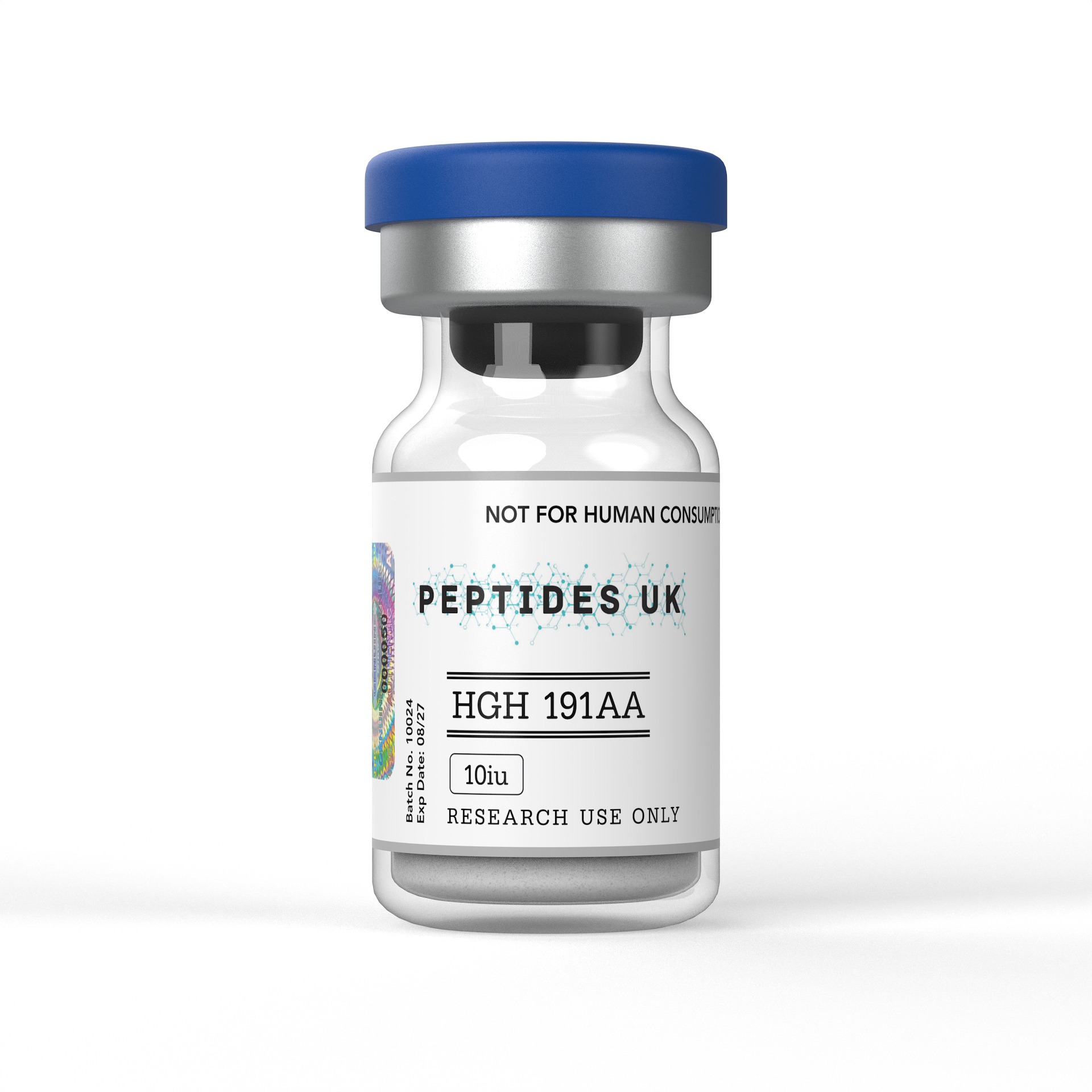
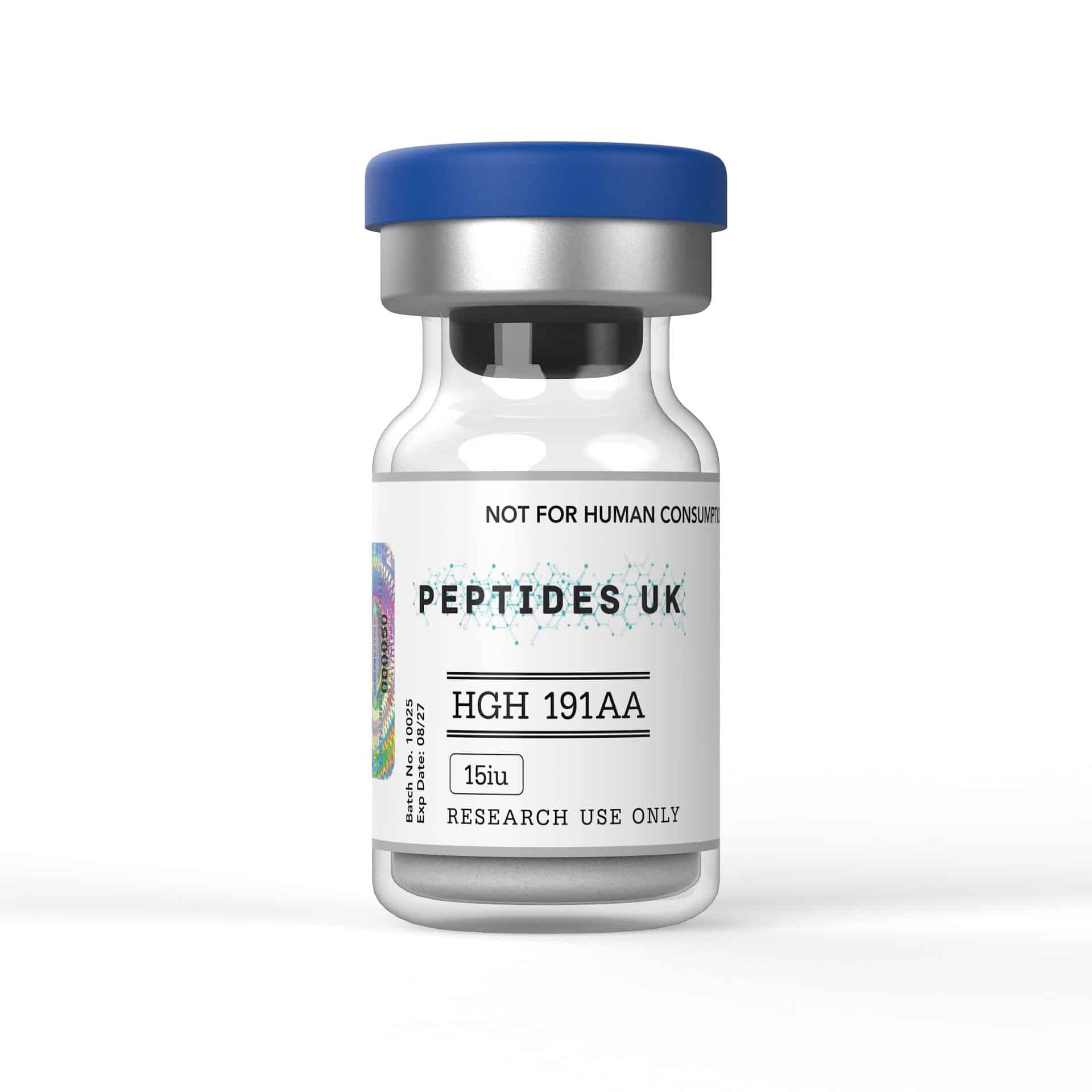
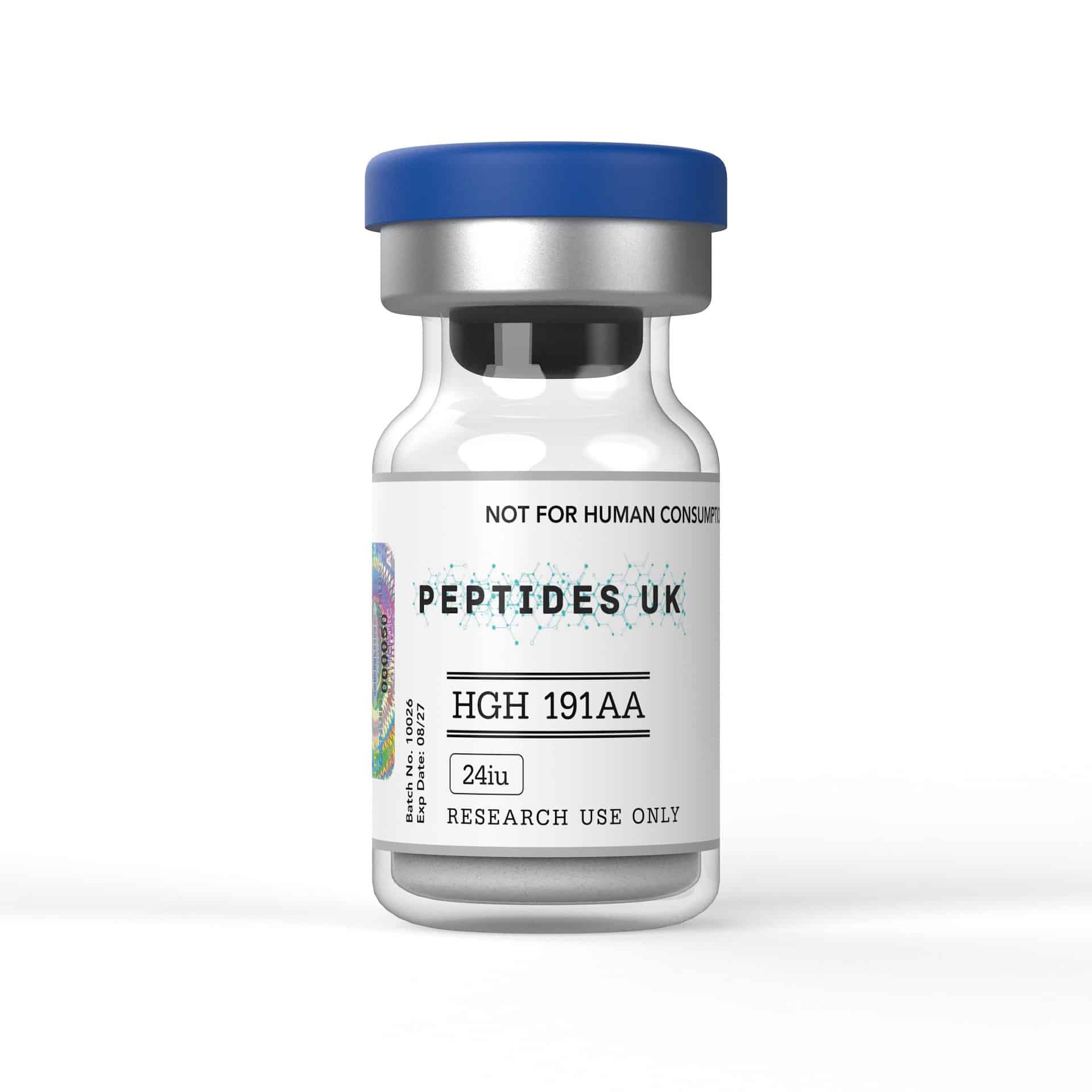
€35.00 – €114.00Price range: €35.00 through €114.00
HGH 191AA EU – Buy Online | In Stock & Ready to Ship
Buy HGH 191AA in Europe with fast shipping and guaranteed ≥99% purity — verified with COA and HPLC documentation. A trusted choice for peptides EU research teams rely on, with no customs delays or lengthy international wait times. Whether you’re searching for HGH 191AA Europe suppliers, looking to buy HGH 191AA in the EU, or sourcing peptides Europe-wide, we have you covered. Research teams across the EU can count on consistent stock, rapid fulfilment and full batch documentation every time.
For research use only. Not intended for human or veterinary use.
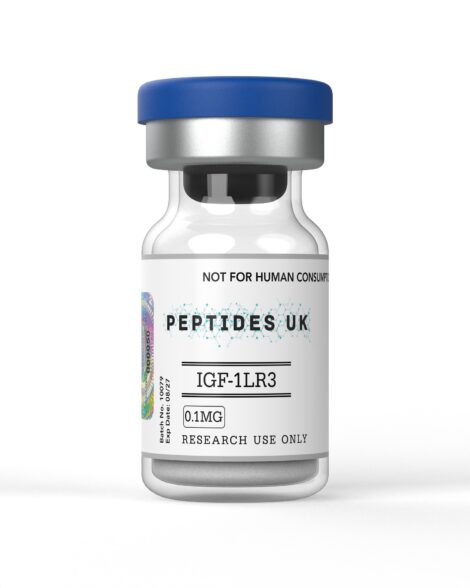


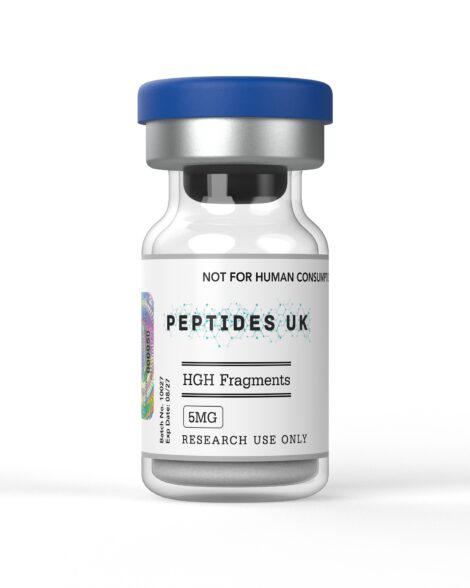
HGH 191AA — recombinant human growth hormone, full-length 191 amino acid somatotropin — is the complete reference recombinant human GH protein and the definitive benchmark for growth hormone receptor biology research available to laboratories across Europe, providing the full GHR activation profile, complete downstream JAK2-STAT5 signal transduction, and the entire spectrum of GH-driven biological responses including IGF-1 axis activation, anabolic biology, lipolysis, bone growth, immune modulation, and somatotropic axis feedback regulation. Research institutions and laboratories across the EU can source verified, research-grade HGH 191AA in Europe with fast dispatch and full batch documentation included.
Available Sizes: 10IU | 100IU
✅ ≥99% Purity — HPLC & Mass Spectrometry Verified
✅ Batch-Specific Certificate of Analysis (CoA) Included
✅ Sterile Lyophilised Powder | GMP Manufactured
✅ Fast Dispatch Across EU & Europe | EU Peptides Stock
HGH 191AA is recombinant human somatotropin — the full-length 191 amino acid growth hormone protein produced in E. coli expression systems that replicates the primary structure of native pituitary-derived human GH. The 191AA designation refers to the complete 191 amino acid sequence of mature human growth hormone — distinguishing it from truncated or modified GH variants and confirming that the recombinant protein contains the full GHR-binding pharmacophore geometry required for complete growth hormone receptor activation.
Human growth hormone is a four-helix bundle protein stabilised by two essential disulphide bridges — Cys53-Cys165 forming the large loop critical for Site 1 GHR contact, and Cys182-Cys189 forming the small loop important for Site 2 GHR contact. Both disulphide bridges must be correctly formed for full biological activity — the intact disulphide architecture is essential for the correct three-dimensional folding of the four-helix bundle that positions the GHR binding sites for receptor engagement. E. coli-expressed HGH 191AA is non-glycosylated — replicating the glycosylation status of the predominant 22 kDa pituitary GH isoform, the most abundant and biologically active form of endogenous human GH.
HGH 191AA activates the growth hormone receptor through a sequential dimerisation mechanism — binding first to one GHR monomer through the high-affinity Site 1 contact surface, then recruiting a second GHR monomer through the lower-affinity Site 2 contact to form the signalling-competent GHR homodimer. This dimerisation triggers trans-phosphorylation of receptor-associated JAK2 kinases, initiating the JAK2-STAT5 signalling cascade that drives GH’s broad biological programme including hepatic IGF-1 production, skeletal muscle protein synthesis, adipose lipolysis, bone growth plate stimulation, immune cell modulation, and somatotropic axis feedback through hypothalamic somatostatin upregulation. As the complete reference GH protein, HGH 191AA is the essential benchmark compound for all comparative GH axis research across EU laboratories — establishing the full GHR activation baseline against which truncated GH fragments, GH axis stimulators, and GH receptor modulators are characterised.
In controlled laboratory and pre-clinical research settings across EU and European institutions, HGH 191AA is studied across GHR pharmacology, JAK2-STAT5 signal transduction, IGF-1 axis biology, anabolic biology, lipolysis research, bone biology, immune modulation, and as the complete GH reference for all comparative GH axis studies:
Complete GHR Pharmacology and JAK2-STAT5 Signal Transduction Research — HGH 191AA is the reference full-length GH protein for complete growth hormone receptor pharmacology research — used to characterise GHR sequential dimerisation kinetics, JAK2 trans-phosphorylation dynamics, STAT5 phosphorylation and nuclear translocation, GH-responsive gene transcription programmes, and the complete signal transduction architecture downstream of full GHR homodimer activation. Research uses HGH 191AA to establish the complete GHR activation pharmacodynamic profile — characterising concentration-response relationships for JAK2-STAT5 pathway activation, receptor internalisation kinetics following GH-GHR engagement, STAT5 target gene expression including IGF-1, SOCS proteins, and acid-labile subunit, and the temporal dynamics of GHR signal transduction from initial ligand binding through nuclear transcriptional responses. These complete GHR pharmacology studies provide the reference dataset for full-length GH receptor biology and establish the activation baseline against which all partial GH agonists, GH fragments, and indirect GH axis stimulators are compared in EU research programmes.
IGF-1 Axis Biology and Hepatic GH Signalling Research — HGH 191AA drives hepatic IGF-1 production through GHR-JAK2-STAT5 activation of IGF-1 gene transcription in hepatocytes — the primary endocrine mechanism through which GH produces its systemic anabolic and growth-promoting biology. Research has characterised HGH 191AA’s hepatic IGF-1 axis biology — examining GHR expression and signalling in primary hepatocyte and hepatocyte cell line models, STAT5b-driven IGF-1 gene transcription kinetics, IGF-1 protein production and secretion dose-response relationships, IGFBP-3 and acid-labile subunit co-regulation producing the ternary IGF-1 carrier complex, and the feedback regulation of GHR signalling through SOCS protein induction. These hepatic GH-IGF-1 axis studies establish HGH 191AA as the reference compound for studying the complete somatotropic axis from pituitary GH secretion through hepatic IGF-1 production to peripheral anabolic biology.
Skeletal Muscle Anabolic Biology and Protein Synthesis Research — HGH 191AA drives skeletal muscle anabolic biology through both direct GHR-mediated effects in muscle cells and indirect IGF-1-mediated protein synthesis stimulation — activating PI3K-Akt-mTOR anabolic signalling, muscle protein synthesis gene expression programmes, and satellite cell proliferation through combined GH and IGF-1 receptor signalling in skeletal muscle. Research has characterised HGH 191AA’s muscle biology — examining direct GHR expression and signalling in primary myocyte and myotube models, IGF-1R-mediated PI3K-Akt-mTOR pathway activation in muscle cells under HGH 191AA-driven systemic IGF-1 elevation, muscle protein synthesis rate changes, and myofibrillar protein accretion in muscle cell culture models. These muscle anabolic biology studies establish HGH 191AA as the complete GH reference for studies examining growth hormone-driven muscle biology and comparing it with direct GH axis stimulators including GHRH analogues and GH secretagogues.
Adipose Lipolysis and Body Composition Research — HGH 191AA drives lipolysis in adipose tissue through direct GHR-mediated adipocyte signalling — activating hormone-sensitive lipase, promoting triglyceride hydrolysis, increasing free fatty acid release, and producing the net lipolytic biology that contributes to GH’s body composition effects including reduced fat mass and preferential visceral fat mobilisation. Research has characterised HGH 191AA’s adipose biology — examining GHR expression and JAK2-STAT5 signalling in primary adipocytes and preadipocyte cell lines, lipolysis rate measurements under HGH 191AA stimulation, hormone-sensitive lipase activation kinetics, adiponectin and leptin secretory responses, and the insulin-antagonistic biology of GH in adipose tissue relevant to the GH-insulin metabolic axis. These lipolysis studies establish HGH 191AA as the complete GH reference for studies comparing full GHR-mediated lipolytic biology with the selective lipolytic domain biology of GH fragments including HGH Fragment 176-191 and AOD9604.
Bone Biology and Growth Plate Research — HGH 191AA drives bone growth and remodelling through direct GHR signalling in osteoblasts and indirect IGF-1-mediated growth plate chondrocyte stimulation — producing the longitudinal bone growth biology mediated by growth plate chondrocyte proliferation and hypertrophy alongside the bone remodelling biology of GH-driven osteoblast activation. Research has characterised HGH 191AA’s bone biology — examining GHR expression and signalling in osteoblast cell models, IGF-1R-mediated growth plate chondrocyte proliferation responses, bone matrix protein synthesis including osteocalcin and collagen type I, and bone mineralisation dynamics in HGH 191AA-treated bone cell culture models. These bone biology studies establish HGH 191AA as the reference GH compound for studies examining the complete growth hormone-driven skeletal biology programme.
Immune System Modulation Research — GHR is expressed on immune cells including T cells, B cells, natural killer cells, and macrophages — and HGH 191AA-driven GHR signalling in immune cells modulates immune function through effects on lymphocyte proliferation, cytokine production, natural killer cell activity, and thymic biology. Research has characterised HGH 191AA’s immune biology — examining GHR expression and JAK2-STAT5 signalling in immune cell populations, T cell and B cell proliferation responses to GH stimulation, NK cell cytotoxic activity modulation, macrophage activation state changes, and the thymic biology of GH-driven immune cell maturation. These immune biology studies contribute to understanding of the somatotropic axis’s role in immune regulation and establish HGH 191AA as the reference GH compound for EU immunological research examining growth hormone-immune system interactions.
GH Receptor Signalling Architecture and Negative Feedback Research — HGH 191AA-driven GHR activation induces its own negative regulatory biology through SOCS protein induction — suppressors of cytokine signalling that inhibit JAK2 activity and terminate GHR signal transduction — establishing the molecular basis of GH signalling desensitisation and the feedback architecture that limits somatotropic axis signalling duration. Research has characterised HGH 191AA-driven GHR signal termination biology — examining SOCS1, SOCS2, and SOCS3 induction kinetics following GHR activation, STAT5 dephosphorylation dynamics, GHR internalisation and lysosomal degradation following ligand binding, and the temporal biology of GHR signal desensitisation governing pulsatile GH secretion pharmacodynamics. These negative feedback studies establish the molecular architecture of GHR signal regulation and provide the reference dataset for understanding how GH pulse biology is encoded and terminated at the receptor level.
Comparative GH Fragment and GH Axis Stimulator Reference Research — HGH 191AA is the essential complete GH biology reference in comparative studies examining truncated GH fragments, GH receptor modulators, and indirect GH axis stimulators. Research employs HGH 191AA alongside HGH Fragment 176-191 and AOD9604 to establish what lipolytic biology is retained in the isolated GH C-terminal lipolytic domain relative to full GHR biology — characterising the GHR-independent lipolytic mechanism of the GH fragments against the complete GHR-mediated lipolytic biology of HGH 191AA. Similarly, HGH 191AA provides the complete GH biological response reference for GHRH analogue and GH secretagogue research — establishing the maximum GH biology achievable from endogenous GH release against which indirect GH axis stimulation approaches are benchmarked.
Research conducted across European and international institutions has produced the most extensively characterised growth hormone biology dataset of any recombinant protein available as a research tool:
JAK2-STAT5 signal transduction research has comprehensively characterised the GHR dimerisation mechanism and downstream signalling cascade — establishing the sequential GHR binding mechanism through Site 1 and Site 2 contacts, JAK2 trans-phosphorylation kinetics, STAT5 phosphorylation amplitude and nuclear translocation dynamics, and STAT5 target gene transcription programmes across hepatic, muscle, adipose, and bone cell models. This signal transduction characterisation provides the molecular foundation for all GH receptor biology research.
IGF-1 axis biology has been extensively documented using recombinant human GH — with research characterising the complete hepatic IGF-1 production pathway, IGFBP-3 and acid-labile subunit co-regulation, peripheral IGF-1R-mediated anabolic signalling, and the somatotropic axis feedback biology governing the GH-IGF-1 relationship. This IGF-1 axis characterisation establishes the downstream endocrine biology of GHR activation and provides the reference dataset for comparing direct and indirect GH axis activation approaches.
Lipolytic biology research has established HGH 191AA’s direct adipocyte GHR-mediated lipolytic mechanism — characterising hormone-sensitive lipase activation, free fatty acid release kinetics, and the insulin-antagonistic biology of GH in adipose tissue. These lipolysis studies provide the complete GHR-mediated reference against which the selective lipolytic domain biology of GH fragments is characterised in comparative EU research.
Bone biology research has documented HGH 191AA’s comprehensive skeletal effects — characterising growth plate chondrocyte stimulation through direct GHR and indirect IGF-1R mechanisms, osteoblast activation and bone matrix synthesis, and the longitudinal bone growth biology mediated through combined GH and IGF-1 axis skeletal signalling.
Immune modulation research has documented GHR expression and signalling across immune cell populations — establishing lymphocyte proliferation responses, NK cell activity modulation, and thymic biology effects that contribute to understanding of the somatotropic axis’s broader physiological role beyond its classical metabolic and anabolic functions.
| Feature | HGH 191AA | HGH Fragment 176-191 | AOD9604 | Ipamorelin | CJC-1295 With DAC | Sermorelin |
|---|---|---|---|---|---|---|
| Type | Full-length recombinant 191aa somatotropin | Synthetic GH C-terminal lipolytic domain fragment | Stabilised GH C-terminal analogue — N-Tyr modified | Synthetic pentapeptide selective GHS-R1a agonist | Tetrasubstituted GHRH(1-29) + DAC albumin linker | Native-sequence GHRH(1-29)NH₂ |
| GHR Activation | Yes — complete sequential dimerisation | No — GHR independent | No — GHR independent | No — indirect via GH secretion | No — indirect via GH secretion | No — indirect via GH secretion |
| JAK2-STAT5 Signalling | Yes — complete | No | No | Indirect via secreted GH | Indirect via secreted GH | Indirect via secreted GH |
| IGF-1 Production | Yes — direct hepatic GHR-STAT5 | No — GHR independent | No | Indirect via GH | Indirect via GH | Indirect via GH |
| Lipolysis | Yes — complete GHR-mediated | Yes — selective beta-3 adrenergic | Yes — selective beta-3 adrenergic | Indirect via GH | Indirect via GH | Indirect via GH |
| Anabolic Biology | Yes — complete | No | No | Indirect via GH/IGF-1 | Indirect via GH/IGF-1 | Indirect via GH/IGF-1 |
| Bone Biology | Yes — complete GH + IGF-1 | No | Limited chondroprotective | Indirect | Indirect | Indirect |
| Immune Modulation | Yes — direct GHR immune cell | No | No | Limited | Limited | Limited |
| MW / Size | ~22,124 Da — full protein | 1817.1 Da — peptide | 1815.1 Da — peptide | 711.9 Da — peptide | ~3367 Da — peptide | 3357.9 Da — peptide |
| Key Research Distinction | Complete GH biology reference — full GHR activation — benchmark for all comparative GH axis research | Selective GH lipolytic domain — GHR-independent — lipolysis without IGF-1 | GRAS-designated refined lipolytic fragment — cartilage biology | Selective GHS-R1a — GH without cortisol confound | Only long-acting GHRH — multi-day GH axis | Native GHRH sequence — physiological reference |
| Parameter | Specification |
|---|---|
| Full Name | Recombinant Human Growth Hormone 191AA / Somatotropin |
| Also Known As | rHGH / HGH 191AA / Somatropin / rhGH |
| Type | Recombinant Human Protein — Full-Length 191 Amino Acid Somatotropin — Complete GH Reference — Research Grade |
| Molecular Weight | ~22,124 Da |
| Expression System | E. coli — non-glycosylated — replicates predominant 22 kDa pituitary GH isoform |
| Disulphide Bridges | Cys53-Cys165 (large loop — Site 1 GHR contact) + Cys182-Cys189 (small loop — Site 2 GHR contact) — both essential for biological activity |
| Structure | Four-helix bundle — correct folding essential — verify by JAK2-STAT5 activity assay |
| Mechanism | GHR sequential dimerisation → JAK2-STAT5 → IGF-1 production + anabolism + lipolysis + bone growth + immune modulation + somatotropic axis feedback |
| Key Research Distinction | Complete GH biology reference — full GHR activation — JAK2-STAT5 signalling benchmark — essential comparative control for all GH fragment, GH secretagogue, and GHRH analogue research |
| Primary Research Areas | GHR pharmacology / JAK2-STAT5 signalling / IGF-1 axis / skeletal muscle anabolic biology / adipose lipolysis / bone biology / immune modulation / GH axis comparative reference |
| Purity | ≥99% HPLC & MS Verified |
| Biological Activity | Verified in JAK2-STAT5 phosphorylation assay — biological activity confirmation recommended before critical experiments |
| Form | Sterile Lyophilised Powder |
| Solubility | Sterile PBS pH 7.4 with 0.1% BSA — BSA carrier essential for protein stability and surface adsorption prevention |
| Storage (Powder) | -20°C, protect from light and moisture — stable 24+ months lyophilised |
| Storage (Reconstituted) | -80°C single-use aliquots — 0.1% BSA essential — no vortex — minimise freeze-thaw cycles |
| Available Sizes | 10IU, 100IU |
| Dispatch | Fast EU & Europe dispatch — cold-chain packaged |
| Intended Use | Research use only |
Every order of HGH 191AA dispatched across the EU and Europe includes:
✅ Batch-Specific Certificate of Analysis (CoA)
✅ HPLC Chromatogram
✅ Mass Spectrometry Confirmation — full 191 amino acid sequence verification
✅ Biological Activity Report — JAK2-STAT5 phosphorylation assay confirmed
✅ Sterility & Endotoxin Testing Report
✅ Reconstitution Protocol — including BSA carrier requirement, disulphide bridge protection, and no-vortex handling guidance
✅ Technical Research Support
Yes — research-grade HGH 191AA is available to researchers and institutions across the EU and Europe with fast dispatch and full batch documentation included. Supplied strictly for laboratory research purposes only.
191AA refers to the complete 191 amino acid sequence of mature human growth hormone — the full-length recombinant protein containing every residue of native somatotropin. This distinguishes it from truncated GH variants or fragments and confirms the research compound contains the complete GHR-binding pharmacophore required for full growth hormone receptor activation and the complete downstream JAK2-STAT5 biological programme.
HGH 191AA is a full-length protein that adsorbs readily to glass, plastic, and pipette surfaces at low concentrations — without BSA carrier protein supplementing the reconstitution buffer, significant losses of active protein occur through surface adsorption before the compound reaches the assay system. BSA at 0.1% provides competing protein adsorption sites that preserve HGH 191AA concentration integrity from reconstitution through to assay application. PBS pH 7.4 is the correct reconstitution buffer — pure water or strongly acidic buffers risk disrupting the four-helix bundle folding essential for GHR binding.
HGH 191AA is the complete 191 amino acid growth hormone protein activating the full GHR biology — including IGF-1 production, anabolic signalling, bone growth, and immune modulation alongside lipolysis. HGH Fragment 176-191 and AOD9604 are isolated C-terminal GH domain peptides that produce selective lipolytic biology through a GHR-independent beta-3 adrenergic mechanism — without activating IGF-1 production, anabolic signalling, or the broader GHR biology of full-length HGH. For EU research requiring the complete GH biological reference, HGH 191AA is the appropriate compound — for selective lipolytic domain research without GHR confounding, the fragments are used.
Biological activity verification in a JAK2-STAT5 phosphorylation assay is the critical quality control for HGH 191AA — HPLC purity and mass spectrometry sequence confirmation are necessary but not sufficient, as incorrectly folded protein with disrupted disulphide bridges can show correct mass but substantially reduced or absent GHR biological activity. Disulphide bridge integrity and correct four-helix bundle folding must be confirmed through functional biological activity testing before HGH 191AA is used in critical research experiments.
Vehicle controls in matched PBS-BSA buffer, GH receptor antagonist pegvisomant to confirm GHR specificity of observed effects, IGF-1R inhibitor controls to distinguish direct GHR-mediated from indirect IGF-1R-mediated biological outcomes, and heat-inactivated HGH 191AA as a denatured protein negative control confirming that observed biology requires correctly folded active protein. For comparative studies with GH fragments or GH secretagogues, HGH 191AA at equivalent biological activity concentration serves as the complete GH biology positive reference.
≥99% purity by HPLC and full 191 amino acid sequence confirmation by mass spectrometry are the minimum specifications — combined with biological activity verification in a JAK2-STAT5 phosphorylation or IGF-1 production assay confirming correctly folded, GHR-active protein. Correctly formed Cys53-Cys165 and Cys182-Cys189 disulphide bridges are essential for biological activity — these cannot be confirmed by mass spectrometry alone and require functional assay verification. All HGH 191AA supplied for European research meets these combined purity and biological activity specifications.
HGH 191AA is supplied exclusively for legitimate scientific research purposes conducted within licensed laboratory environments across the EU and Europe. This product is not intended for human consumption, self-administration, or any therapeutic application. It must be handled by qualified researchers in compliance with applicable EU regulations and institutional ethics guidelines. By purchasing, you confirm that this compound will be used solely for approved in vitro or pre-clinical research purposes.
WhatsApp us
Receive News
