PRODUCTS SOLD ON PEPTIDESLABEU.COM ARE FOR RESEARCH PURPOSES ONLY AND ARE NOT FOR HUMAN OR VETERINARY USE.
€107.50 Original price was: €107.50.€80.00Current price is: €80.00.
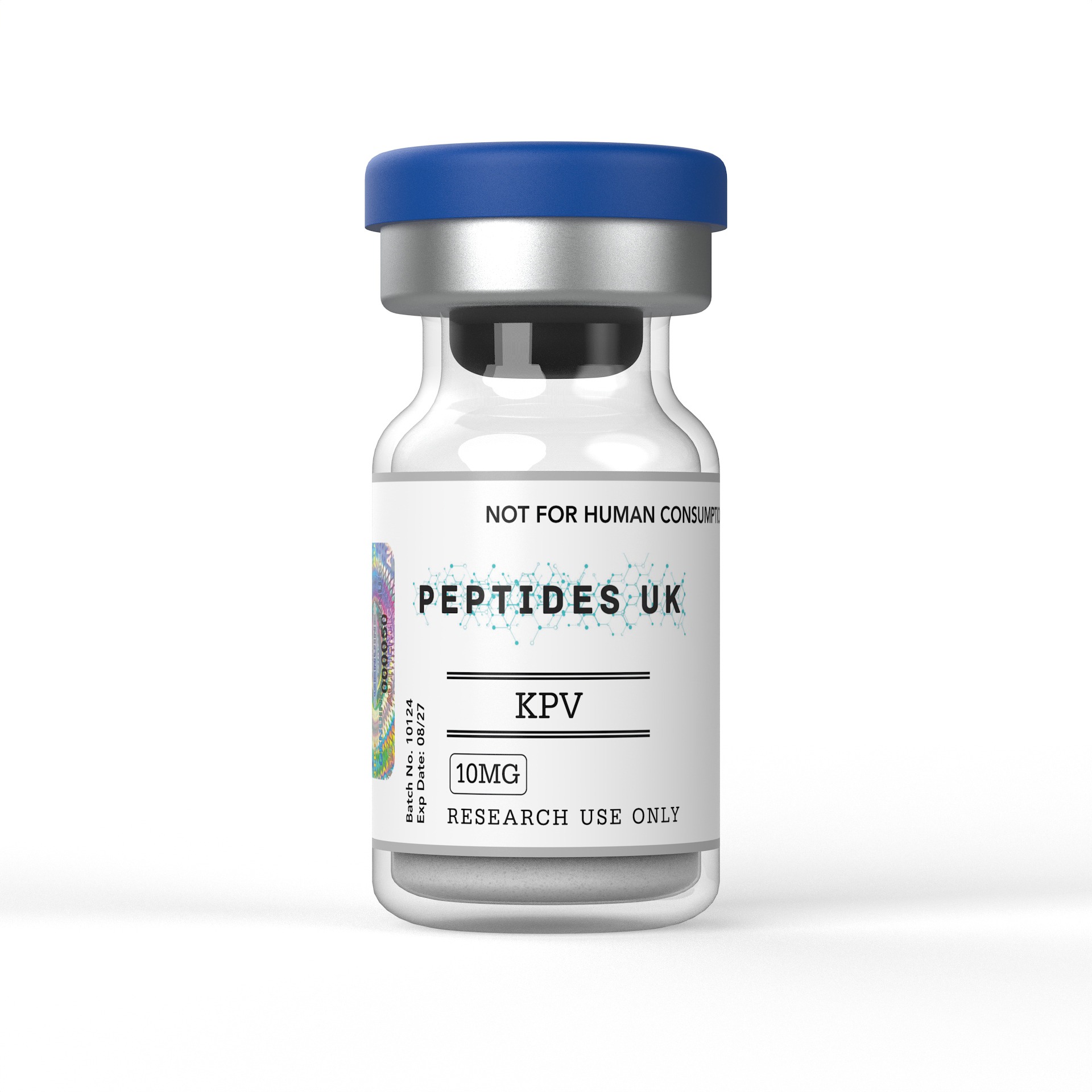
KPV EU – Buy Online | In Stock & Ready to Ship
Buy KPV in Europe with fast shipping and guaranteed ≥99% purity — verified with COA and HPLC documentation. A trusted choice for peptides EU research teams rely on, with no customs delays or lengthy international wait times. Whether you’re searching for KPV Europe suppliers, looking to buy KPV in the EU, or sourcing peptides Europe-wide, we have you covered. Research teams across the EU can count on consistent stock, rapid fulfilment and full batch documentation every time.
For research use only. Not intended for human or veterinary use.
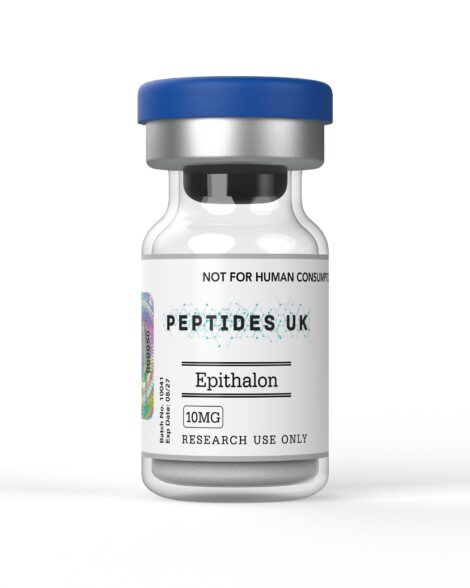

KPV is a synthetic anti-inflammatory tripeptide derived from the C-terminal sequence of alpha-melanocyte stimulating hormone (α-MSH), available to buy in Europe for laboratory research into inflammatory signalling, melanocortin receptor pharmacology, gut inflammation biology, and innate immune regulation.
Laboratories and research institutions across the EU can order verified, research-grade KPV with fast international dispatch to Europe, full batch documentation, and ≥99% purity confirmed by HPLC and Mass Spectrometry.
✅ ≥99% Purity — HPLC & Mass Spectrometry Verified
✅ Batch-Specific Certificate of Analysis (CoA)
✅ Sterile Lyophilised Powder | GMP Manufactured
✅ Fast Dispatch to EU & Europe | Tracked Shipping
KPV is a synthetic tripeptide — sequence Lys-Pro-Val — corresponding to the C-terminal three amino acid sequence of alpha-melanocyte stimulating hormone (α-MSH), the 13 amino acid neuropeptide derived from pro-opiomelanocortin (POMC) that exerts potent anti-inflammatory and immunomodulatory effects through melanocortin receptor signalling. As the terminal tripeptide of α-MSH, KPV retains significant anti-inflammatory biological activity in a dramatically simplified molecular structure — making it one of the most studied short anti-inflammatory peptide fragments in the melanocortin research literature.
Alpha-MSH is well established as one of the most potent endogenous anti-inflammatory neuropeptides — acting through melanocortin receptors (particularly MC1R and MC3R) to suppress NF-κB-driven pro-inflammatory gene expression, reduce cytokine production, and modulate innate immune cell activity in peripheral tissues and the central nervous system. Research established that the C-terminal KPV tripeptide retains a meaningful portion of this anti-inflammatory activity — producing NF-κB inhibition and cytokine suppression in inflammatory models — while lacking the full receptor binding profile and pigmentation-related activities of intact α-MSH. This functional retention in a three amino acid structure has made KPV a widely used research tool for studying the minimal active sequence requirements of α-MSH anti-inflammatory activity and for investigating melanocortin-independent anti-inflammatory mechanisms.
A particularly significant and growing area of KPV research is its activity in the gastrointestinal tract — where studies have characterised direct anti-inflammatory effects on intestinal epithelial cells and immune cells in the gut mucosa, making it a research tool of substantial interest for studying the molecular mechanisms of intestinal inflammation and gut barrier biology. Its small size, stability advantages over full-length α-MSH, and well-characterised anti-inflammatory profile have established KPV as a consistent subject of interest in European inflammatory disease research.
In laboratory settings, KPV is studied primarily as an anti-inflammatory tripeptide with melanocortin pathway connections, with particular research focus on gut inflammation biology and innate immune regulation. EU and European researchers working with KPV typically focus on:
All research applications are for in vitro and pre-clinical use only.
KPV has a well-established and growing research literature centred on anti-inflammatory biology, gut mucosal immunology, and melanocortin peptide pharmacology — with consistent findings across multiple inflammatory model systems supporting its characterisation as a potent short anti-inflammatory peptide.
NF-κB inhibition: Foundational studies characterising KPV’s anti-inflammatory mechanism documented its inhibition of NF-κB activation in stimulated immune and epithelial cells — with research showing reduced nuclear translocation of NF-κB subunits and downstream suppression of NF-κB target gene expression including pro-inflammatory cytokines and adhesion molecules. These mechanistic studies established NF-κB pathway inhibition as the central molecular basis of KPV’s anti-inflammatory activity.
Gut inflammation research: A significant body of pre-clinical literature has examined KPV in intestinal inflammation models. Studies in DSS-induced and TNBS-induced colitis models have documented KPV administration producing reductions in disease activity index scores, histological inflammation markers, and mucosal cytokine levels — with findings suggesting meaningful anti-inflammatory activity in gut tissue. These findings have established gut inflammation as the primary research application of KPV and have driven growing European research interest in its intestinal biology.
Intestinal epithelial barrier research: Studies have characterised KPV’s effects on intestinal epithelial cell tight junction integrity and barrier permeability in inflammatory conditions — with findings suggesting protective effects on barrier function under inflammatory challenge. These findings connect KPV’s anti-inflammatory activity to gut barrier biology and have contributed to understanding of how melanocortin-derived peptides influence intestinal epithelial physiology.
Cytokine suppression profile: Multiple studies have documented KPV-mediated reduction of TNF-α, IL-1β, IL-6, and IL-8 production in stimulated macrophage, epithelial, and immune cell models — establishing a consistent cytokine suppression profile across different inflammatory stimuli and cell types. This broad cytokine suppression pattern reflects NF-κB inhibition as the upstream mechanism and has been characterised across both in vitro and in vivo research models.
Melanocortin receptor independence: An important mechanistic finding in the KPV literature is evidence that some of its anti-inflammatory effects may occur through mechanisms partially independent of classical melanocortin receptor binding — suggesting intracellular mechanisms of action that differ from full-length α-MSH’s receptor-mediated pathway. This finding has driven research into the precise molecular mechanisms underlying KPV’s anti-inflammatory activity and its relationship to the broader melanocortin anti-inflammatory system.
Oral delivery research: Studies have examined nanoparticle and hydrogel formulation strategies for oral KPV delivery — with research characterising how encapsulation strategies influence peptide stability, gut mucosal distribution, and anti-inflammatory efficacy in intestinal inflammation models. This formulation research has contributed to the broader field of oral therapeutic peptide delivery and has specifically advanced KPV’s profile as a gut-targeted anti-inflammatory research tool.
Skin inflammation research: Studies examining KPV in dermal inflammation models have characterised its effects on keratinocyte cytokine production and skin immune cell inflammatory activation — reflecting the established role of α-MSH in skin immune regulation and contributing to understanding of how C-terminal α-MSH fragments influence cutaneous inflammatory biology.
| Compound | Type | Primary Mechanism | Key Research Application |
|---|---|---|---|
| KPV | α-MSH C-terminal tripeptide | NF-κB inhibition, melanocortin pathway | Gut inflammation, anti-inflammatory biology, innate immune regulation |
| α-MSH (full) | 13aa POMC-derived neuropeptide | MC1R/MC3R agonism — full profile | Reference melanocortin anti-inflammatory biology |
| BPC-157 | Pentadecapeptide | Pleiotropic repair and anti-inflammatory | Gut repair, tissue healing, anti-inflammatory |
| VIP | 28aa neuropeptide | VPAC1/VPAC2 receptor agonism | Gut inflammation, immune regulation, neuropeptide biology |
| LL-37 | Cathelicidin antimicrobial peptide | TLR modulation, immune regulation | Innate immunity, antimicrobial, inflammation |
| Thymosin β4 | 43aa thymic peptide | Actin sequestration, anti-inflammatory | Tissue repair, immune regulation, wound healing |
Every order of KPV peptide dispatched to EU and European research institutions includes:
Yes. We supply research-grade KPV with fast tracked international dispatch to all EU member states and wider European destinations including Germany, France, Netherlands, Spain, Italy, Poland, and beyond. Packaging is designed to maintain peptide integrity throughout transit and all orders include full batch documentation. KPV is supplied strictly for laboratory research use only.
Alpha-melanocyte stimulating hormone (α-MSH) is a 13 amino acid neuropeptide derived from pro-opiomelanocortin (POMC) — the precursor protein that also gives rise to ACTH, β-endorphin, and other bioactive peptides. α-MSH acts through melanocortin receptors to produce anti-inflammatory, immunomodulatory, and pigmentation-related effects. KPV corresponds to the final three amino acids of α-MSH — the C-terminal Lys-Pro-Val sequence — and retains significant anti-inflammatory activity from this minimal sequence. Research has established that the C-terminal tripeptide is important for α-MSH’s anti-inflammatory biological activity, making KPV a simplified research tool for studying this aspect of melanocortin biology without the full receptor binding profile and pigmentation effects of intact α-MSH.
NF-κB (Nuclear Factor kappa-light-chain-enhancer of activated B cells) is a transcription factor complex that functions as the master regulator of inflammatory gene expression — controlling the transcription of genes encoding pro-inflammatory cytokines, chemokines, adhesion molecules, and enzymes including TNF-α, IL-1β, IL-6, COX-2, and iNOS. Under normal conditions NF-κB is held inactive in the cytoplasm; inflammatory stimuli trigger its activation and nuclear translocation where it drives inflammatory gene programmes. Dysregulated NF-κB activity is implicated in a wide range of inflammatory and autoimmune disease processes — making NF-κB inhibition a central mechanistic target in inflammatory biology research. KPV’s documented inhibition of NF-κB activation provides a mechanistic basis for its broad anti-inflammatory effects across multiple cell types and inflammatory models.
The gastrointestinal tract is one of the most immunologically active sites in the body — with the gut mucosa continuously balancing tolerance to commensal microbiota and food antigens against responses to genuine pathogens. Intestinal inflammation involves dysregulated NF-κB activation in epithelial and immune cells driving pro-inflammatory cytokine production, barrier disruption, and immune cell recruitment. KPV’s NF-κB inhibitory activity, its documented effects on intestinal epithelial cell inflammatory responses, and its direct effects on gut mucosal immune cells have established it as a research tool specifically relevant to intestinal inflammation biology. Its small size additionally makes it a tractable subject for oral delivery research — with studies examining peptide nanoparticle formulations for targeted gut mucosal delivery in colitis models.
Both KPV and BPC-157 are studied in gut inflammation research but through distinct mechanisms and with different biological profiles. KPV is a melanocortin-derived tripeptide with a primary mechanism centred on NF-κB inhibition and cytokine suppression — acting as a targeted anti-inflammatory signal with well-characterised connections to the α-MSH/melanocortin immune regulation system. BPC-157 is a pentadecapeptide derived from a gastric juice protein sequence with a broader, more pleiotropic biological profile encompassing tissue repair, angiogenesis, gut motility, and anti-inflammatory effects through multiple proposed mechanisms. The two compounds are studied as complementary tools examining different aspects of peptide-mediated gut biology.
The relationship between KPV and melanocortin receptor signalling is an active area of mechanistic research. While KPV is derived from the C-terminal sequence of α-MSH — a well-characterised melanocortin receptor agonist — studies have provided evidence that some of KPV’s anti-inflammatory effects may occur through mechanisms partially independent of classical MC1R and MC3R binding. Research has suggested intracellular mechanisms of action including direct effects on NF-κB pathway components that may not require cell surface receptor engagement. Understanding the relative contributions of receptor-dependent and receptor-independent mechanisms to KPV’s anti-inflammatory profile remains an active research question in the melanocortin peptide pharmacology literature.
Allow the vial to reach room temperature before opening. Add sterile water or an appropriate laboratory buffer slowly down the vial wall and swirl gently — do not shake. KPV is a small, water-soluble tripeptide that reconstitutes readily in aqueous buffers without requirement for organic co-solvents. Prepare at your protocol’s required concentration, aliquot, and store at -80°C to minimise freeze-thaw degradation. Standard peptide handling protocols apply.
Orders are dispatched promptly via tracked international courier. Delivery to EU and European destinations typically takes 3–7 working days depending on location, with packaging designed to protect peptide stability throughout transit.
| Parameter | Detail |
|---|---|
| Sequence | Lys-Pro-Val |
| Type | Synthetic α-MSH C-Terminal Tripeptide |
| Length | 3 amino acids |
| Molecular Weight | 341.43 g/mol |
| Primary Mechanism | NF-κB inhibition, melanocortin pathway anti-inflammatory activity |
| Primary Research Interest | Gut inflammation, anti-inflammatory biology, innate immune regulation |
| Purity | ≥99% |
| Verification | HPLC & Mass Spectrometry |
| Form | Sterile Lyophilised Powder |
| Solubility | Sterile water or laboratory buffer |
| Storage | -20°C, protected from light and moisture |
| Intended Use | Research use only |
KPV is supplied exclusively for legitimate scientific research conducted within licensed laboratory environments. This product is not approved for human consumption, self-administration, or any therapeutic, clinical, or veterinary application. It must be handled solely by qualified researchers in compliance with applicable EU regulations, national legislation, and institutional ethics guidelines. By purchasing, you confirm this compound will be used exclusively for approved in vitro or pre-clinical research purposes.


WhatsApp us
Receive News
