PRODUCTS SOLD ON PEPTIDESLABEU.COM ARE FOR RESEARCH PURPOSES ONLY AND ARE NOT FOR HUMAN OR VETERINARY USE.
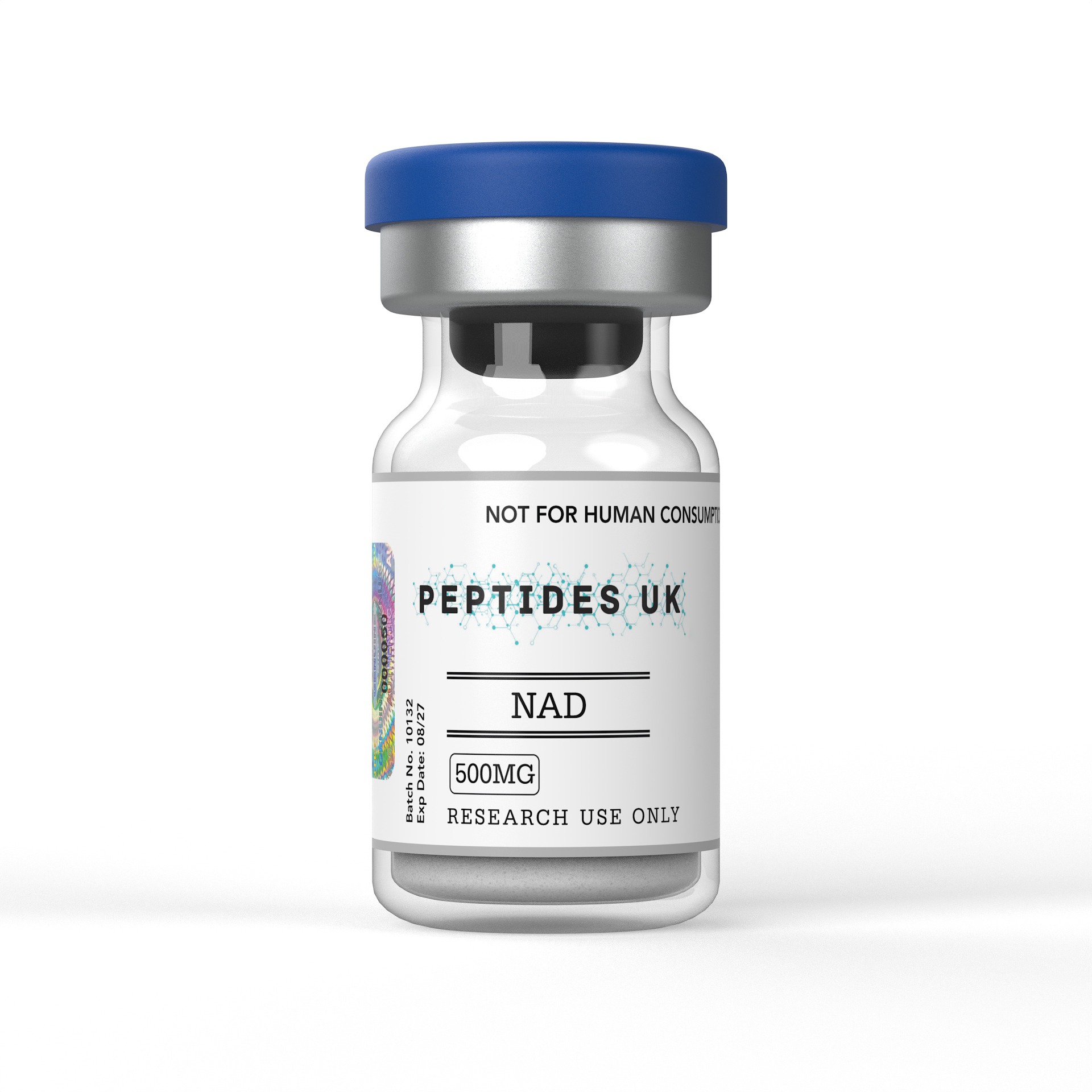
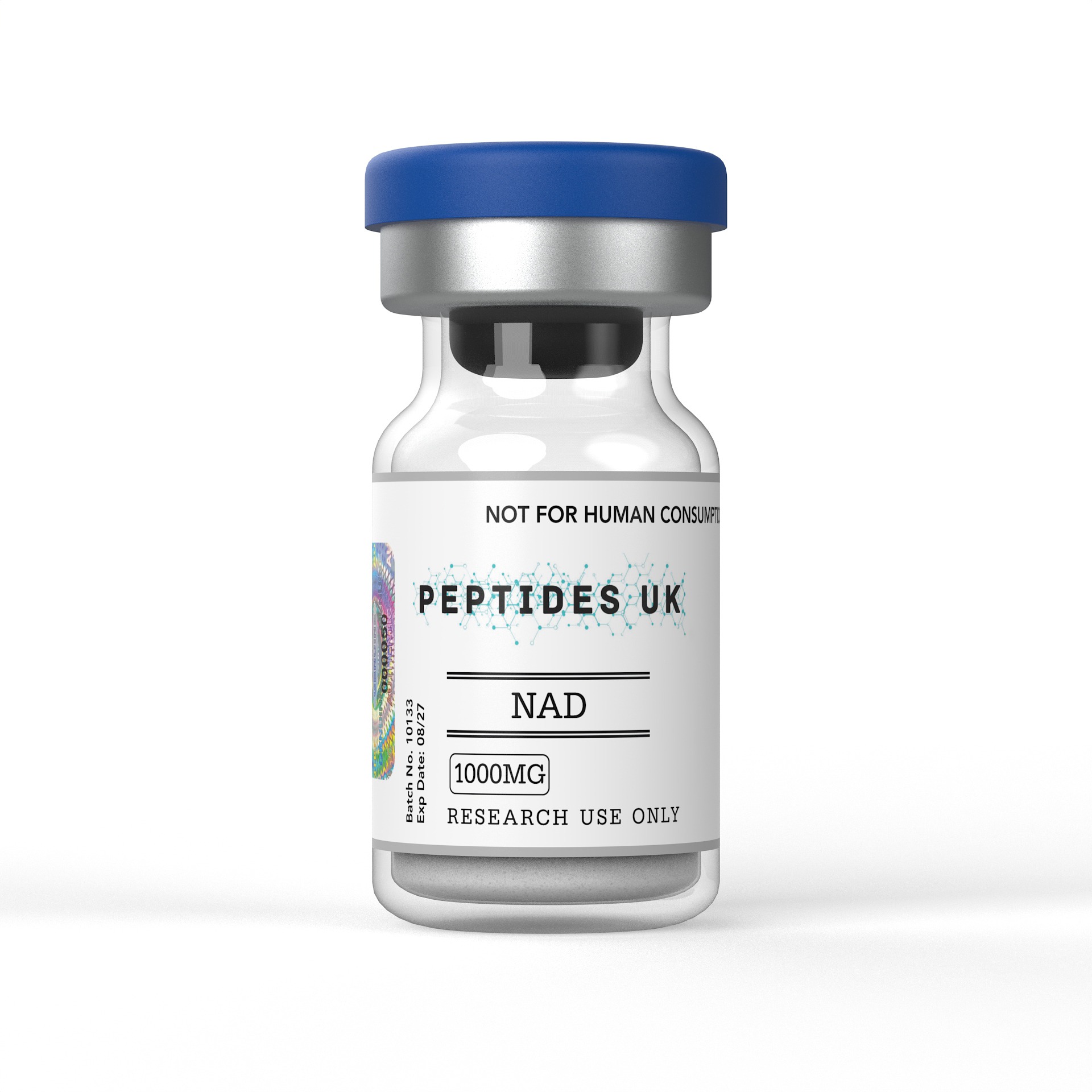
€112.00 – €159.00Price range: €112.00 through €159.00
NAD+ EU – Buy Online | In Stock & Ready to Ship
Buy NAD+ in Europe with fast shipping and guaranteed ≥99% purity — verified with COA and HPLC documentation. A trusted choice for research supplies EU teams rely on, with no customs delays or lengthy international wait times. Whether you’re searching for NAD+ Europe suppliers, looking to buy NAD+ in the EU, or sourcing research supplies Europe-wide, we have you covered. Research teams across the EU can count on consistent stock, rapid fulfilment and full batch documentation every time.
For research use only. Not intended for human or veterinary use.


NAD⁺ (Nicotinamide Adenine Dinucleotide) is a fundamental redox coenzyme and signalling molecule present in all living cells, available to buy in Europe for laboratory research into cellular energy metabolism, sirtuin biology, PARP-dependent DNA repair, NAD⁺ biosynthesis and consumption pathways, mitochondrial function, and the biology of NAD⁺ decline in ageing and disease.
Laboratories and research institutions across the EU can order verified, research-grade NAD⁺ with fast international dispatch to Europe, full batch documentation, and ≥99% purity confirmed by HPLC and Mass Spectrometry.
✅ ≥99% Purity — HPLC & Mass Spectrometry Verified
✅ Batch-Specific Certificate of Analysis (CoA)
✅ Sterile Lyophilised Powder | GMP Manufactured
✅ Fast Dispatch to EU & Europe | Tracked Shipping
Nicotinamide Adenine Dinucleotide (NAD⁺) is a dinucleotide coenzyme consisting of two nucleotides — nicotinamide mononucleotide (NMN) and adenosine monophosphate (AMP) — joined by a pyrophosphate linkage. It exists in two interconvertible redox forms: the oxidised form NAD⁺ and the reduced form NADH, with the ratio of NAD⁺ to NADH (the NAD⁺/NADH ratio) serving as a fundamental indicator of cellular redox state and metabolic activity. NAD⁺ is biosynthesised through three converging pathways: the de novo pathway from tryptophan via the kynurenine pathway; the Preiss-Handler pathway from nicotinic acid (niacin); and the salvage pathway from nicotinamide (NAM) or nicotinamide riboside (NR) — the latter two being the predominant routes of NAD⁺ maintenance in mammalian tissues.
NAD⁺ occupies a unique position in cell biology as both an essential redox carrier in energy metabolism and an obligate substrate for a family of NAD⁺-consuming signalling enzymes that use it not as a cofactor but as a consumed substrate — cleaving the glycosidic bond between nicotinamide and ribose to release NAM and generate ADP-ribose or cyclic ADP-ribose products. The primary classes of NAD⁺-consuming enzymes are: sirtuins (SIRT1–7) — NAD⁺-dependent protein deacylases and ADP-ribosyltransferases that regulate metabolic gene expression, stress responses, and longevity pathways; poly(ADP-ribose) polymerases (PARPs) — NAD⁺-dependent DNA damage sensors and repair facilitators that consume the majority of cellular NAD⁺ during genotoxic stress; CD38 — a NAD⁺ glycohydrolase and cyclic ADP-ribose synthase implicated in calcium signalling and innate immune function that is a primary driver of age-associated NAD⁺ decline; and SARM1 — a NAD⁺ hydrolase activated in injured axons that drives NAD⁺ depletion as the executioner mechanism of Wallerian axonal degeneration.
NAD⁺ levels decline significantly with age across multiple tissues and species — a finding that has attracted substantial research attention as a potential mechanistic contributor to age-associated metabolic dysfunction, mitochondrial impairment, impaired DNA repair, and loss of sirtuin-mediated metabolic regulation. The causal relationship between NAD⁺ decline and ageing biology, the mechanisms driving age-associated NAD⁺ depletion (primarily CD38 upregulation and PARP hyperactivation from accumulated DNA damage), and the biological consequences of NAD⁺ restoration through precursor supplementation or direct delivery have become among the most active areas of metabolic ageing research — with NAD⁺ itself serving as both the subject of study and a direct research tool for cell biology and biochemical assays.
In laboratory settings, NAD⁺ is studied across cellular energy metabolism, sirtuin pathway biology, DNA repair research, mitochondrial function, NAD⁺ biosynthesis and consumption pathway characterisation, and ageing biology. EU and European researchers working with NAD⁺ typically focus on:
Sirtuin biology and NAD⁺-dependent deacylase research — The seven mammalian sirtuins (SIRT1–7) are NAD⁺-dependent protein deacylases and mono-ADP-ribosyltransferases that regulate a broad range of cellular processes including mitochondrial biogenesis (SIRT1/PGC-1α axis), fatty acid oxidation (SIRT3), gluconeogenesis (SIRT1/FOXO1), circadian rhythm (SIRT1/CLOCK-BMAL1), DNA repair (SIRT1/6), and stress resistance. Each sirtuin reaction consumes one molecule of NAD⁺ per deacylation event — making sirtuin activity strictly dependent on NAD⁺ availability. Studies use NAD⁺ to examine sirtuin enzymatic activity in cell-free assays and cell systems, characterise NAD⁺ concentration dependence of sirtuin kinetics, and examine how NAD⁺ availability regulates sirtuin-dependent transcriptional programmes and metabolic outputs.
PARP-dependent DNA damage repair research — PARP1 and PARP2 are NAD⁺-consuming DNA damage sensors that bind single- and double-strand DNA breaks and catalyse the synthesis of poly(ADP-ribose) (PAR) chains on histones, DNA repair factors, and PARP itself — recruiting and activating the base excision repair (BER) and single-strand break repair (SSBR) machinery. Each PAR synthesis reaction consumes multiple NAD⁺ molecules, making PARP activation a major driver of acute NAD⁺ depletion following genotoxic stress. Studies use NAD⁺ in PARP activity assays, examine the relationship between cellular NAD⁺ levels and DNA repair efficiency, and characterise how NAD⁺ depletion following PARP hyperactivation impairs cell viability through bioenergetic collapse — mechanisms relevant to both cancer biology and the DNA damage accumulation theory of ageing.
Cellular energy metabolism and redox biology — As the primary hydride carrier between catabolic pathways and the mitochondrial electron transport chain, NAD⁺ is essential for glycolysis (GAPDH, LDH), the tricarboxylic acid (TCA) cycle (isocitrate dehydrogenase, α-ketoglutarate dehydrogenase, malate dehydrogenase), and fatty acid β-oxidation — with each oxidative step regenerating NADH that is reoxidised to NAD⁺ by complex I of the electron transport chain. Studies use NAD⁺ in biochemical assays of dehydrogenase enzyme activity, characterise the NAD⁺/NADH ratio as an indicator of cellular metabolic state, and examine how perturbations in NAD⁺ availability affect glycolytic and oxidative phosphorylation flux, ATP production, and the balance between aerobic and anaerobic metabolism.
Mitochondrial function and biogenesis research — NAD⁺ availability directly regulates mitochondrial function through multiple mechanisms: as the electron acceptor for mitochondrial matrix dehydrogenases driving NADH production for complex I; as the substrate for mitochondrial sirtuins (SIRT3, SIRT4, SIRT5) that regulate the acetylation state and activity of mitochondrial metabolic enzymes; and as a regulator of SIRT1-dependent PGC-1α deacetylation and activation — the master transcriptional regulator of mitochondrial biogenesis. Studies examining mitochondrial membrane potential, oxygen consumption rate (OCR), electron transport chain complex activity, and mitochondrial biogenesis use NAD⁺ manipulation to probe the NAD⁺-dependence of mitochondrial functional parameters.
NAD⁺ biosynthesis pathway research — The three NAD⁺ biosynthesis routes — de novo from tryptophan, Preiss-Handler from nicotinic acid, and the NMN/NR salvage pathway — converge at the level of NMN (nicotinamide mononucleotide), which is adenylated by NMNAT1/2/3 to produce NAD⁺. Studies use exogenous NAD⁺ alongside pathway intermediates (NMN, NR, NAM, NA) to characterise the relative flux through each biosynthetic route, examine the regulation of rate-limiting biosynthetic enzymes (NAMPT — the rate-limiting enzyme of the salvage pathway), and establish the tissue-specific dependence of NAD⁺ homeostasis on each biosynthetic arm.
CD38 biology and NAD⁺ consumption research — CD38 is a multifunctional NAD⁺ glycohydrolase and cyclic ADP-ribose synthase expressed in immune cells, the liver, and multiple other tissues — and is the primary driver of age-associated NAD⁺ decline through its age-dependent upregulation. Studies use NAD⁺ as the substrate in CD38 enzymatic activity assays, examine the relationship between CD38 expression levels and tissue NAD⁺ content, and characterise the downstream consequences of CD38-mediated NAD⁺ depletion on sirtuin activity, mitochondrial function, and cellular metabolism in ageing and inflammatory contexts.
Ageing and NAD⁺ decline biology — NAD⁺ levels decline by 40–60% in multiple tissues between young adulthood and old age in rodents and humans — driven primarily by CD38 upregulation, PARP hyperactivation from accumulated DNA damage, and potentially reduced NAMPT-mediated salvage pathway flux. Studies examining the causal contributions of NAD⁺ decline to age-associated phenotypes — including mitochondrial dysfunction, impaired DNA repair, reduced sirtuin activity, and metabolic dysregulation — use exogenous NAD⁺ and NAD⁺ precursors to determine the reversibility of these functional impairments through NAD⁺ restoration. These ageing biology studies have established NAD⁺ as one of the most extensively investigated metabolic targets in the biology of ageing field.
Wallerian degeneration and SARM1-mediated axonal NAD⁺ depletion research — SARM1 is an intrinsic NAD⁺ hydrolase activated in injured axons that drives rapid, catastrophic NAD⁺ depletion as the executioner step of Wallerian degeneration — the programmed self-destruction of the distal axon segment following injury. Studies use NAD⁺ to characterise SARM1 enzymatic activity, examine the kinetics of axonal NAD⁺ depletion following injury, and test the hypothesis that NAD⁺ supplementation or SARM1 inhibition can protect axons from degeneration — providing a research tool for both the mechanistic study of axonal NAD⁺ metabolism and the pre-clinical investigation of neuroprotective strategies in peripheral nerve injury and neurodegenerative disease models.
NAD⁺/NADH ratio and metabolic state assessment — The intracellular NAD⁺/NADH ratio reflects the balance between oxidative and reductive metabolic activity — rising during periods of increased fatty acid oxidation and oxidative phosphorylation and falling during glycolytic activity and reductive biosynthesis. Studies use NAD⁺ and NADH measurements — by enzymatic cycling assay, HPLC, or genetically encoded biosensors — to characterise the metabolic state of cells under different nutrient, oxygen, and hormonal conditions, and to examine how pharmacological or genetic perturbations alter the cellular redox balance and the NAD⁺-dependent signalling outputs linked to it.
Cyclic ADP-ribose and calcium signalling research — CD38-catalysed conversion of NAD⁺ to cyclic ADP-ribose (cADPR) produces a second messenger that mobilises calcium from intracellular stores through ryanodine receptor activation — linking NAD⁺ metabolism to intracellular calcium signalling. Studies examining the NAD⁺ → cADPR → calcium signalling axis use NAD⁺ as the biosynthetic substrate for cADPR production, characterising the relationship between NAD⁺ availability, CD38 activity, cADPR levels, and intracellular calcium dynamics in lymphocytes, pancreatic β-cells, and cardiac muscle cells.
Cancer metabolism and NAD⁺ dependency research — Many cancer cell types exhibit elevated NAD⁺ consumption through PARP hyperactivation, increased glycolytic NAD⁺ demand, and upregulated NAMPT expression — creating an increased reliance on NAD⁺ biosynthesis that has been exploited as a therapeutic vulnerability. Studies examining cancer cell NAD⁺ metabolism use NAD⁺ measurements and supplementation experiments to characterise tumour cell NAD⁺ dependency, examine the consequences of NAD⁺ depletion through NAMPT inhibition on cancer cell viability, and investigate the relationship between NAD⁺ availability and cancer cell sensitivity to genotoxic and PARP inhibitor treatments.
Immunometabolism and NAD⁺ in immune cell function — NAD⁺ metabolism is a central regulator of immune cell activation, differentiation, and effector function — with PARP1 activation at DNA damage sites in activated lymphocytes, sirtuin-dependent regulation of NF-κB-driven inflammatory gene expression, and CD38-mediated NAD⁺ consumption in innate immune cells all linking NAD⁺ availability to immune biology. Studies in macrophage, T cell, and dendritic cell systems use NAD⁺ supplementation and depletion to examine the immunometabolic consequences of altered NAD⁺ availability on inflammatory cytokine production, T cell activation, and the metabolic reprogramming that accompanies immune cell activation.
All research applications are for in vitro and pre-clinical use only.
NAD⁺ has one of the most extensive research literatures in biochemistry and cell biology — spanning over a century from its discovery as a fermentation cofactor in 1906 through to its contemporary position as a central subject of ageing biology, metabolic disease research, and NAD⁺-targeted therapeutic development.
NAD⁺ decline in ageing — landmark characterisation: Studies by Imai, Guarente, and colleagues established that NAD⁺ levels decline significantly with age in muscle, liver, adipose tissue, and brain across rodent models — and that this decline is causally linked to reduced mitochondrial function, impaired sirtuin activity, and the metabolic dysfunction of aged tissues. These studies established the NAD⁺ decline-ageing connection as a central paradigm of the field and motivated systematic investigation of NAD⁺ restoration strategies — including precursor supplementation with NMN and NR — as approaches to reversing age-associated metabolic dysfunction.
CD38 as the primary driver of age-associated NAD⁺ decline: Studies by Chini and colleagues documented that CD38 expression increases dramatically with age in multiple tissues — driven partly by the accumulation of senescent cells and their associated SASP-induced inflammatory signalling — and that CD38 knockout mice maintain high NAD⁺ levels into old age with attenuated age-associated metabolic decline. These CD38 biology studies established the mechanistic basis of age-associated NAD⁺ depletion and identified CD38 as a primary pharmacological target for NAD⁺ preservation strategies.
Sirtuin–NAD⁺ axis in metabolic regulation: Foundational studies characterising SIRT1’s NAD⁺-dependent deacetylase activity and its regulation of PGC-1α, FOXO transcription factors, and NF-κB established the sirtuin–NAD⁺ axis as a fundamental link between cellular metabolic state (encoded in the NAD⁺/NADH ratio) and transcriptional regulation of metabolic adaptation, stress resistance, and inflammatory responses. These studies established that NAD⁺ availability is not merely a permissive factor for sirtuin activity but an active regulatory input that couples the cellular energy state to sirtuin-dependent gene expression programmes.
PARP–NAD⁺ competition and the DNA damage–metabolic connection: Studies examining the metabolic consequences of PARP hyperactivation following genotoxic stress documented that massive NAD⁺ consumption by activated PARP1 can deplete cellular NAD⁺ to levels that impair mitochondrial function and cause cell death through bioenergetic collapse — independent of direct apoptotic DNA damage signalling. These PARP–NAD⁺ competition studies established the concept that the DNA damage response and cellular energy metabolism are biochemically coupled through shared NAD⁺ dependency — with implications for cancer treatment, ischaemia-reperfusion injury, and the accumulated DNA damage theory of ageing.
SARM1 and axonal NAD⁺ depletion: The identification of SARM1 as a NAD⁺ hydrolase and the executioner of Wallerian degeneration — with SARM1-knockout mice showing dramatically protected axons following nerve injury — established NAD⁺ metabolism as the biochemical mechanism of axonal self-destruction. These findings identified a completely new function for NAD⁺ in neuronal biology and established the SARM1–NAD⁺ axis as a target for neuroprotective intervention in peripheral nerve injury and neurodegenerative disease research.
NAD⁺ precursor restoration studies: A large body of pre-clinical studies in rodent models documented that NMN and NR supplementation restores NAD⁺ levels in aged tissues, reverses mitochondrial dysfunction, improves muscle function, enhances DNA repair capacity, and attenuates age-associated metabolic decline — with the improvements attributable primarily to restoration of sirtuin activity and mitochondrial biogenesis through the SIRT1/PGC-1α axis. These precursor restoration studies provided the experimental validation framework within which direct NAD⁺ research is contextualised — establishing the causal consequences of NAD⁺ decline and the reversibility of NAD⁺-dependent functional impairments.
NAD⁺ and circadian rhythm regulation: Studies characterising the circadian regulation of NAD⁺ biosynthesis — with NAMPT expression oscillating under circadian clock control through CLOCK-BMAL1-driven transcription — established a direct mechanistic link between the circadian clock and NAD⁺-dependent sirtuin activity. SIRT1 deacetylates and regulates BMAL1, creating a feedback loop in which NAD⁺ availability and circadian clock function are mutually regulatory — with disrupted circadian NAD⁺ oscillation contributing to the metabolic consequences of circadian disruption.
| Compound | Class | Relationship to NAD⁺ | Primary Research Application | Key Research Distinction |
|---|---|---|---|---|
| NAD⁺ | Dinucleotide coenzyme | Direct — the molecule itself | Redox assays, sirtuin activity, PARP assays, metabolic studies | Reference molecule; direct supplementation and cell-free biochemistry |
| NADH | Reduced form of NAD⁺ | Redox pair — interconverts with NAD⁺ | NAD⁺/NADH ratio; ETC research; redox state assessment | Reductive counterpart; ratio to NAD⁺ encodes metabolic state |
| NMN (Nicotinamide Mononucleotide) | NAD⁺ biosynthesis precursor | Immediate precursor — NMNAT converts NMN → NAD⁺ | Salvage pathway flux; NAD⁺ restoration in vivo; ageing models | Cell/tissue permeable precursor; primary in vivo NAD⁺ restoration tool |
| NR (Nicotinamide Riboside) | NAD⁺ biosynthesis precursor | NRK converts NR → NMN → NAD⁺ | Salvage pathway; oral bioavailability research; ageing studies | Two-step precursor; orally bioavailable; clinical-stage NAD⁺ repletion |
| Nicotinamide (NAM) | NAD⁺ salvage precursor + SIRT inhibitor | NAMPT converts NAM → NMN → NAD⁺ | NAMPT regulation; NAD⁺ salvage; sirtuin inhibition at high concentrations | Dual role — NAD⁺ precursor and feedback sirtuin inhibitor |
| NADP⁺ / NADPH | Phosphorylated NAD⁺ redox pair | Distinct pool — phosphorylated at 2′ ribose | Anabolic reductive biosynthesis; antioxidant defence (glutathione, thioredoxin) | Anabolic redox pair; pentose phosphate pathway; distinct from NAD⁺/NADH catabolic pool |
| FK866 (NAMPT inhibitor) | NAD⁺ biosynthesis inhibitor | Depletes NAD⁺ by blocking salvage pathway | NAD⁺ depletion model; cancer NAD⁺ dependency; NAMPT biology | Pharmacological NAD⁺ depletion tool; NAMPT inhibition reference |
| Olaparib / PARP inhibitors | PARP1/2 inhibitors | Reduce NAD⁺ consumption by blocking PARP | PARP biology; DNA repair; NAD⁺ conservation under genotoxic stress | NAD⁺ consumption blockade at PARP; cancer synthetic lethality research |
Every order of NAD⁺ dispatched to EU and European research institutions includes:
Can I Buy NAD⁺ in the EU and Europe?
Yes. We supply research-grade NAD⁺ with fast tracked dispatch to all EU member states and wider European destinations. All orders include full batch documentation. NAD⁺ is supplied strictly for laboratory research use only.
What is the Difference Between NAD⁺ and its Precursors NMN and NR for Research Use?
NAD⁺, NMN, and NR represent different points of entry into NAD⁺ biology — each suited to distinct research applications. NAD⁺ itself is used in cell-free biochemical assays (sirtuin activity assays, PARP activity assays, dehydrogenase enzyme kinetics) where the molecule is added directly to reaction mixtures, and in acute cell treatment experiments examining the cellular consequences of extracellular NAD⁺ exposure. NMN and NR are precursors that enter cells through specific transporters and are intracellularly converted to NAD⁺ via the salvage pathway — making them the appropriate tools for raising intracellular NAD⁺ levels in intact cell and in vivo research models. The choice between precursors and direct NAD⁺ depends on whether the research question concerns NAD⁺ biochemistry (use NAD⁺ directly) or intracellular NAD⁺ homeostasis, precursor pathway flux, and NAD⁺ restoration biology (use NMN or NR).
Why Does NAD⁺ Decline With Age and Why Does This Matter for Research?
Age-associated NAD⁺ decline is driven by three converging mechanisms: upregulation of CD38 — a NAD⁺ glycohydrolase whose expression increases with age partly due to SASP-driven inflammatory signals from accumulating senescent cells — consuming NAD⁺ at an accelerating rate; hyperactivation of PARP1 in response to the increasing DNA damage burden of aged cells, consuming large amounts of NAD⁺ in repair signalling; and potentially reduced flux through the NAMPT-dependent salvage pathway. The consequence is a 40–60% reduction in tissue NAD⁺ levels that impairs sirtuin-dependent metabolic regulation, reduces mitochondrial function through both electron transport chain substrate limitation and SIRT3-dependent enzyme deacetylation, and compromises DNA repair capacity through NAD⁺-limited PARP activity. For research, NAD⁺ decline provides a mechanistic framework linking DNA damage accumulation, inflammation, mitochondrial dysfunction, and impaired metabolic adaptation as interconnected age-associated processes united by shared NAD⁺ dependency.
What is the Relationship Between NAD⁺ and Sirtuins?
Sirtuins are NAD⁺-dependent enzymes that consume — not merely use — NAD⁺ as a co-substrate in each catalytic cycle. The deacylation reaction mechanism cleaves the glycosidic bond of NAD⁺, releasing nicotinamide (which feeds back to inhibit sirtuin activity at high concentrations) and generating O-acetyl-ADP-ribose alongside the deacylated protein substrate. Because every sirtuin catalytic event requires and consumes one NAD⁺ molecule, sirtuin activity is directly proportional to NAD⁺ availability — making the intracellular NAD⁺ concentration a genuine regulatory input into sirtuin-dependent biology rather than merely a permissive condition. This stoichiometric NAD⁺ dependency means that changes in cellular NAD⁺ levels — whether from altered biosynthesis, increased consumption by CD38 or PARP, or exogenous supplementation — directly and proportionally modulate sirtuin activity and its downstream metabolic and transcriptional consequences.
What is the Difference Between NAD⁺ and NADP⁺ in Research?
NAD⁺ and NADP⁺ are structurally related dinucleotides — NADP⁺ carries an additional phosphate group on the 2′ hydroxyl of the adenosine ribose — but they serve distinct and largely non-overlapping metabolic functions. The NAD⁺/NADH pair operates primarily in catabolic oxidative reactions — glycolysis, TCA cycle, fatty acid oxidation — where substrates are oxidised and NAD⁺ is reduced to NADH, with NADH subsequently reoxidised by the mitochondrial electron transport chain to generate ATP. The NADP⁺/NADPH pair operates primarily in anabolic reductive reactions — fatty acid synthesis, cholesterol synthesis, nucleotide biosynthesis — and in antioxidant defence through the reduction of glutathione and thioredoxin. The two pools are largely compartmentalised and maintained at different NAD⁺/NADH versus NADP⁺/NADPH ratios reflecting their distinct metabolic roles — with the two redox couples connected through NNT (nicotinamide nucleotide transhydrogenase) in the mitochondrial inner membrane.
How is NAD⁺ Used in Cell-Free Biochemical Assays?
NAD⁺ is used as a substrate in multiple standard biochemical assay formats. In sirtuin deacylase activity assays, NAD⁺ is provided at defined concentrations alongside an acetylated peptide substrate — with deacetylation activity quantified by fluorescent or luminescent detection of nicotinamide release or by HPLC separation of NAD⁺ consumption products. In PARP activity assays, NAD⁺ is the substrate for PAR synthesis, with PARP activity quantified by colorimetric or immunoassay-based detection of PAR. In dehydrogenase enzyme kinetics assays, NAD⁺ reduction to NADH is monitored spectrophotometrically at 340 nm — with NADH absorbance providing a direct continuous readout of dehydrogenase activity. The high purity (≥99%) and accurate quantification of research-grade NAD⁺ are critical for the reproducibility and accuracy of these enzyme kinetic and activity assay applications.
How Do I Reconstitute NAD⁺ for Laboratory Use?
Reconstitute with sterile water or appropriate assay buffer (typically phosphate or HEPES-based buffer at pH 7.0–8.0) by dissolving directly — NAD⁺ is highly water-soluble and dissolves readily without organic co-solvents. Prepare stock solutions at required concentration, aliquot into single-use volumes, and store at -80°C protected from light — NAD⁺ is susceptible to hydrolysis and photodegradation at room temperature, and repeated freeze-thaw cycles accelerate degradation. For cell treatment experiments, prepare fresh working solutions immediately before use and do not expose to elevated temperatures. Verify concentration spectrophotometrically using the NAD⁺ extinction coefficient (ε₂₆₀ = 18,000 M⁻¹cm⁻¹) if accurate dosing is required for quantitative experiments.
How Quickly is NAD⁺ Delivered to Europe?
Delivery to EU and European destinations typically takes 3–7 working days via tracked international courier with packaging maintaining compound stability throughout transit.
| Parameter | Detail |
|---|---|
| Compound | Nicotinamide Adenine Dinucleotide (NAD⁺) — oxidised form |
| Molecular Formula | C₂₁H₂₇N₇O₁₄P₂ |
| Molecular Weight | 663.4 g/mol |
| Structure | Dinucleotide — NMN + AMP joined by pyrophosphate linkage |
| Redox Form | Oxidised (NAD⁺); reduced form is NADH |
| Primary Functions | Redox coenzyme (electron carrier); obligate substrate for sirtuins, PARPs, CD38, SARM1 |
| Key Consuming Enzymes | SIRT1–7 (deacylases); PARP1/2 (DNA repair); CD38 (glycohydrolase); SARM1 (axonal NAD⁺ hydrolase) |
| Biosynthesis Routes | De novo (tryptophan/kynurenine); Preiss-Handler (nicotinic acid); Salvage (NAM/NR/NMN via NAMPT/NMNAT) |
| Primary Research Interest | Sirtuin biology, PARP/DNA repair, ageing and NAD⁺ decline, mitochondrial function, CD38 biology, cancer metabolism, immunometabolism |
| Solubility | Highly water-soluble — aqueous buffer, no organic co-solvent required |
| Stability | Susceptible to hydrolysis and photodegradation — store at -80°C, protected from light; prepare fresh working solutions |
| Purity | ≥99% |
| Verification | HPLC & Mass Spectrometry |
| Form | Sterile Lyophilised Powder |
| Storage | -80°C, protected from light and moisture; avoid repeated freeze-thaw |
| Intended Use | Research use only |
NAD⁺ (Nicotinamide Adenine Dinucleotide) is supplied exclusively for legitimate scientific research conducted within licensed laboratory environments. This product is not approved for human consumption, self-administration, or any therapeutic, clinical, or veterinary application. It must be handled solely by qualified researchers in compliance with applicable EU regulations, national legislation, and institutional ethics guidelines. By purchasing, you confirm this compound will be used exclusively for approved in vitro or pre-clinical research purposes.


WhatsApp us
Receive News
