PRODUCTS SOLD ON PEPTIDESLABEU.COM ARE FOR RESEARCH PURPOSES ONLY AND ARE NOT FOR HUMAN OR VETERINARY USE.
€30.50 – €108.50Price range: €30.50 through €108.50
Oxytocin EU – Buy Online | In Stock & Ready to Ship
Buy Oxytocin in Europe with fast shipping and guaranteed ≥99% purity — verified with COA and HPLC documentation. A trusted choice for peptides EU research teams rely on, with no customs delays or lengthy international wait times. Whether you’re searching for Oxytocin Europe suppliers, looking to buy Oxytocin in the EU, or sourcing peptides Europe-wide, we have you covered. Research teams across the EU can count on consistent stock, rapid fulfilment and full batch documentation every time.
For research use only. Not intended for human or veterinary use.


Oxytocin is a naturally occurring nonapeptide neurohormone and one of the most extensively studied neuropeptides available to laboratories across Europe — investigated across social behaviour neuroscience, bonding and attachment biology, stress and anxiety modulation, HPA axis regulation, reproductive biology, cardiovascular physiology, and an expanding range of neuropsychiatric research applications including autism spectrum disorder, social anxiety, and post-traumatic stress biology. Research institutions and laboratories across the EU can source verified, research-grade Oxytocin peptide in Europe with fast dispatch and full batch documentation included.
✅ ≥99% Purity — HPLC & Mass Spectrometry Verified
✅ Batch-Specific Certificate of Analysis (CoA) Included
✅ Sterile Lyophilised Powder | GMP Manufactured
✅ Fast Dispatch Across EU & Europe | EU Peptides Stock
Oxytocin — Cys-Tyr-Ile-Gln-Asn-Cys-Pro-Leu-Gly-NH₂, a cyclic nonapeptide with a Cys1-Cys6 disulphide bridge — is an endogenous neuropeptide and neurohormone synthesised in the hypothalamic paraventricular and supraoptic nuclei and released both peripherally into the circulation from the posterior pituitary and centrally within the brain through axonal and dendritic release pathways. It is one of the oldest and most evolutionarily conserved neuropeptides characterised in vertebrate biology — with a biological role spanning peripheral reproductive physiology established in early 20th century research through to the complex social neuroscience applications that have made it one of the most actively researched neuropeptides in contemporary EU neuroscience.
Oxytocin acts through the oxytocin receptor — OXTR — a Gq/11-coupled class A GPCR expressed at high density in the uterus, mammary gland, hypothalamus, amygdala, nucleus accumbens, hippocampus, brainstem, and peripheral cardiovascular and immune tissues. Central OXTR activation drives the neurobiological responses underlying social bonding, trust, affiliative behaviour, anxiety reduction, and stress axis modulation that have established oxytocin as the primary research compound for studying the neurobiology of prosocial behaviour across EU social neuroscience programmes. Peripheral OXTR activation drives uterine contractility, milk ejection, and cardiovascular regulatory biology that established oxytocin’s classical physiological role and its clinical applications in obstetric medicine.
Oxytocin’s Cys1-Cys6 disulphide bridge is essential for biological activity — constraining the nonapeptide into the cyclic conformation required for OXTR binding and activation. The ring structure formed by the disulphide bridge and the C-terminal tripeptide tail together constitute the pharmacophore geometry required for receptor engagement. Synthetic oxytocin replicating the native nonapeptide sequence is the research standard for all OXTR pharmacology, social neuroscience, and neuroendocrine research applications across EU laboratories — providing the authentic native ligand reference for oxytocin receptor biology.
In controlled laboratory and pre-clinical research settings across EU and European institutions, Oxytocin is studied across social behaviour neuroscience, bonding and attachment biology, anxiety and stress modulation, HPA axis regulation, reproductive biology, cardiovascular physiology, neuropsychiatric disorder models, and pain biology:
Social Behaviour Neuroscience and Bonding Biology Research — Oxytocin is the primary research compound for studying the neurobiology of prosocial behaviour — used across EU social neuroscience programmes to characterise the neural circuits and molecular mechanisms through which OXTR activation promotes social bonding, affiliative behaviour, trust, and cooperative behaviour in rodent and primate pre-clinical models. Research has examined oxytocin’s social biology — characterising OXTR expression and signalling in the nucleus accumbens, amygdala, and prefrontal cortex mediating social reward and affiliation, the role of central oxytocin release in pair bonding and maternal behaviour in prairie vole and rodent models, social recognition memory enhancement through hippocampal OXTR activation, and the neurochemical interactions between the oxytocin system and dopaminergic reward circuitry underlying social reward biology. These social behaviour studies have established oxytocin as the reference neuropeptide for studying the biological basis of social bonding across EU behavioural neuroscience research programmes.
Anxiety Modulation and Stress Response Research — Oxytocin produces anxiolytic effects through central OXTR activation — reducing anxiety-related behaviour in rodent anxiety paradigms through amygdala OXTR-mediated suppression of fear circuit activity, HPA axis modulation attenuating stress-induced cortisol responses, and GABAergic interneuron activation reducing amygdala excitability. Research has characterised oxytocin’s anxiety biology — examining OXTR-mediated amygdala basolateral nucleus fear response attenuation, cortisol and ACTH suppression under oxytocin administration in stress paradigms, the relationship between central oxytocin release and stress resilience, and the anxiolytic biology underlying oxytocin’s proposed therapeutic relevance to anxiety disorder research across EU psychopharmacology institutions. These anxiety and stress modulation studies establish oxytocin as the reference neuropeptide for studying the neurobiology of stress resilience and anxiolytic neuropeptide signalling.
HPA Axis Regulation and Neuroendocrine Research — Oxytocin modulates the hypothalamic-pituitary-adrenal axis — with central OXTR activation suppressing CRH release, attenuating ACTH secretion, and reducing corticosterone production in stress response paradigms. Research has characterised oxytocin’s HPA axis biology — examining the direct hypothalamic OXTR-mediated CRH neurone inhibition, the indirect amygdala-mediated HPA axis suppression through fear circuit modulation, circadian HPA axis rhythmicity influences of central oxytocin tone, and the interaction between the oxytocin system and glucocorticoid feedback biology. These neuroendocrine studies position oxytocin as a research tool for studying neuropeptide-HPA axis crosstalk — an area of active research interest across EU neuroendocrinology programmes examining the intersection of social neuroscience and stress biology.
Maternal Behaviour and Reproductive Biology Research — Oxytocin’s classical biological roles in uterine contractility and milk ejection establish reproductive biology as its most historically characterised research application — with OXTR-driven uterine smooth muscle contractility underlying the obstetric physiology that led to oxytocin’s initial characterisation and clinical application. Research has examined oxytocin’s reproductive biology in pre-clinical models — characterising uterine OXTR expression and Gq/11-calcium-driven contractility responses, the oxytocin-prostaglandin interaction in parturition biology, mammary gland myoepithelial OXTR-driven milk ejection, and the central oxytocin system’s role in maternal behaviour induction through hypothalamic OXTR-mediated maternal care circuit activation. These reproductive biology studies establish the reference physiological OXTR activation pharmacology that provides the mechanistic foundation for understanding oxytocin’s broader neurobiological roles.
Neuropsychiatric Disorder Research — Autism Spectrum and Social Anxiety Biology — Oxytocin’s social behaviour biology has driven substantial EU research interest in its relevance to neuropsychiatric conditions characterised by social dysfunction — particularly autism spectrum disorder and social anxiety disorder. Research has used oxytocin in ASD rodent models and human neuroimaging paradigms — characterising social behaviour improvements under oxytocin administration in ASD model animals, amygdala hyperreactivity attenuation relevant to social anxiety biology, the relationship between endogenous oxytocin system deficits and social behaviour impairments in ASD models, and the neural circuit changes underlying oxytocin-driven social behaviour restoration in pre-clinical neuropsychiatric research. These neuropsychiatric research applications have established oxytocin as the primary neuropeptide research tool for EU laboratories studying the biological basis of social dysfunction across neuropsychiatric conditions.
Trust, Prosocial Decision-Making, and Reward Circuit Research — Oxytocin modulates trust and prosocial decision-making through interactions with dopaminergic reward circuits — OXTR activation in the nucleus accumbens and ventral tegmental area enhancing the social reward value of affiliative behaviour and cooperative interaction. Research has characterised oxytocin’s reward circuit biology — examining OXTR-dopamine system interactions in the nucleus accumbens, the oxytocin system’s modulation of social reward valuation in behavioural economics paradigms, trust enhancement and approach behaviour increases under oxytocin administration in social interaction paradigms, and the neurochemical basis of oxytocin’s prosocial decision-making effects through mesolimbic dopamine pathway engagement. These reward circuit studies contribute to understanding the neurobiological basis of social motivation and establish oxytocin as a research tool for studying neuropeptide-dopamine system interactions in social neuroscience contexts.
Pain Biology and Analgesic Research — Oxytocin produces analgesic effects through both central and spinal cord OXTR activation — with spinal dorsal horn OXTR-mediated descending pain inhibition and supraspinal OXTR analgesic pathways contributing to oxytocin’s documented antinociceptive biology in pre-clinical pain paradigms. Research has examined oxytocin’s pain biology — characterising spinal OXTR-mediated inhibition of nociceptive transmission, the interaction between oxytocin analgesic pathways and endogenous opioid system biology, visceral pain modulation through peripheral OXTR engagement, and the analgesic biology underlying clinical interest in oxytocin as an adjunct pain management research compound. These pain biology studies extend oxytocin’s research relevance beyond social neuroscience into nociception research across EU pain biology programmes.
Cardiovascular Biology and Cardioprotective Research — OXTR is expressed in cardiac myocytes and vascular endothelium — and oxytocin produces cardiovascular biology through direct OXTR-mediated cardiac and vascular effects including heart rate modulation, vasodilation through nitric oxide pathway engagement, and cardioprotective signalling in ischaemia-reperfusion injury paradigms. Research has characterised oxytocin’s cardiovascular biology — examining cardiac OXTR Gq/11 signalling and natriuretic peptide release from cardiomyocytes, endothelial OXTR-driven nitric oxide production and vasodilatory biology, cardioprotective Akt and ERK pathway activation in cardiac ischaemia-reperfusion models, and the blood pressure regulatory biology of peripheral oxytocin release. These cardiovascular studies establish oxytocin as a neuropeptide with direct cardiac biology relevant to EU cardiovascular neuroscience research programmes.
Research conducted across European and international institutions has produced one of the most extensively characterised neuropeptide biology datasets in the neuroscience literature:
Social bonding and prosocial behaviour research has comprehensively documented oxytocin’s role in affiliative biology — with studies across rodent pair bonding models, primate social behaviour paradigms, and human neuroimaging research consistently characterising OXTR-mediated social reward enhancement, trust and cooperative behaviour promotion, and the neural circuit basis of oxytocin-driven prosocial biology. This social neuroscience characterisation has established oxytocin as the foundational reference neuropeptide for studying the biological basis of social bonding across EU behavioural neuroscience.
Anxiety and stress modulation research has documented oxytocin’s anxiolytic biology — characterising amygdala fear circuit suppression, HPA axis attenuation, and stress resilience enhancement across multiple rodent anxiety and stress paradigms. These findings have established oxytocin’s neuroendocrine stress-regulatory biology and provided the mechanistic foundation for its research relevance to anxiety disorder biology.
Autism spectrum disorder research has generated a substantial body of pre-clinical evidence — documenting social behaviour improvements in ASD rodent models under oxytocin administration, amygdala hyperreactivity attenuation, and endogenous oxytocin system deficit characterisation in ASD model animals. These findings have driven significant EU research investment in oxytocin as a tool for studying the neurobiological basis of social dysfunction in ASD.
Reproductive biology research has comprehensively characterised OXTR-driven uterine and mammary biology — providing the foundational receptor pharmacology dataset for all OXTR research and establishing the contractility and milk ejection mechanisms that represent oxytocin’s best-characterised physiological actions.
Cardiovascular biology research has documented direct cardiac OXTR biology — characterising cardioprotective effects in ischaemia-reperfusion paradigms, natriuretic peptide release from cardiomyocytes, and endothelial nitric oxide biology contributing to vasodilatory cardiovascular effects.
Pain biology research has documented oxytocin’s antinociceptive effects — characterising spinal dorsal horn OXTR-mediated pain inhibition, opioid system interactions, and visceral pain modulation that establish an analgesic biology research dimension extending beyond oxytocin’s primary social neuroscience applications.
| Feature | Oxytocin | Vasopressin (AVP) | Selank | DSIP | Semax |
|---|---|---|---|---|---|
| Type | Endogenous cyclic nonapeptide neurohormone — Cys1-Cys6 disulphide | Endogenous cyclic nonapeptide neurohormone — Cys1-Cys6 disulphide | Synthetic heptapeptide — tuftsin analogue | Endogenous nonapeptide — humoral sleep factor | Synthetic heptapeptide — ACTH(4-7)PGP analogue |
| Primary Receptor | OXTR — Gq/11 GPCR | V1aR + V1bR + V2R — multiple vasopressin receptors | Proposed opioid + serotonin + BDNF | Uncloned — opioid + GABA-B proposed | BDNF pathway + NGF |
| Social Behaviour | Yes — primary application | Yes — V1aR-mediated — distinct from oxytocin | Limited | No | Limited |
| Anxiety Modulation | Yes — anxiolytic | Context-dependent — anxiogenic in some paradigms | Yes — primary application | Moderate | Moderate |
| HPA Axis Modulation | Yes — CRH + ACTH suppression | Yes — ACTH stimulation via V1bR | Yes — anxiolytic HPA | Yes — corticosterone suppression | Moderate |
| Reproductive Biology | Yes — uterine contractility + milk ejection | Limited | No | No | No |
| Cardiovascular Biology | Yes — cardiac OXTR + vasodilation | Yes — vasopressin vasoconstriction — V1aR | Limited | Limited | Limited |
| Pain Biology | Yes — analgesic | Limited | Limited | Limited | Moderate |
| Neuropsychiatric Research | Yes — ASD + social anxiety primary application | Social behaviour — V1aR | Yes — anxiety + nootropic | Sleep + stress | Nootropic + neuroprotective |
| BBB Penetration | Limited peripheral — central release important | Limited peripheral | Yes | Yes | Yes |
| Disulphide Bridge | Yes — Cys1-Cys6 — essential | Yes — Cys1-Cys6 — essential | No | No | No |
| Key Research Distinction | Reference prosocial neuropeptide — OXTR pharmacology — social bonding + ASD + anxiety neuroscience reference | Reference vasopressin receptor pharmacology — V1aR social behaviour — V2R renal biology | Anxiolytic and nootropic reference — tuftsin scaffold | Founding humoral sleep factor — unresolved receptor | Nootropic neuroprotective reference — ACTH scaffold |
| Parameter | Specification |
|---|---|
| Full Name | Oxytocin |
| Also Known As | OXT / α-hypophamine / Love hormone (colloquial) / Pitocin (clinical formulation) |
| Sequence | Cys-Tyr-Ile-Gln-Asn-Cys-Pro-Leu-Gly-NH₂ |
| Type | Synthetic Endogenous Cyclic Nonapeptide Neurohormone — OXTR Agonist — Research Grade |
| Molecular Weight | ~1007.2 Da |
| Disulphide Bridge | Cys1-Cys6 — essential for cyclic conformation and OXTR binding — NO reducing agents |
| Mechanism | OXTR Gq/11-PLC-IP3 → intracellular Ca²⁺ → smooth muscle contractility + central social behaviour + HPA axis modulation + anxiolytic biology + cardiovascular biology |
| Primary Receptor | OXTR — Gq/11-coupled class A GPCR — hypothalamus / amygdala / nucleus accumbens / hippocampus / uterus / mammary gland / cardiac / endothelial |
| Endogenous Status | Yes — hypothalamic PVN and SON synthesis — posterior pituitary peripheral release + central axonal/dendritic release |
| Key Research Distinction | Reference endogenous OXTR agonist — social bonding and prosocial behaviour neuroscience reference — ASD and social anxiety neuropsychiatric research tool — HPA axis modulation — reproductive and cardiovascular biology |
| Primary Research Areas | Social behaviour neuroscience / bonding and attachment / anxiety and stress modulation / HPA axis regulation / ASD neuropsychiatric research / trust and prosocial decision-making / pain biology / reproductive biology / cardiovascular biology |
| Purity | ≥99% HPLC & MS Verified |
| Form | Sterile Lyophilised Powder |
| Solubility | Sterile water or sterile PBS pH 7.4 — good aqueous solubility |
| Disulphide Integrity | Cys1-Cys6 bridge essential — NO reducing agents in reconstitution or assay buffers |
| Storage (Powder) | -20°C, protect from light and moisture |
| Storage (Reconstituted) | -80°C single-use aliquots — NO reducing agents — minimise freeze-thaw cycles |
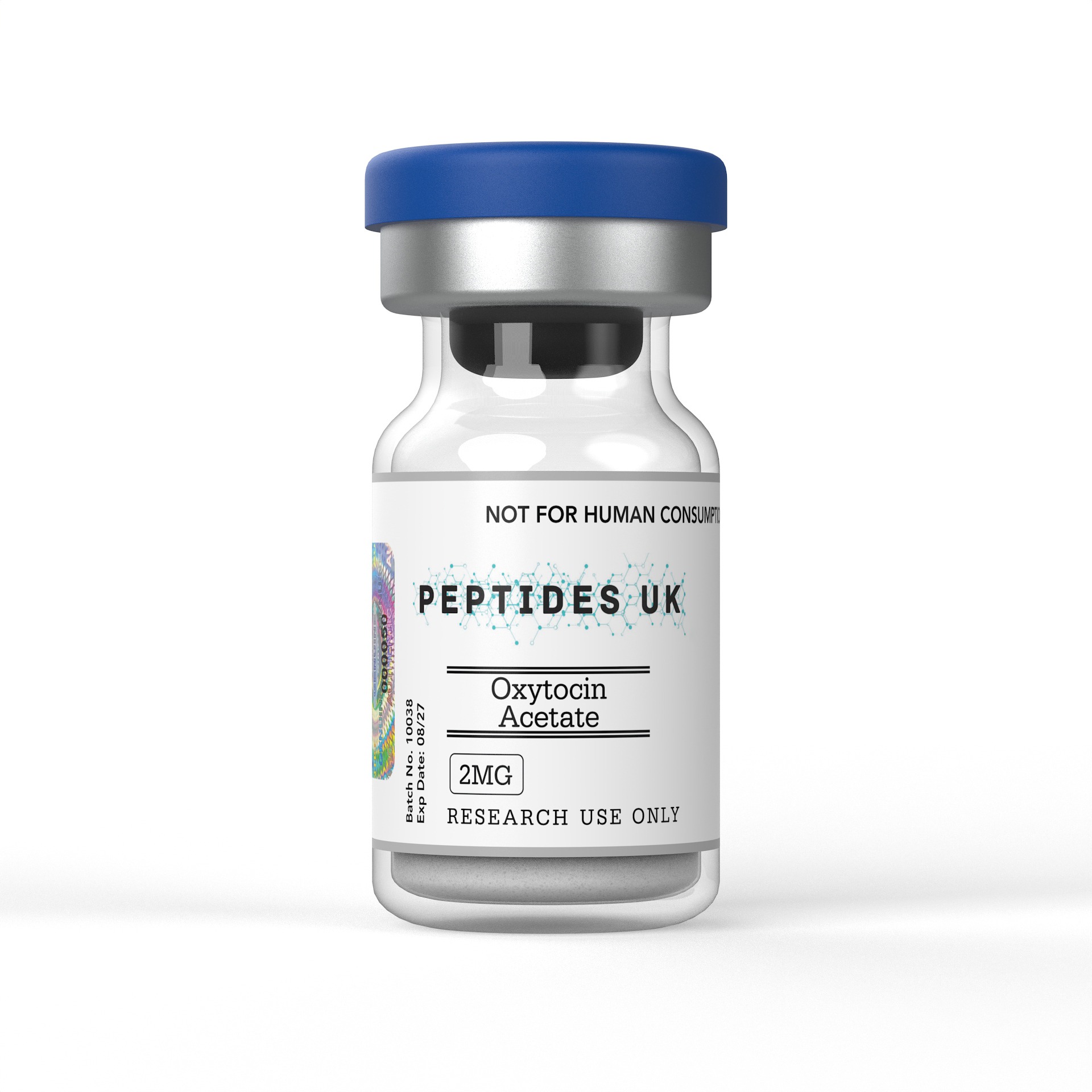
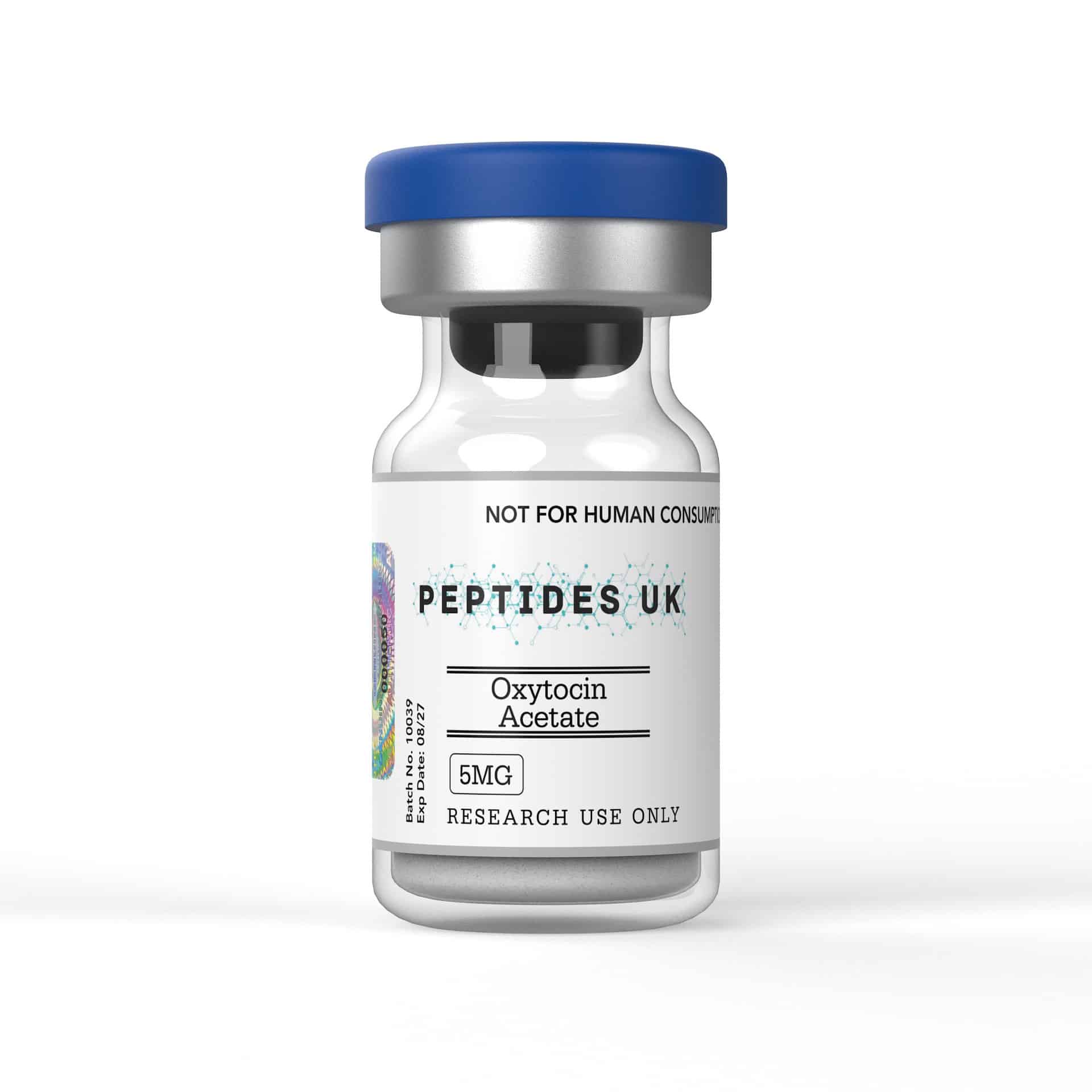
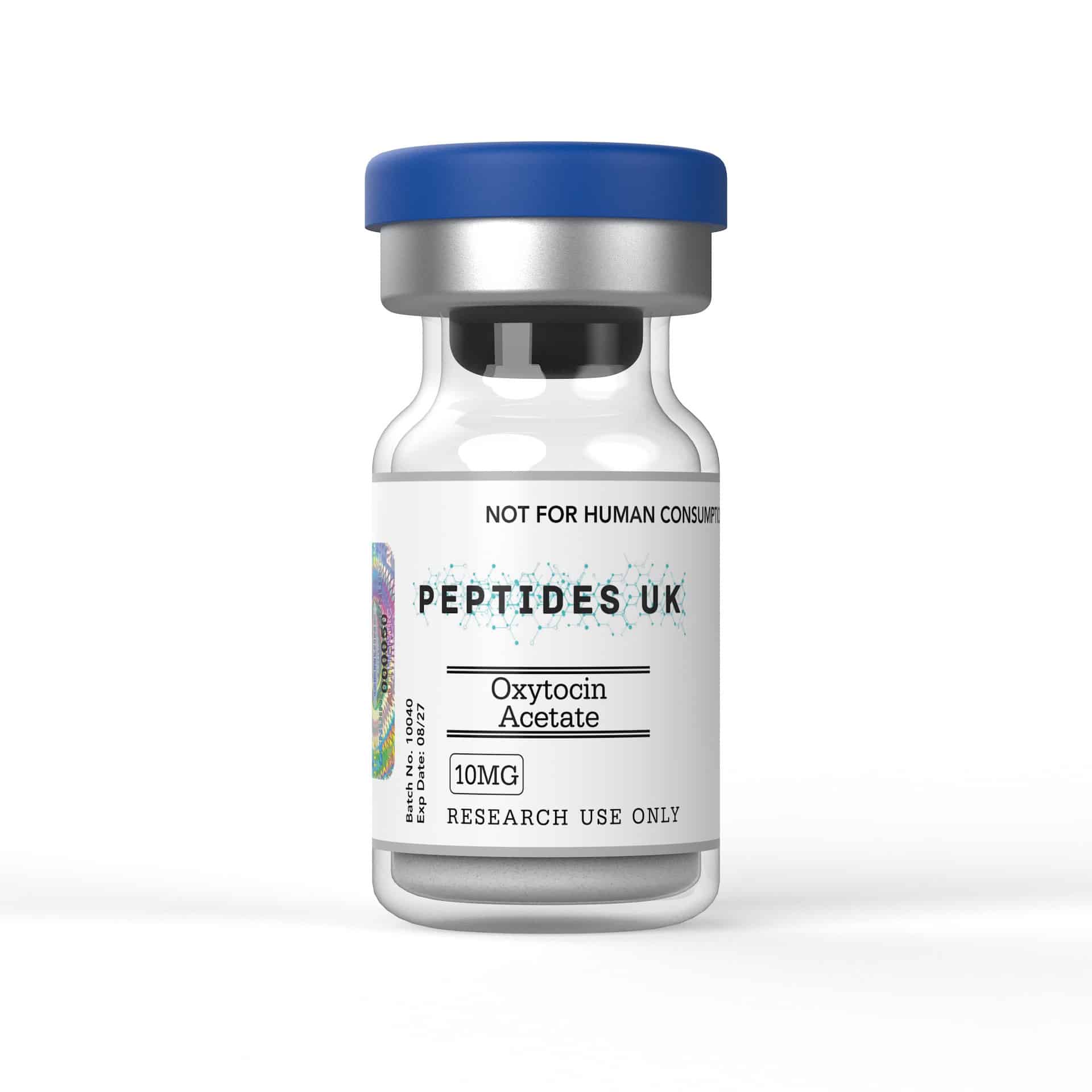
| Available Sizes | 2mg, 5mg, 10mg |
| Dispatch | Fast EU & Europe dispatch |
| Intended Use | Research use only |
Every order of Oxytocin dispatched across the EU and Europe includes:
✅ Batch-Specific Certificate of Analysis (CoA)
✅ HPLC Chromatogram
✅ Mass Spectrometry Confirmation — including Cys1-Cys6 disulphide bridge integrity verification
✅ Sterility & Endotoxin Testing Report
✅ Reconstitution Protocol — including disulphide bridge protection and no-reducing-agent handling guidance
✅ Technical Research Support
Yes — research-grade Oxytocin is available to researchers and institutions across the EU and Europe with fast dispatch and full batch documentation included. Supplied strictly for laboratory research purposes only.
Oxytocin is a naturally occurring nonapeptide neurohormone synthesised in the hypothalamus and released both into the bloodstream and within the brain — acting through the oxytocin receptor to drive social bonding, affiliative behaviour, anxiety reduction, stress axis modulation, and reproductive physiology. It is the primary research compound for studying the neurobiology of prosocial behaviour and social attachment, and one of the most actively researched neuropeptides in contemporary EU neuroscience — with applications spanning social behaviour, neuropsychiatric disorders, HPA axis biology, pain, and cardiovascular research.
The Cys1-Cys6 disulphide bridge constrains oxytocin into the cyclic ring conformation essential for OXTR binding and receptor activation. Without this bridge, the linear reduced peptide has substantially diminished OXTR binding affinity and biological activity. Any reducing agents — including DTT, TCEP, beta-mercaptoethanol, or glutathione — present in reconstitution solvents, assay buffers, or biological matrices will disrupt this bridge and inactivate the peptide. Disulphide integrity must be confirmed by mass spectrometry and all research buffers confirmed reducing agent-free before use with oxytocin.
Oxytocin and vasopressin are structurally related nonapeptides — differing at only two amino acid positions — but with distinct receptor pharmacology and research applications. Oxytocin acts primarily through OXTR driving prosocial behaviour, anxiolytic biology, and reproductive physiology. Vasopressin acts primarily through V1aR, V1bR, and V2R — with V1aR-mediated social behaviour that is distinct from and sometimes opposing to oxytocin’s prosocial effects, V1bR-driven ACTH stimulation contrasting with oxytocin’s HPA-suppressing biology, and V2R-mediated renal water retention unrelated to oxytocin biology. Selective receptor antagonist controls are essential when using either peptide to distinguish OXTR from vasopressin receptor contributions.
OXTR-selective antagonist L-368,899 or atosiban confirming OXTR specificity, vasopressin receptor antagonist controls distinguishing OXTR from V1aR cross-reactivity at higher oxytocin concentrations, vehicle controls in matched buffer confirmed reducing agent-free, reduced oxytocin as a disulphide-disrupted negative control confirming bridge requirement for activity, and receptor-negative cell line or OXTR knockout model controls for in vitro and in vivo specificity confirmation respectively. For social behaviour studies, matched vehicle injection controls accounting for injection stress effects on social behaviour endpoints are particularly important.
Peripherally administered oxytocin has limited blood-brain barrier penetration — meaning systemic administration produces strong peripheral OXTR biology including uterine, cardiovascular, and peripheral immune effects, with central nervous system exposure being more limited and variable. For research specifically targeting central OXTR neuroscience — social behaviour, anxiety, HPA axis modulation — intranasal administration routes achieving some CNS delivery or direct intracerebroventricular administration are used to distinguish central from peripheral OXTR biology. EU research protocols must clearly specify administration route and account for the central versus peripheral OXTR contribution profile when interpreting biological outcomes.
≥99% purity by HPLC and mass spectrometry is essential — reduced oxytocin with disrupted Cys1-Cys6 disulphide bridge, vasopressin cross-contamination, and sequence variant impurities would show substantially altered OXTR binding affinity and confound social behaviour, HPA axis, and reproductive biology dose-response data. Disulphide bridge integrity verification by mass spectrometry is a critical specification confirming the cyclic conformation required for OXTR activity. All Oxytocin supplied for European research is verified to ≥99% purity with disulphide integrity confirmed.
Oxytocin is supplied exclusively for legitimate scientific research purposes conducted within licensed laboratory environments across the EU and Europe. This product is not intended for human consumption, self-administration, or any therapeutic application. It must be handled by qualified researchers in compliance with applicable EU regulations and institutional ethics guidelines. By purchasing, you confirm that this compound will be used solely for approved in vitro or pre-clinical research purposes.

WhatsApp us
Receive News
