PRODUCTS SOLD ON PEPTIDESLABEU.COM ARE FOR RESEARCH PURPOSES ONLY AND ARE NOT FOR HUMAN OR VETERINARY USE.
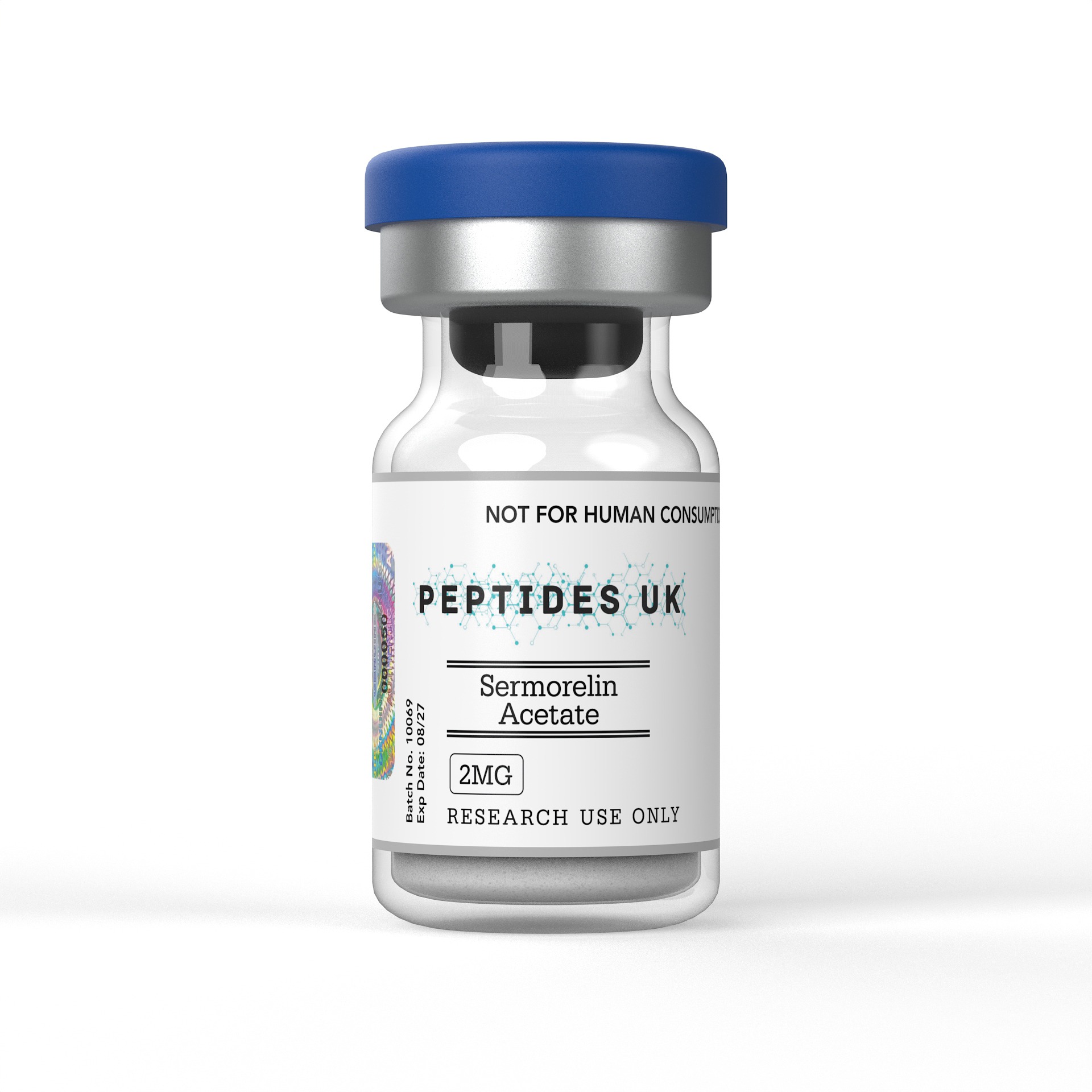
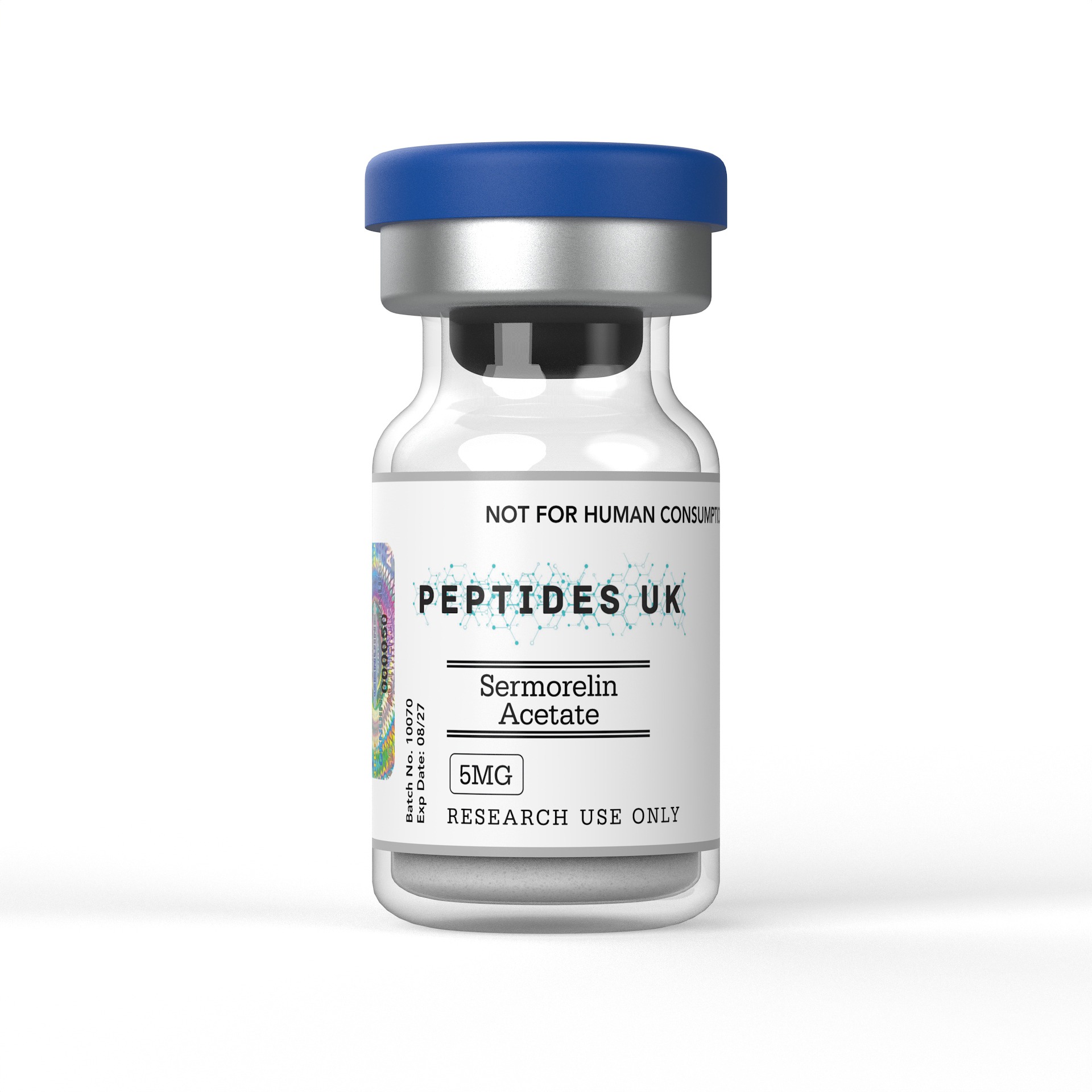
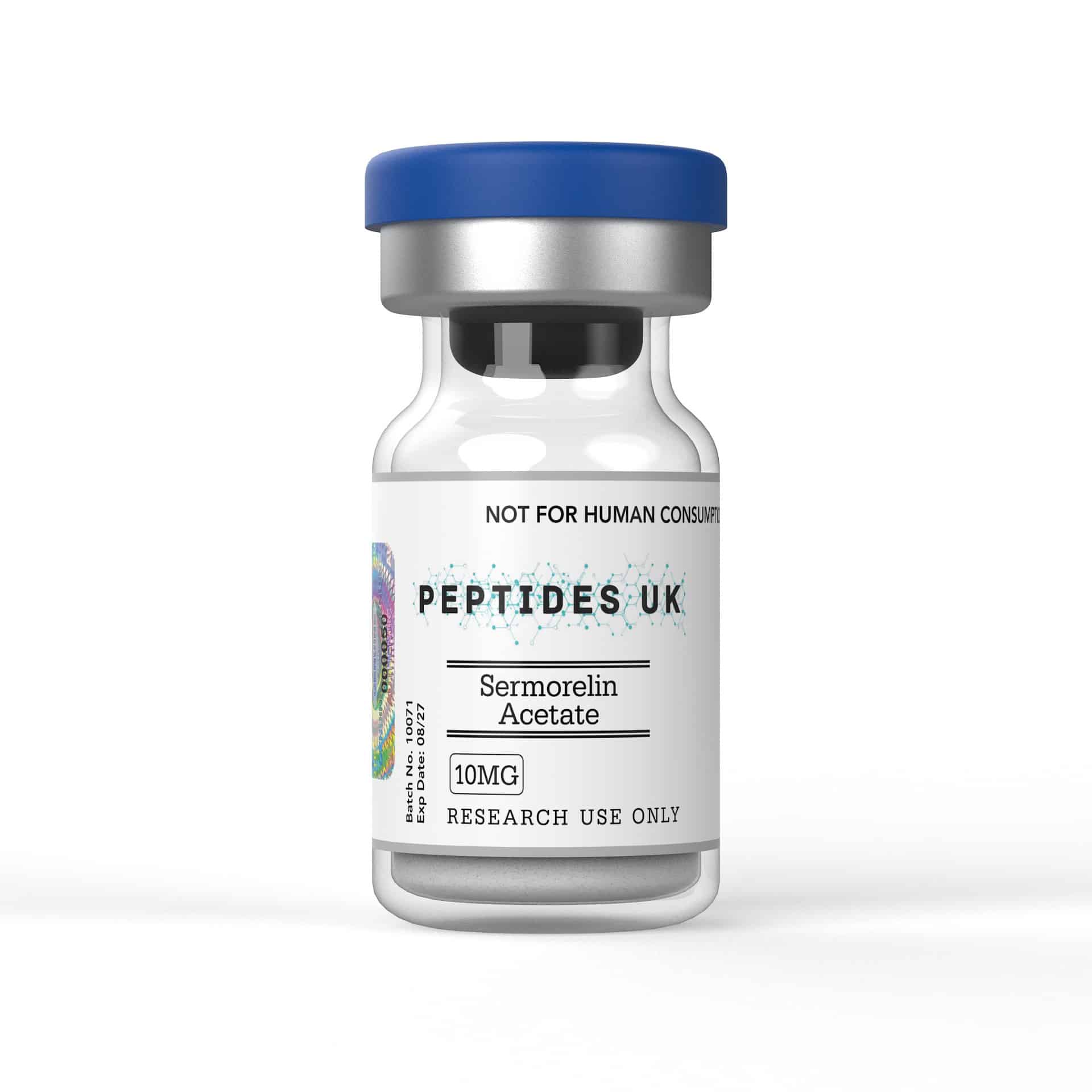
€28.00 – €114.00Price range: €28.00 through €114.00
Sermorelin Acetate EU – Buy Online | In Stock & Ready to Ship
Buy Sermorelin Acetate in Europe with fast shipping and guaranteed ≥99% purity — verified with COA and HPLC documentation. A trusted choice for peptides EU research teams rely on, with no customs delays or lengthy international wait times. Whether you’re searching for Sermorelin Acetate Europe suppliers, looking to buy Sermorelin Acetate in the EU, or sourcing peptides Europe-wide, we have you covered. Research teams across the EU can count on consistent stock, rapid fulfilment and full batch documentation every time.
For research use only. Not intended for human or veterinary use.
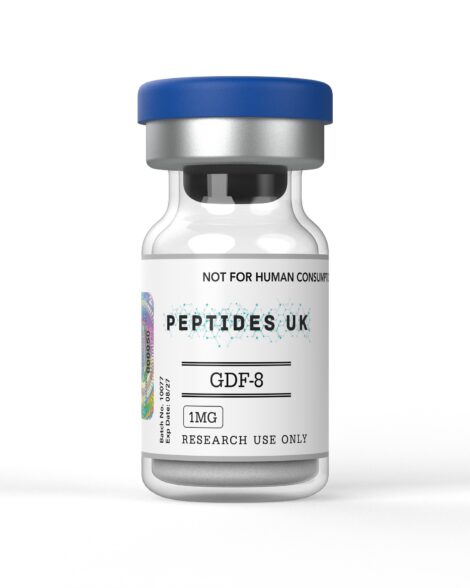

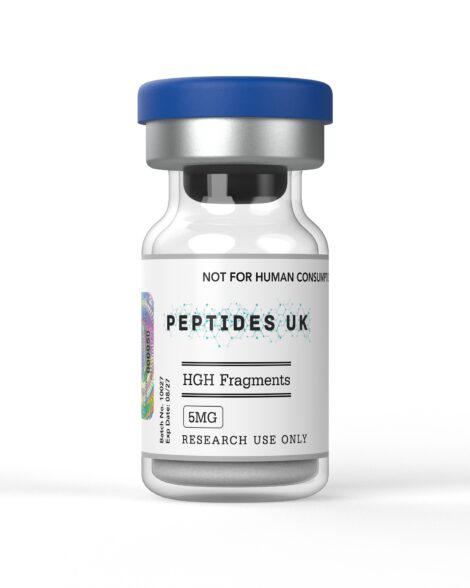
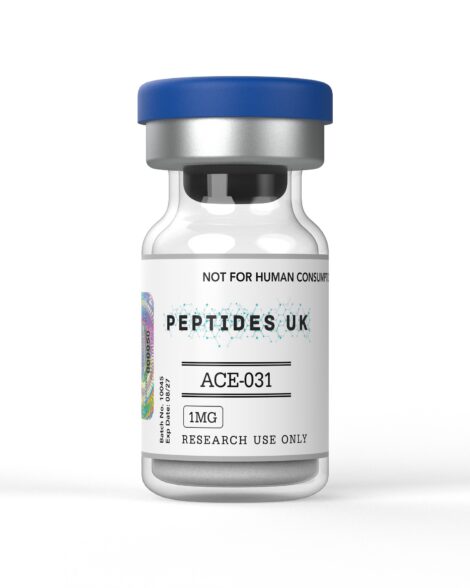

Sermorelin Acetate is a synthetic 29-amino acid GHRH analogue peptide and the most extensively clinically validated truncated growth hormone releasing hormone research compound available to laboratories across Europe — a native-sequence GHRH(1-29) peptide that activates the GHRH receptor with authentic physiological pharmacophore geometry to produce episodic pulsatile GH release, making it the reference compound for physiological GH axis stimulation research, GHRH receptor pharmacology, and comparative GHRH analogue studies across EU institutions. Research institutions and laboratories across the EU can source verified, research-grade Sermorelin Acetate in Europe with fast dispatch and full batch documentation included.
✅ ≥99% Purity — HPLC & Mass Spectrometry Verified
✅ Batch-Specific Certificate of Analysis (CoA) Included
✅ Sterile Lyophilised Powder | GMP Manufactured
✅ Fast Dispatch Across EU & Europe | EU Peptides Stock
Sermorelin Acetate — H-Tyr-Ala-Asp-Ala-Ile-Phe-Thr-Asn-Ser-Tyr-Arg-Lys-Val-Leu-Gly-Gln-Leu-Ser-Ala-Arg-Lys-Leu-Leu-Gln-Asp-Ile-Met-Ser-Arg-NH₂ acetate — is the acetate salt of Sermorelin, the synthetic 29-amino acid N-terminal fragment of endogenous human GHRH(1-44) that retains the full biological activity of the complete native sequence. It is the minimal biologically active truncation of human GHRH — containing every residue required for full GHRH receptor binding and Gs-cAMP-PKA signal transduction activation, while omitting the C-terminal 15 residues of native GHRH(1-44) that structure-activity relationship studies established as non-essential for receptor activation.
Sermorelin was developed and FDA approved as Geref — making it the only truncated GHRH analogue with formal regulatory approval and the most clinically characterised GHRH research compound available to European laboratories outside of Tesamorelin. Its native-sequence authenticity — containing the unmodified human GHRH(1-29) sequence without any amino acid substitutions — is its defining pharmacological characteristic and the quality that distinguishes it from all other GHRH analogue research peptides available in Europe including Modified GRF(1-29) and CJC-1295 With DAC. Where those compounds incorporate amino acid substitutions for proteolytic stability, Sermorelin preserves the exact native GHRH N-terminal sequence — making it the authentic physiological reference for GHRH receptor pharmacology research.
The acetate salt form — Sermorelin Acetate — is the standard pharmaceutical and research-grade formulation, providing improved aqueous solubility and lyophilised powder stability relative to the free base peptide. The C-terminal amide — NH₂ — is essential for full biological activity and receptor binding affinity, and its integrity is a critical quality parameter for research-grade Sermorelin Acetate supplied to EU laboratories.
In controlled laboratory and pre-clinical research settings across EU and European institutions, Sermorelin Acetate is studied across GHRH receptor pharmacology, native-sequence GHRH biology, GH pulse research, somatotroph function assessment, IGF-1 axis biology, comparative GHRH analogue pharmacology, and GH axis ageing research:
Native-Sequence GHRH Receptor Pharmacology Research — Sermorelin Acetate is the reference native-sequence GHRHR agonist for physiologically authentic GHRH receptor pharmacology research — used to characterise GHRHR binding with the unmodified human GHRH(1-29) sequence, Gs-adenylate cyclase-cAMP-PKA signal transduction in somatotroph cell models, CREB phosphorylation and GH gene transcription activation, and GH granule exocytosis biology under authentic native-sequence GHRH pharmacophore stimulation. Research uses Sermorelin Acetate as the physiological authenticity benchmark — establishing the native-sequence GHRHR pharmacodynamic profile against which modified GHRH analogues incorporating amino acid substitutions are compared. The absence of any amino acid modification in Sermorelin’s sequence makes it the gold standard for studies where native GHRH receptor contact geometry must be preserved without the receptor interaction modifications introduced by Ala8 substitution in Modified GRF(1-29) or the trans-3-hexenoic acid N-terminal modification of Tesamorelin.
Physiological GH Pulse Biology and Episodic Secretion Research — Sermorelin Acetate produces episodic pulsatile GH release through GHRHR activation — with a half-life of approximately 10–12 minutes producing a short, physiologically patterned GH secretory stimulus that most closely replicates the brief GHRH pulse duration of endogenous hypothalamic GHRH release. Research uses Sermorelin Acetate to study GH pulse biology — characterising GH pulse amplitude and duration responses, somatostatin rebound biology following GHRHR-driven GH pulse stimulation, the relationship between GHRH pulse characteristics and GH secretory amplitude, and how short-duration GHRHR stimulation produces the pulsatile GH secretory pattern characteristic of physiological somatotropic axis activity. These GH pulse biology studies establish Sermorelin Acetate as the physiologically authentic GHRH reference for EU research programmes examining the episodic GH secretory biology of the somatotropic axis.
Somatotroph Secretory Reserve Assessment Research — Sermorelin Acetate stimulation testing is a well-established pre-clinical and clinical research paradigm for assessing pituitary somatotroph secretory reserve — characterising peak GH secretory responses as a functional readout of somatotroph cell number, GHR expression levels, and intact GHRHR-Gs-cAMP signalling capacity. Research has used Sermorelin Acetate stimulation paradigms to characterise somatotroph secretory reserve across ageing models, GH deficiency states, hypothalamic GHRH deficiency models, and pharmacological intervention studies examining somatotroph biology restoration. These stimulation testing paradigms mirror the clinical diagnostic application of Sermorelin in human GH deficiency assessment — providing translational relevance connecting pre-clinical Sermorelin Acetate research to its clinically validated diagnostic application.
Minimal Active GHRH Domain Structure-Activity Research — Sermorelin Acetate’s GHRH(1-29)NH₂ sequence defines the minimal biologically active GHRH domain — establishing through its clinical and pre-clinical validation that 29 residues are sufficient for full GHRHR biological activity. Research has used Sermorelin Acetate in structure-activity relationship studies examining the pharmacological contributions of individual GHRH residues to receptor binding and signal transduction — characterising position-specific alanine scanning mutagenesis effects on GHRHR activation, the pharmacophore requirements of the GHRH N-terminal region including Tyr1, Ala2, Asp3, and Phe6 critical contact residues, and the C-terminal amide contribution to receptor binding affinity. These SAR studies establish Sermorelin Acetate as the minimal active GHRH domain reference providing the pharmacophore foundation for understanding GHRH analogue design.
DPP-IV Lability and GHRH Analogue Stability Comparative Research — Sermorelin Acetate’s native Tyr1-Ala2 N-terminal dipeptide is the primary DPP-IV cleavage site — producing rapid in vivo degradation to the inactive Ser3-Arg29 fragment within approximately 10–12 minutes of administration. Research uses Sermorelin Acetate as the DPP-IV-labile native-sequence reference in comparative pharmacokinetic studies examining DPP-IV resistance engineering strategies — characterising the half-life extension achieved by Ala8 substitution in Modified GRF(1-29), trans-3-hexenoic acid N-terminal conjugation in Tesamorelin, and DAC albumin conjugation in CJC-1295 With DAC relative to Sermorelin’s native-sequence DPP-IV lability baseline. These comparative stability studies use Sermorelin Acetate to establish the pharmacokinetic cost of native GHRH sequence preservation and the half-life extension magnitude achieved by each distinct stability engineering approach.
GH Axis Ageing Biology and Somatopause Research — Sermorelin Acetate is a primary research tool for studying age-related decline in GH axis activity — the somatopause characterised by reduced GH pulse amplitude and frequency, decreased somatotroph secretory reserve, and declining IGF-1 production that accompanies normal ageing in rodent and primate models. Research has characterised somatotroph secretory reserve decline using Sermorelin Acetate stimulation testing across aged animal cohorts — examining peak GH response attenuation with age, somatotroph GHRHR expression changes, reduced Gs-cAMP signalling capacity in aged somatotrophs, and the restoration of GH secretory responses with Sermorelin Acetate administration in aged animal models. These somatopause research studies have positioned Sermorelin Acetate as the reference native-sequence GHRH compound for studying hypothalamic-pituitary axis ageing biology across EU geroscience research programmes.
IGF-1 Axis Biology and Downstream Anabolic Signalling Research — Sermorelin Acetate-driven GH release activates the downstream hepatic IGF-1 production axis — making it a research tool for studying GH-IGF-1 axis biology under native-sequence GHRHR stimulation producing physiologically patterned episodic GH pulses. Research has characterised the IGF-1 axis responses to Sermorelin Acetate-driven GH secretion — examining hepatic IGF-1 gene transcription kinetics following GH pulse stimulation, IGF-1 protein secretion dynamics, IGFBP-3 co-regulation, and the downstream anabolic signalling consequences of pulsatile versus sustained GH secretory patterns on IGF-1 axis biology. These IGF-1 axis studies establish the downstream endocrine consequences of native-sequence GHRHR stimulation and provide the physiological reference for comparing pulsatile IGF-1 axis responses with those produced by long-acting GHRH analogues.
GHRH-GHS Synergy and Combined Somatotroph Stimulation Research — Sermorelin Acetate produces synergistic GH release when co-administered with GHS-R1a agonists including GHRP-6, GHRP-2 Acetate, and Ipamorelin — through complementary GHRHR Gs-cAMP and GHS-R1a Gq/11-calcium somatotroph signalling pathway interactions producing GH responses substantially exceeding the sum of individual stimuli. Research uses Sermorelin Acetate as the native-sequence GHRHR synergy component in GHRH-GHS co-stimulation studies — characterising synergistic GH response amplitudes, the signal transduction basis of cAMP-calcium pathway complementarity in somatotrophs, and how native-sequence GHRHR co-stimulation compares with modified GHRH analogue synergy profiles in combined GH secretagogue research protocols.
Research and clinical investigation have produced a well-characterised and extensively replicated profile for Sermorelin Acetate across GH axis biology:
FDA approval as Geref established Sermorelin Acetate as the most clinically validated truncated GHRH analogue — with regulatory approval for both GH deficiency diagnostic stimulation testing and paediatric GH deficiency treatment providing the most extensive human pharmacology and safety dataset of any GHRH(1-29) analogue available to European research laboratories, establishing its translational research credibility as the native-sequence clinical GHRH reference.
Physiological GH pulse biology research has consistently documented Sermorelin Acetate’s episodic GH secretory responses — characterising dose-dependent GH pulse amplitude increases, the approximately 10–12 minute half-life producing physiologically patterned GH secretory stimuli, somatostatin rebound following GHRHR stimulation, and the relationship between Sermorelin Acetate dose and GH secretory reserve assessment accuracy in somatotroph function paradigms.
Somatotroph secretory reserve research has established Sermorelin Acetate stimulation testing as a validated pre-clinical and clinical paradigm — characterising age-related decline in peak GH responses, GH deficiency state identification, and pharmacological intervention effects on somatotroph secretory capacity across rodent and human research populations.
DPP-IV lability research has confirmed the native Tyr1-Ala2 dipeptide as the primary degradation site — characterising the short circulating half-life and rapid conversion to inactive Ser3-Arg29 fragment, establishing the DPP-IV sensitivity baseline that defines Sermorelin Acetate’s position as the pharmacokinetic reference against which GHRH analogue stability engineering is measured.
Structure-activity relationship research has documented the critical pharmacophore residues of the GHRH(1-29) sequence — establishing Tyr1, Asp3, Phe6, and the C-terminal amide as essential contact elements for GHRHR binding and activation, providing the molecular foundation for understanding how amino acid substitutions in Modified GRF(1-29) and other GHRH analogues modify receptor interaction characteristics relative to Sermorelin’s native-sequence pharmacophore.
GHRH-GHS synergy research has documented pronounced synergistic GH responses from Sermorelin Acetate and GHS-R1a agonist co-administration — establishing the complementary cAMP-calcium signalling basis of GHRHR-GHS-R1a synergy and quantifying the GH response amplification achievable through combined somatotroph pathway stimulation relative to either compound alone.
| Feature | Sermorelin Acetate | Modified GRF(1-29) | CJC-1295 With DAC | Tesamorelin | Ipamorelin | GHRP-6 |
|---|---|---|---|---|---|---|
| Type | Native-sequence GHRH(1-29)NH₂ acetate | Tetrasubstituted GHRH(1-29) | Tetrasubstituted GHRH(1-29) + DAC albumin linker | Trans-3-hexenoic acid full-length GHRH(1-44) | Synthetic pentapeptide selective GHS-R1a agonist | Synthetic hexapeptide non-selective GHS-R1a agonist |
| Sequence Authenticity | Native — no amino acid substitutions | Modified — Ala8, Gln15, Ala18, Leu27 substitutions | Modified — same substitutions + DAC linker | Full native 44-aa sequence — N-terminal fatty acid only | Synthetic — non-native sequence | Synthetic — non-native sequence |
| Receptor | GHRHR — native sequence | GHRHR — modified sequence | GHRHR — modified + DAC | GHRHR — full-length native sequence | GHS-R1a | GHS-R1a |
| Half-Life | ~10–12 minutes — DPP-IV labile | ~30 minutes — Ala8 DPP-IV resistant | ~6–8 days — DAC albumin conjugation | ~26–38 minutes — trans-3-hexenoic acid | ~2 hours | ~15–60 minutes |
| DPP-IV Resistance | No — native Tyr1-Ala2 labile | Yes — Ala8 substitution | Yes — Ala8 + albumin shielding | Yes — steric N-terminal shielding | Yes — Aib1 | Partial — D-amino acids |
| GH Secretory Profile | Short episodic pulse — physiological | Intermediate episodic pulse | Sustained multi-day elevated pulsatile | Intermediate episodic pulse — full sequence | Selective episodic GHS-R1a pulse | Non-selective episodic GHS-R1a pulse |
| Clinical Approval | Yes — Geref — FDA approved | No | No | Yes — Egrifta — FDA approved | No | No |
| Key Research Distinction | Native-sequence physiological authenticity — minimal active GHRH domain — clinical validation — DPP-IV lability reference | Proteolytic stability without clinical validation | Only long-acting GHRH — multi-day sustained GH | Only full-length DPP-IV-stabilised GHRH(1-44) | Selective GHS-R1a — no prolactin/cortisol confound | First-generation GHS-R1a reference |
| Parameter | Specification |
|---|---|
| Full Name | Sermorelin Acetate |
| Also Known As | GHRH(1-29)NH₂ acetate / GRF(1-29)NH₂ / Geref (clinical formulation) / Somatocrinin(1-29) |
| Sequence | H-Tyr-Ala-Asp-Ala-Ile-Phe-Thr-Asn-Ser-Tyr-Arg-Lys-Val-Leu-Gly-Gln-Leu-Ser-Ala-Arg-Lys-Leu-Leu-Gln-Asp-Ile-Met-Ser-Arg-NH₂ acetate |
| Type | Synthetic Native-Sequence GHRH(1-29) Acetate — Minimal Active GHRH Domain — Physiological GHRHR Agonist — Research Grade |
| Molecular Weight | ~3357.9 Da |
| C-Terminal Amide | NH₂ — essential for full biological activity — integrity critical |
| Mechanism | GHRHR Gs-cAMP-PKA → CREB phosphorylation → GH gene transcription + GH granule exocytosis — native-sequence physiological GHRH pharmacophore |
| Half-Life | ~10–12 minutes — DPP-IV labile at native Tyr1-Ala2 |
| DPP-IV Sensitivity | Yes — native Tyr1-Ala2 DPP-IV cleavage site intact — pharmacokinetic lability reference |
| Clinical Approval | FDA approved — Geref for GH deficiency diagnosis and paediatric GH deficiency treatment |
| Key Research Distinction | Native-sequence physiological authenticity — minimal biologically active GHRH domain — clinical validation benchmark — DPP-IV lability reference for GHRH analogue comparative pharmacokinetics |
| Primary Research Areas | Native-sequence GHRHR pharmacology / physiological GH pulse biology / somatotroph secretory reserve / minimal active GHRH domain SAR / DPP-IV lability reference / GH axis ageing / IGF-1 axis / GHRH-GHS synergy |
| Salt Form | Acetate — improved aqueous solubility and lyophilised stability |
| Oxidation Sensitivity | Met27 — oxidation susceptible — avoid oxidising conditions / Tyr1, Tyr10 — light sensitive — amber tubes |
| Purity | ≥99% HPLC & MS Verified |
| Form | Sterile Lyophilised Powder |
| Solubility | Sterile water or 0.1% acetic acid aqueous solution |
| Storage (Powder) | -20°C, protect from light and moisture |
| Storage (Reconstituted) | -80°C single-use aliquots — protect Met27 from oxidation — minimise freeze-thaw |
| Available Sizes | 2mg, 5mg, 10mg |
| Dispatch | Fast EU & Europe dispatch |
| Intended Use | Research use only |
Every order of Sermorelin Acetate dispatched across the EU and Europe includes:
✅ Batch-Specific Certificate of Analysis (CoA)
✅ HPLC Chromatogram
✅ Mass Spectrometry Confirmation — including C-terminal amide integrity and Met27 oxidation status verification
✅ Sterility & Endotoxin Testing Report
✅ Reconstitution Protocol — including Met27 oxidation protection and Tyr light sensitivity handling guidance
✅ Technical Research Support
Yes — research-grade Sermorelin Acetate is available to researchers and institutions across the EU and Europe with fast dispatch and full batch documentation included. Supplied strictly for laboratory research purposes only.
Sermorelin Acetate is the acetate salt of Sermorelin — a synthetic 29-amino acid peptide replicating the first 29 residues of endogenous human GHRH(1-44). It activates the GHRH receptor on pituitary somatotroph cells through the same native-sequence pharmacophore geometry as endogenous GHRH — stimulating Gs-cAMP-PKA signalling, GH gene transcription, and episodic pulsatile GH release. The C-terminal amide is essential for receptor binding affinity and is verified as intact in all research-grade Sermorelin Acetate supplied to European laboratories.
Sermorelin Acetate contains the unmodified native human GHRH(1-29) sequence — no amino acid substitutions. Modified GRF(1-29) incorporates four amino acid substitutions including Ala8 for DPP-IV resistance and three additional stabilising substitutions — improving half-life at the cost of modifying the native receptor contact geometry. CJC-1295 With DAC adds albumin-binding DAC technology extending half-life to 6–8 days. Sermorelin Acetate is the native-sequence physiological authenticity reference — the appropriate choice for research where unmodified GHRH pharmacophore biology is required.
The somatopause — age-related decline in GH pulse amplitude and IGF-1 levels — is one of the most studied aspects of endocrine ageing across EU geroscience research institutions. Sermorelin Acetate stimulation testing provides a functional readout of somatotroph secretory reserve that directly reflects the integrity of the GHRHR-Gs-cAMP signalling axis — making it the reference tool for characterising age-related somatotroph decline and evaluating pharmacological interventions targeting GH axis restoration in ageing pre-clinical models.
The C-terminal amide — NH₂ replacing the free carboxyl of Arg29 — is essential for full GHRHR binding affinity and biological activity. Research has established that de-amidated Sermorelin with a free C-terminal carboxyl shows substantially reduced GHRHR binding relative to the amidated form. This makes C-terminal amide integrity a critical quality parameter — all research-grade Sermorelin Acetate supplied to European laboratories should include mass spectrometry confirmation of intact C-terminal amide status.
Sermorelin Acetate’s approximately 10–12 minute half-life — the shortest of all available GHRH analogue research peptides — means GH sampling intervals must be designed to capture the peak GH response within 15–30 minutes of administration. This short pharmacokinetic window is a practical research consideration but also a biological advantage — producing the brief GHRH pulse duration closest to endogenous hypothalamic GHRH release and enabling the cleanest characterisation of physiological GH pulse biology without the prolonged GH elevation produced by longer-acting analogues.
≥99% purity by HPLC and mass spectrometry is essential — Met27 oxidation variants restoring DPP-IV sensitivity at modified positions, C-terminal de-amidation products, and N-terminal truncation fragments losing Tyr1 would show substantially altered GHRHR binding affinity and GH secretory potency. C-terminal amide integrity and Met27 oxidation status verification by mass spectrometry are critical specifications beyond standard sequence purity. All Sermorelin Acetate supplied for European research is verified to ≥99% purity with amide integrity and oxidation status confirmed.
Sermorelin Acetate is supplied exclusively for legitimate scientific research purposes conducted within licensed laboratory environments across the EU and Europe. This product is not intended for human consumption, self-administration, or any therapeutic application. It must be handled by qualified researchers in compliance with applicable EU regulations and institutional ethics guidelines. By purchasing, you confirm that this compound will be used solely for approved in vitro or pre-clinical research purposes.
WhatsApp us
Receive News
