PRODUCTS SOLD ON PEPTIDESLABEU.COM ARE FOR RESEARCH PURPOSES ONLY AND ARE NOT FOR HUMAN OR VETERINARY USE.
€23.50
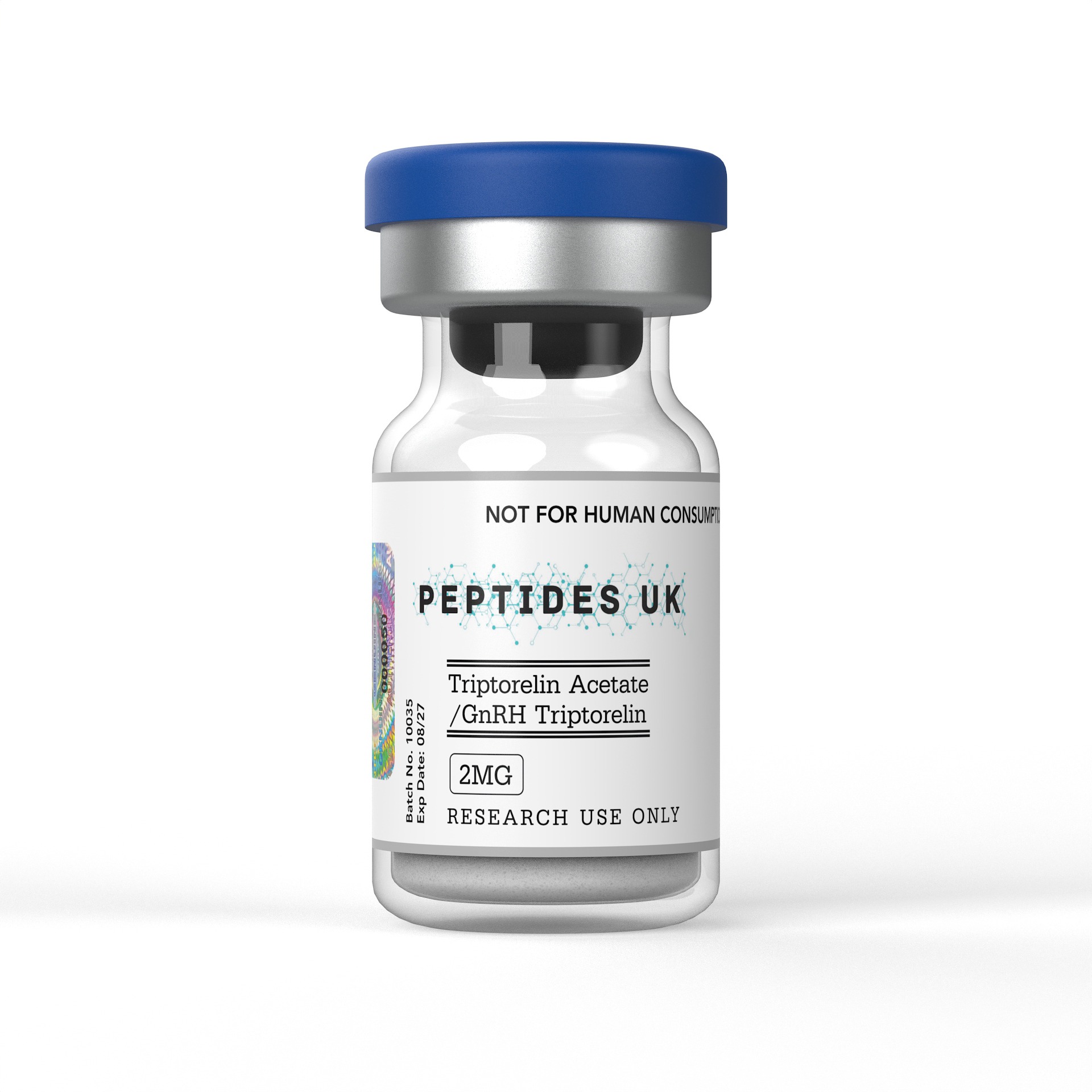
Triptorelin EU – Buy Online | In Stock & Ready to Ship
Buy Triptorelin in Europe with fast shipping and guaranteed ≥99% purity — verified with COA and HPLC documentation. A trusted choice for peptides EU research teams rely on, with no customs delays or lengthy international wait times. Whether you’re searching for Triptorelin Europe suppliers, looking to buy Triptorelin in the EU, or sourcing peptides Europe-wide, we have you covered. Research teams across the EU can count on consistent stock, rapid fulfilment and full batch documentation every time.
For research use only. Not intended for human or veterinary use.


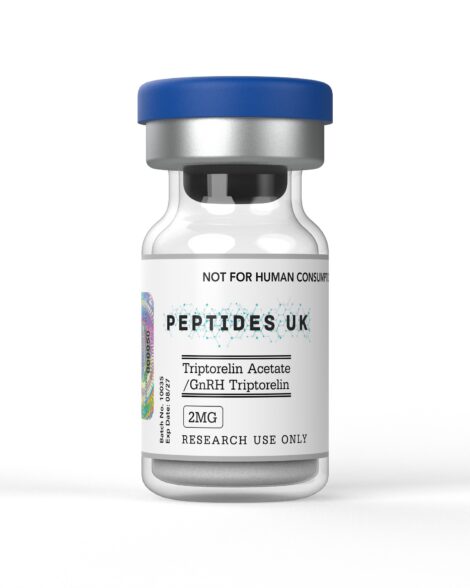
Triptorelin is a synthetic decapeptide analogue of gonadotropin-releasing hormone (GnRH) and potent GnRH receptor (GnRH-R) agonist, available to buy in Europe for laboratory research into GnRH receptor pharmacology, hypothalamic-pituitary-gonadal (HPG) axis biology, gonadotropin secretion dynamics, GnRH-R desensitisation and downregulation mechanisms, gonadal steroidogenesis regulation, and the comparative pharmacology of GnRH agonist analogues.
Laboratories and research institutions across the EU can order verified, research-grade Triptorelin with fast international dispatch to Europe, full batch documentation, and ≥99% purity confirmed by HPLC and Mass Spectrometry.
✅ ≥99% Purity — HPLC & Mass Spectrometry Verified
✅ Batch-Specific Certificate of Analysis (CoA)
✅ Sterile Lyophilised Powder | GMP Manufactured
✅ Fast Dispatch to EU & Europe | Tracked Shipping
Triptorelin (D-Trp⁶-GnRH; also designated [D-Trp⁶]-LHRH) is a synthetic decapeptide GnRH analogue incorporating a single D-tryptophan substitution at position 6 of the native GnRH decapeptide sequence — producing a sequence of pGlu-His-Trp-Ser-Tyr-D-Trp-Leu-Arg-Pro-Gly-NH₂. The D-Trp⁶ substitution — replacement of the native L-Gly⁶ of endogenous GnRH with D-tryptophan — is the defining structural modification conferring Triptorelin’s dramatically extended metabolic stability and elevated GnRH-R binding affinity relative to native GnRH.
Native GnRH (GnRH-I; pGlu-His-Trp-Ser-Tyr-Gly-Leu-Arg-Pro-Gly-NH₂) is a hypothalamic decapeptide secreted in discrete pulses by GnRH neurons of the hypothalamic preoptic area and arcuate nucleus — travelling via the hypothalamic-pituitary portal blood supply to reach GnRH receptors on pituitary gonadotroph cells. Native GnRH has a plasma half-life of less than 4 minutes — rapidly inactivated by endopeptidase cleavage at the Tyr⁵-Gly⁶ bond and by post-proline endopeptidase cleavage at the Pro⁹-Gly¹⁰ bond. The D-Trp⁶ substitution in Triptorelin sterically blocks the primary endopeptidase cleavage site — preventing Tyr⁵-D-Trp⁶ bond hydrolysis because the D-amino acid configuration is not recognised by the relevant endopeptidase — extending plasma half-life to approximately 7–8 hours and producing a GnRH-R agonist with approximately 100-fold greater binding affinity and in vivo potency than native GnRH.
Triptorelin activates the GnRH receptor — a class A GPCR coupled primarily to Gq/11 — driving phospholipase C activation, IP₃-mediated calcium release from the endoplasmic reticulum, diacylglycerol (DAG)/protein kinase C (PKC) activation, and downstream CaM kinase II-mediated gonadotropin secretory granule exocytosis. Acute GnRH-R activation by Triptorelin drives pulsatile LH and FSH release from pituitary gonadotrophs — the initial pharmacological response to Triptorelin administration, designated the “flare” effect, that transiently elevates gonadal steroid production. However, the sustained, continuous GnRH-R stimulation produced by Triptorelin’s extended half-life — in contrast to the brief pulsatile GnRH-R activation of endogenous GnRH — drives GnRH-R desensitisation and downregulation: receptor uncoupling from Gq through GRK-mediated phosphorylation and β-arrestin recruitment, receptor internalisation and lysosomal degradation, and transcriptional suppression of GnRH-R gene expression. The consequence of sustained GnRH-R downregulation is paradoxical gonadotropin suppression — a profound reduction in LH and FSH secretion from gonadotrophs that drives downstream suppression of gonadal steroidogenesis and sex steroid production — the pharmacological state that defines GnRH agonist-induced medical castration.
This biphasic pharmacology — initial gonadotropin flare followed by sustained gonadotropin suppression — is the defining pharmacodynamic feature of GnRH agonist therapy and the fundamental research model for studying GnRH-R desensitisation biology, HPG axis regulation, and the consequences of sex steroid withdrawal on gonadal and peripheral tissue biology.
In laboratory settings, Triptorelin is studied across GnRH receptor pharmacology, gonadotroph biology, HPG axis regulation, GnRH-R desensitisation mechanisms, steroidogenesis, and the downstream consequences of sex steroid suppression across multiple tissue systems. EU and European researchers working with Triptorelin typically focus on:
GnRH receptor pharmacology and gonadotroph cell biology — Triptorelin is a high-affinity GnRH-R agonist with ~100-fold greater receptor binding affinity than native GnRH — making it a potent, metabolically stable research tool for examining GnRH-R activation in gonadotroph cell systems. Studies use Triptorelin to characterise GnRH-R Gq/PLC/IP₃/calcium signalling, DAG/PKC pathway activation, CaM kinase II-mediated granule exocytosis, and the downstream LH and FSH secretory responses — providing a defined, reproducible GnRH-R stimulus for mechanistic gonadotroph biology research where native GnRH’s rapid degradation would limit pharmacological control of receptor activation timing and duration.
GnRH-R desensitisation and downregulation mechanism research — The sustained GnRH-R stimulation produced by Triptorelin’s extended half-life drives a well-characterised desensitisation cascade: GRK2/GRK3-mediated receptor phosphorylation at intracellular loop and C-terminal residues; β-arrestin 1/2 recruitment and Gq uncoupling; receptor internalisation via clathrin-coated pit endocytosis; lysosomal receptor degradation; and transcriptional GnRH-R gene suppression. Studies use Triptorelin as the sustained GnRH-R stimulus to examine the molecular sequence and kinetics of each desensitisation step — characterising the time course of receptor phosphorylation, internalisation, recycling versus degradation, and transcriptional downregulation, and establishing the GnRH-R regulatory mechanisms that convert continuous agonist exposure into paradoxical gonadotropin suppression.
HPG axis regulation and gonadotropin biology research — The HPG axis integrates hypothalamic GnRH pulsatility, pituitary LH/FSH secretion, and gonadal steroid feedback into a regulated neuroendocrine system where pulse frequency and amplitude of GnRH determine the ratio of LH to FSH secretion. Triptorelin provides pharmacological GnRH-R stimulation that can be applied at defined concentrations and durations to study HPG axis responses — examining the acute gonadotropin secretory response (flare), the transition to GnRH-R desensitisation, and the downstream consequences of sustained gonadotropin suppression on LH-R and FSH-R expression in gonadal cells and gonadal steroid production.
Pulsatile versus continuous GnRH-R stimulation research — The biological consequences of GnRH-R stimulation are exquisitely sensitive to the temporal pattern of receptor activation: pulsatile GnRH (as delivered endogenously) maintains LH and FSH secretion and gonadal steroidogenesis; continuous GnRH-R stimulation (as produced by Triptorelin’s extended half-life) drives desensitisation and gonadotropin suppression. Studies use Triptorelin in continuous delivery paradigms and compare responses to intermittent/pulsatile GnRH administration to examine the molecular determinants of pulsatile versus continuous GnRH-R signal decoding — characterising the GnRH-R regulatory mechanisms, gonadotroph intracellular signalling dynamics, and transcriptional responses that distinguish the two stimulation patterns.
Testosterone suppression and androgen deprivation biology research — Triptorelin-driven gonadotropin suppression produces profound, reversible testosterone suppression in male subjects — the research model for chemical castration and androgen deprivation. Studies use Triptorelin in pre-clinical models of androgen-dependent biology to examine the consequences of testosterone withdrawal on androgen receptor (AR) expression, androgen-responsive tissue biology, and androgen-dependent physiological processes — providing a pharmacologically controlled testosterone suppression model for studying androgen biology independently of gonadal androgen production.
Prostate cancer biology and androgen receptor research — The Triptorelin-driven androgen deprivation model is extensively used in prostate cancer research — where testosterone suppression reduces androgen receptor signalling in androgen-dependent prostate cancer cells, suppressing tumour growth. Studies use Triptorelin-induced castrate conditions in pre-clinical prostate cancer models to examine androgen receptor expression and activity in low-testosterone environments, characterise castration-resistant prostate cancer (CRPC) emergence mechanisms, and investigate the molecular adaptations enabling AR-dependent signalling under castrate testosterone levels — providing a foundational research model for understanding the transition from hormone-sensitive to castration-resistant prostate cancer.
Oestrogen suppression and reproductive biology research — In female systems, Triptorelin-driven gonadotropin suppression produces oestrogen suppression through FSH-dependent follicular development inhibition and LH-dependent granulosa cell oestradiol production reduction. Studies use Triptorelin in pre-clinical female reproductive biology models to examine the consequences of oestrogen withdrawal on endometrial biology, ovarian follicle dynamics, oestrogen receptor (ER) expression and signalling in peripheral tissues, and the reproductive biology of GnRH agonist-induced hypoestrogenism — providing a pharmacologically controlled oestrogen suppression model for studying oestrogen-dependent biology.
GnRH-R expression in extrapituitary tissues and direct antiproliferative research — GnRH receptors are expressed not only on pituitary gonadotrophs but also directly on cancer cells — including breast, ovarian, endometrial, and prostate cancer cell lines — where GnRH-R activation by Triptorelin produces direct antiproliferative effects through GnRH-R/Gq-dependent inhibition of epidermal growth factor receptor (EGFR) signalling and downstream ERK/MAPK pathway suppression. Studies examining extrapituitary GnRH-R biology use Triptorelin to characterise direct GnRH-R-mediated antiproliferative signalling in cancer cell lines — distinguishing gonadotropin-independent direct effects from indirect effects mediated through gonadal steroid suppression.
Kisspeptin/GnRH axis and reproductive neuroendocrinology research — GnRH pulse generation is regulated upstream by kisspeptin neurons in the hypothalamic arcuate nucleus and anteroventral periventricular nucleus — with kisspeptin acting through Kiss1R (GPR54) receptors on GnRH neurons to drive GnRH release. Studies examining the kisspeptin/GnRH/LH axis use Triptorelin at the GnRH-R level to probe gonadotroph responsiveness downstream of kisspeptin-driven GnRH pulses — characterising gonadotroph GnRH-R sensitivity, the relationship between upstream kisspeptin signalling and downstream gonadotropin secretory output, and the modulation of GnRH-R responsiveness by gonadal steroid feedback.
GnRH analogue comparative pharmacology — Triptorelin is systematically studied alongside other GnRH agonist analogues — leuprolide (D-Leu⁶), buserelin (D-Ser(tBu)⁶), goserelin (D-Ser(tBu)⁶-AzGly¹⁰), histrelin (D-His(imBzl)⁶), and nafarelin (D-Nal⁶) — and GnRH antagonists (cetrorelix, ganirelix, degarelix) to characterise differences in GnRH-R binding affinity, receptor activation kinetics, desensitisation time course, gonadotropin flare magnitude, and the duration and completeness of gonadotropin suppression achieved across the GnRH analogue class. These comparative pharmacology studies characterise the structure-activity relationships within the GnRH agonist series and establish the pharmacological basis for the clinical distinctions between different GnRH analogues.
β-arrestin signalling and biased agonism research — GnRH-R β-arrestin recruitment and receptor internalisation are downstream consequences of GnRH-R phosphorylation following agonist stimulation — but the GnRH receptor is unusual among class A GPCRs in lacking a C-terminal tail, which produces differences in its β-arrestin recruitment, internalisation kinetics, and recycling versus degradation routing compared to GPCRs with extended C-terminal domains. Studies use Triptorelin alongside native GnRH and other GnRH analogues to examine GnRH-R β-arrestin interaction dynamics, the kinetics of receptor internalisation and post-endocytic fate, and whether engineered GnRH-R variants with altered C-terminal tail length display different desensitisation and trafficking properties — contributing to understanding of GPCR regulatory biology in the context of a naturally C-terminal tail-truncated receptor.
Bone density and metabolic consequences of sex steroid suppression — Sex steroid deprivation — whether oestrogen or testosterone — produces well-characterised effects on bone metabolism, adipose tissue distribution, insulin sensitivity, and cardiovascular risk factor profiles. Studies use Triptorelin to generate controlled sex steroid suppression in pre-clinical models, examining the skeletal, metabolic, and cardiovascular consequences of GnRH agonist-induced hypogonadism — characterising osteoclast activation, bone density loss, adipose redistribution, and insulin resistance in castrate conditions, and establishing the mechanistic basis of the metabolic consequences of androgen and oestrogen deprivation in relevant tissue systems.
All research applications are for in vitro and pre-clinical use only.
Triptorelin has an extensive research and clinical literature spanning GnRH receptor pharmacology, gonadotropin regulation, reproductive endocrinology, and oncology — with mechanistic pre-clinical studies establishing its GnRH-R biology and a large clinical literature in hormone-sensitive cancers and reproductive medicine providing translational context.
D-Trp⁶ substitution and GnRH analogue pharmacological characterisation: Foundational studies characterising the structure-activity relationships of GnRH analogues established that D-amino acid substitution at position 6 is the primary strategy for producing metabolically stable, high-potency GnRH-R agonists — with the D-Trp⁶ substitution of Triptorelin, the D-Leu⁶ of leuprolide, and the D-Ser(tBu)⁶ of buserelin/goserelin all conferring resistance to endopeptidase cleavage at the critical Tyr⁵-Gly⁶ bond. These SAR studies established Triptorelin as among the most extensively characterised D-position 6-substituted GnRH analogues, documenting its ~100-fold potency advantage over native GnRH and its extended in vivo half-life and receptor occupancy — the pharmacological basis of its sustained GnRH-R desensitisation capacity.
GnRH-R desensitisation and paradoxical gonadotropin suppression: Studies characterising the molecular mechanisms of GnRH-R desensitisation following sustained agonist exposure — using Triptorelin and other long-acting GnRH agonists as experimental tools — established the sequence of GRK-mediated phosphorylation, β-arrestin recruitment, receptor internalisation, and transcriptional GnRH-R downregulation that converts continuous GnRH-R stimulation into gonadotropin suppression. These desensitisation studies contributed foundational data to the GPCR regulatory biology field and established the molecular basis of the counterintuitive paradox by which a GnRH-R agonist produces castrate-equivalent hormone suppression.
Castration-resistant prostate cancer biology: Studies using Triptorelin-induced androgen deprivation models to investigate CRPC emergence characterised the molecular adaptations enabling AR signalling under castrate testosterone conditions — including AR gene amplification, AR hypersensitivity mutations, ligand-independent AR activation, and alternative androgen biosynthesis from adrenal precursors. These CRPC mechanistic studies established Triptorelin-driven castration as the foundational research model for studying the transition from hormone-sensitive to castration-resistant prostate cancer and contributed to the mechanistic understanding of AR-targeted second-line therapy resistance.
Direct extrapituitary GnRH-R antiproliferative effects: Studies examining GnRH-R expression and function in cancer cell lines — including breast, ovarian, and endometrial cancer cells — documented Triptorelin-driven direct antiproliferative effects independent of gonadal steroid suppression, characterised by GnRH-R/Gq-dependent inhibition of EGFR-mediated ERK/MAPK proliferative signalling. These extrapituitary GnRH-R studies established Triptorelin as a research tool for examining direct GnRH receptor-mediated cancer cell biology — providing a gonadotropin-independent dimension to GnRH agonist pharmacology in oncology research.
GnRH-R structure and C-terminal tail biology: Studies examining the structural basis of GnRH-R’s unusual pharmacological properties — including its lack of a C-terminal tail, its resistance to rapid desensitisation compared to other Gq-coupled GPCRs, and the kinetics of its β-arrestin recruitment and internalisation — used Triptorelin as the standard agonist stimulus to characterise GnRH-R regulatory biology and compare it with engineered GnRH-R tail-extension constructs. These structural pharmacology studies contributed to understanding of how C-terminal tail length determines GPCR desensitisation kinetics and post-endocytic trafficking fate in the broader GPCR biology literature.
HPG axis pulsatility and pulse frequency encoding: Studies examining how pituitary gonadotrophs decode the frequency and amplitude of GnRH pulses — differentially regulating LH versus FSH secretion and gonadotropin subunit gene expression as a function of GnRH pulse frequency — used Triptorelin alongside native GnRH in pulsatile versus continuous delivery protocols to characterise the signalling mechanisms underlying frequency-dependent gonadotropin regulation. These pulse frequency studies contributed to understanding of how the same receptor can produce distinct biological outputs depending on the temporal pattern of its activation — establishing GnRH-R as a model system for GPCR frequency-dependent signal encoding.
Gonadotropin flare characterisation: Studies characterising the initial gonadotropin flare following Triptorelin and other GnRH agonist administration documented the acute LH and FSH surge, the consequent transient elevation in gonadal steroid production, and the timing of the transition from gonadotropin elevation to suppression. These flare studies established the pharmacokinetic and pharmacodynamic determinants of flare magnitude and duration — relevant to research contexts where the initial testosterone surge of GnRH agonist initiation may confound interpretation of downstream biology.
| Compound | Class | GnRH-R Activity | Position 6 Substitution | Half-life | Gonadotropin Effect | Key Research Distinction |
|---|---|---|---|---|---|---|
| Triptorelin (D-Trp⁶-GnRH) | Synthetic GnRH decapeptide agonist | Full GnRH-R agonist | D-Trp⁶ | ~7–8 hours | Flare → sustained suppression | Reference D-Trp⁶ GnRH agonist; ~100× native GnRH potency; most characterised D-Trp⁶ analogue |
| Leuprolide (D-Leu⁶-GnRH) | Synthetic GnRH nonapeptide agonist | Full GnRH-R agonist | D-Leu⁶ | ~3–4 hours | Flare → sustained suppression | D-Leu⁶ substitution; widely studied GnRH agonist comparator |
| Buserelin (D-Ser(tBu)⁶) | Synthetic GnRH nonapeptide agonist | Full GnRH-R agonist | D-Ser(tBu)⁶ | ~1–2 hours | Flare → sustained suppression | Intranasal delivery studied; D-Ser(tBu)⁶ SAR comparator |
| Goserelin (D-Ser(tBu)⁶-AzGly¹⁰) | Synthetic GnRH decapeptide agonist | Full GnRH-R agonist | D-Ser(tBu)⁶ + AzGly¹⁰ | Depot-dependent | Flare → sustained suppression | Dual position 6 + 10 modification; depot implant format |
| Cetrorelix | Synthetic GnRH antagonist decapeptide | Competitive GnRH-R antagonist | D-Nal(2′)¹, D-Cpa², D-Pal³ multiple | ~12–20 hours | Immediate suppression — no flare | GnRH-R antagonist — no flare; immediate gonadotropin suppression; mechanistic comparison to agonists |
| Degarelix | Synthetic GnRH antagonist | Competitive GnRH-R antagonist | Multiple D-amino acid substitutions | ~23–28 days (depot) | Immediate suppression — no flare | Long-acting antagonist; no initial testosterone surge; antagonist versus agonist mechanism comparison |
| Native GnRH (GnRH-I) | Endogenous hypothalamic decapeptide | Full GnRH-R agonist | L-Gly⁶ (native) | <4 minutes | Pulsatile LH/FSH — no suppression with pulsatile delivery | Reference native ligand; rapid degradation; pulsatile delivery required for LH/FSH maintenance |
Every order of Triptorelin dispatched to EU and European research institutions includes:
Can I Buy Triptorelin in the EU and Europe?
Yes. We supply research-grade Triptorelin with fast tracked dispatch to all EU member states and wider European destinations. All orders include full batch documentation. Triptorelin is supplied strictly for laboratory research use only.
What is the D-Trp⁶ Substitution and Why Does it Make Triptorelin More Potent Than Native GnRH?
Native GnRH contains L-glycine at position 6 — a small, flexible residue that renders the peptide backbone at the Tyr⁵-Gly⁶ bond susceptible to endopeptidase cleavage, producing rapid inactivation in plasma with a half-life under 4 minutes. Triptorelin replaces this L-Gly⁶ with D-tryptophan — a bulky D-amino acid that sterically blocks endopeptidase access to the position 5–6 amide bond, as endopeptidases act stereospecifically on L-amino acid substrates and cannot cleave after a D-configured residue. The D-Trp⁶ substitution extends Triptorelin’s plasma half-life to approximately 7–8 hours — over 100-fold longer than native GnRH. Additionally, the D-amino acid at position 6 constrains the GnRH backbone in a beta-II’ turn conformation that presents the receptor-binding pharmacophore residues (His², Trp³, Tyr⁵, Arg⁸) in the optimal spatial geometry for GnRH-R engagement — contributing to Triptorelin’s ~100-fold greater GnRH-R binding affinity compared to native GnRH.
Why Does a GnRH Agonist Suppress Rather Than Stimulate Gonadotropin Secretion With Sustained Use?
This is the pharmacological paradox central to GnRH agonist biology. Endogenous GnRH is released in brief pulses — each pulse activating GnRH-R on gonadotrophs for 5–10 minutes before GnRH is cleared, allowing GnRH-R to recover before the next pulse. This pulsatile pattern maintains GnRH-R sensitivity and sustained LH/FSH secretion. Triptorelin’s extended half-life (~7–8 hours) converts the transient pulsatile GnRH-R stimulus into sustained continuous receptor activation. Sustained GnRH-R occupancy drives GRK-mediated phosphorylation of intracellular GnRH-R residues, β-arrestin 1/2 recruitment and Gq uncoupling, receptor internalisation via clathrin-coated pits, lysosomal receptor degradation, and transcriptional suppression of GnRH-R gene expression in gonadotrophs. The net result is a dramatic reduction in functional GnRH-R density at the gonadotroph plasma membrane — so profoundly reducing gonadotropin secretory capacity that LH and FSH levels fall to castrate levels despite ongoing GnRH-R agonist exposure. This desensitisation-driven suppression — paradoxical hypogo-nadism from a GnRH receptor agonist — is the pharmacological mechanism exploited in GnRH agonist medical castration research models.
What is the Initial Flare Effect and How Does it Affect Research Design?
The flare effect is the acute gonadotropin surge — LH and FSH elevation within hours of first Triptorelin administration — produced by initial GnRH-R activation before desensitisation develops. This LH/FSH surge drives a transient increase in gonadal testosterone (in males) or oestradiol (in females) lasting approximately 1–2 weeks before gonadotropin suppression and consequent sex steroid decline are established. For research applications, the flare introduces a confounding initial period of sex steroid elevation before the intended castrate state is reached — relevant to studies examining the downstream consequences of sex steroid suppression, where the initial flare period may produce opposing biological effects to those of the subsequent suppression phase. Research designs examining androgen deprivation biology must account for the flare window — either by initiating study endpoints after flare resolution or by using GnRH antagonists (cetrorelix, degarelix) that suppress gonadotropins immediately without an initial flare.
How Does Triptorelin Differ From GnRH Antagonists Such as Cetrorelix in Research Applications?
Triptorelin (GnRH agonist) and cetrorelix/degarelix (GnRH antagonists) both suppress gonadotropin secretion and achieve castrate-equivalent sex steroid levels, but through mechanistically distinct GnRH-R pharmacology with important research implications. Triptorelin initially activates GnRH-R — producing the gonadotropin flare — before sustained receptor activation drives GnRH-R desensitisation and downregulation as the suppression mechanism. Cetrorelix and degarelix are competitive GnRH-R antagonists that occupy the receptor without activating it — preventing endogenous GnRH from binding and achieving immediate, flare-free gonadotropin suppression from the first dose. For research, this distinction enables mechanistic dissection: studies requiring gonadotropin suppression without initial sex steroid elevation use GnRH antagonists; studies examining GnRH-R desensitisation biology, the molecular mechanisms of sustained agonist-driven receptor downregulation, or the flare response itself use Triptorelin.
Does Triptorelin Have Direct Effects on Tissues Beyond Suppressing Gonadal Steroids?
Yes — GnRH receptors are expressed in extrapituitary tissues including ovarian, endometrial, breast, and prostate cancer cells, as well as in certain immune cell populations. In these extrapituitary GnRH-R-expressing cells, Triptorelin directly activates GnRH-R signalling — producing direct antiproliferative effects through GnRH-R/Gq-dependent inhibition of EGFR/ERK mitogenic signalling pathways independently of gonadal steroid suppression. This direct extrapituitary GnRH-R agonism adds a gonadotropin-independent dimension to Triptorelin’s biology in cancer cell research — requiring careful experimental design to distinguish direct GnRH-R-mediated effects from indirect effects mediated through gonadal steroid reduction, particularly in in vivo models where both mechanisms operate simultaneously.
How Do I Reconstitute Triptorelin for Laboratory Use?
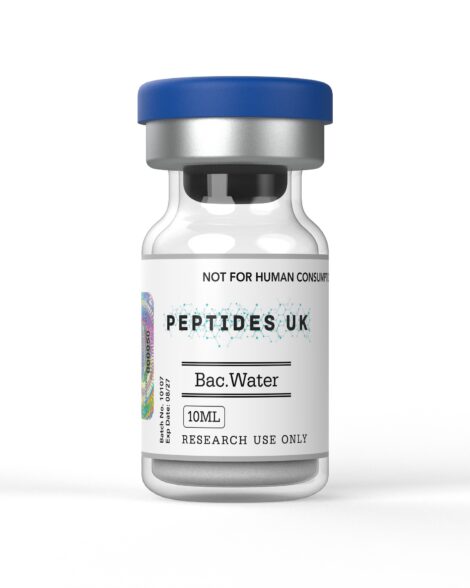
Reconstitute with sterile water or PBS by adding solvent slowly down the vial wall and swirling gently — do not vortex. Triptorelin is a decapeptide with good aqueous solubility that dissolves readily in physiological buffers at neutral pH without organic co-solvents. Prepare working stock solutions at the required concentration, aliquot into single-use volumes to avoid repeated freeze-thaw cycles, and store at -80°C. For cell-based GnRH-R pharmacology experiments — gonadotroph cell lines (LβT2, αT3-1), GnRH-R transfected cell systems — dilute to working concentration in serum-free or low-serum medium immediately before use to avoid interference from serum sex hormone-binding globulin. For in vivo rodent HPG axis studies, prepare fresh solution in sterile saline on the day of administration.
How Quickly is Triptorelin Delivered to Europe?
Delivery to EU and European destinations typically takes 3–7 working days via tracked international courier with packaging maintaining peptide stability throughout transit.
| Parameter | Detail |
|---|---|
| Peptide | Triptorelin (D-Trp⁶-GnRH; [D-Trp⁶]-LHRH) |
| Sequence | pGlu-His-Trp-Ser-Tyr-D-Trp-Leu-Arg-Pro-Gly-NH₂ |
| Length | 10 amino acids (decapeptide) |
| Key Substitution | D-Trp⁶ — replaces native L-Gly⁶; endopeptidase resistance + enhanced GnRH-R binding |
| Receptor | GnRH-R (GnRH Receptor / LHRH-R) — high-affinity full agonist (~100× native GnRH) |
| Signalling | Gq/11 → PLC → IP₃/Ca²⁺ + DAG/PKC → CaM kinase II → gonadotropin exocytosis |
| Plasma Half-life | ~7–8 hours (vs <4 min native GnRH) |
| Acute Effect | Gonadotropin flare — LH/FSH surge → transient sex steroid elevation |
| Sustained Effect | GnRH-R desensitisation/downregulation → gonadotropin suppression → castrate sex steroid levels |
| Extrapituitary Activity | Direct GnRH-R agonism in cancer cells — EGFR/ERK antiproliferative signalling |
| Primary Research Interest | GnRH-R pharmacology, HPG axis regulation, GnRH-R desensitisation, gonadotropin biology, androgen deprivation models, prostate cancer biology, reproductive endocrinology |
| Purity | ≥99% |
| Verification | HPLC & Mass Spectrometry |
| Form | Sterile Lyophilised Powder |
| Solubility | Sterile water or PBS |
| Storage | -20°C, protected from light and moisture |
| Intended Use | Research use only |
Triptorelin is supplied exclusively for legitimate scientific research conducted within licensed laboratory environments. This product is not approved for human consumption, self-administration, or any therapeutic, clinical, or veterinary application. It must be handled solely by qualified researchers in compliance with applicable EU regulations, national legislation, and institutional ethics guidelines. By purchasing, you confirm this compound will be used exclusively for approved in vitro or pre-clinical research purposes.

WhatsApp us
Receive News
